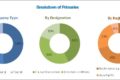
The global cell counting market is witnessing remarkable growth as life sciences research, precision medicine, and cell-based therapies continue to expand worldwide. The market is projected to grow from USD 11.12 billion in 2024 to USD 16.14 billion by 2029, registering a strong CAGR of 7.7% during the forecast period. Increasing adoption of technologically advanced instruments, rising investments in biomedical research, and the growing shift toward automated laboratory workflows are major factors accelerating market expansion.
Download PDF Brochure: https://www.marketsandmarkets.com/pdfdownloadNew.asp?id=157450728
Cell counting technologies play a critical role in modern healthcare, biotechnology, pharmaceutical manufacturing, and academic research. From cancer diagnostics and stem cell studies to biologics production and regenerative medicine, accurate cell analysis is essential for ensuring reliable results, maintaining quality control, and supporting high-throughput workflows. As laboratories continue transitioning from manual counting techniques to automated and AI-powered systems, the demand for innovative cell counting solutions is expected to rise significantly over the coming years.
One of the major factors driving the cell counting market is the increasing preference for automated and image-based cell counting systems. Traditional manual hemocytometer-based methods are gradually being replaced by advanced technologies that offer greater accuracy, faster processing, improved reproducibility, and reduced human error. Automated systems have become particularly important in applications requiring large-scale cell analysis, including cell therapy manufacturing, biologics development, and clinical diagnostics.
Technological advancements are reshaping the global cell counting market. The integration of artificial intelligence, fluorescence-based viability detection, cloud-based connectivity, and digital laboratory platforms has transformed how researchers analyze cells. Modern cell counting systems now offer automated workflow integration, enabling laboratories to streamline processes while improving operational efficiency.
AI-powered analytics are particularly enhancing cell analysis capabilities by enabling faster interpretation of results, automated pattern recognition, and improved data accuracy. These innovations help researchers and clinicians make quicker decisions, especially in critical applications such as immunology, oncology, and regenerative medicine. Furthermore, fluorescence-based technologies allow highly accurate viability assessment and differentiation between live and dead cells, making them valuable tools in advanced biomedical research.
Request Sample Report: https://www.marketsandmarkets.com/requestsampleNew.asp?id=157450728
The growing adoption of automated cell counters is also helping laboratories reduce labor dependency and minimize workflow bottlenecks. As pharmaceutical and biotechnology companies continue investing heavily in high-throughput research environments, the demand for scalable and reliable cell counting solutions is expected to increase substantially.
Another major growth opportunity for the cell counting market lies in the rapid advancement of stem cell research and regenerative medicine. Stem cells require precise monitoring of cell density, viability, differentiation, and cryopreservation processes, making accurate cell counting systems indispensable. As induced pluripotent stem cell (iPSC) research and cell therapy programs expand globally, laboratories are increasingly adopting automated and fluorescence-based cell counting technologies to ensure reproducibility, quality assurance, and compliance with regulatory standards.
The rise of regenerative medicine has also intensified demand for high-performance laboratory instruments capable of supporting advanced cell culture and therapeutic applications. Researchers involved in tissue engineering, stem cell therapeutics, and gene-editing studies rely heavily on automated cell analysis systems to improve consistency and reduce experimental variability.
Based on product type, the global cell counting market is segmented into consumables and instruments. Among these, the consumables segment dominated the market in 2023 due to the continuous demand for assay kits, reagents, media, sera, microplates, and accessories used in routine laboratory workflows. Consumables remain essential for conducting accurate and repeatable cell analysis across research, diagnostics, and manufacturing environments.
Within the consumables category, assay kits account for a significant market share because they provide ready-to-use solutions for analyzing cell viability, proliferation, apoptosis, and cytotoxicity. These kits offer convenience, efficiency, and standardized testing protocols, making them highly attractive for laboratories seeking improved workflow consistency and reliable outcomes.
The instruments segment also continues to experience substantial growth, supported by advancements in spectrophotometers, flow cytometers, hematology analyzers, microscopes, and automated cell counters. Modern cell counters are further categorized by mode into automated and manual systems, while technology-based segmentation includes fluorescence-based, image-based, brightfield, and other advanced counting techniques.
Among applications, research applications accounted for the largest share of the global cell counting market. This segment includes cancer research, immunology research, neurology research, stem cell research, and other life science applications. Cancer research emerged as the dominant sub-segment due to increasing investments in immuno-oncology and personalized medicine.
The growing focus on targeted therapies and immune-based cancer treatments has significantly increased demand for advanced cell counting technologies capable of analyzing cell proliferation, apoptosis, and immune cell profiling. Researchers require accurate and reproducible cell analysis tools to better understand tumor biology, evaluate drug responses, and optimize therapeutic strategies.
Medical applications also represent a rapidly expanding segment within the cell counting market. These include hematology and complete blood count testing, non-invasive prenatal diagnostics, circulating tumor cell detection, and in vitro fertilization procedures. Rising prevalence of chronic diseases, cancer, and infectious diseases is increasing the demand for precise clinical diagnostics, thereby driving the adoption of advanced cell counting systems in hospitals and diagnostic laboratories.
By end user, academic and research institutes dominated the market in 2023 and are expected to maintain strong growth throughout the forecast period. The increasing number of life sciences research projects, coupled with growing government support for biomedical innovation, continues to fuel demand for sophisticated cell analysis technologies within research institutions worldwide.
At the same time, hospitals and diagnostic laboratories are experiencing rapid adoption of cell counting systems due to increasing demand for clinical diagnostics and disease monitoring. Pharmaceutical and biotechnology companies, as well as CROs and CDMOs, are also major contributors to market growth as they continue expanding drug discovery, biologics manufacturing, and cell therapy development programs.
Geographically, North America dominated the global cell counting market due to its advanced healthcare infrastructure, strong biotechnology ecosystem, and significant investments in pharmaceutical research and development. The United States remains the largest contributor within the region, driven by rapid adoption of innovative laboratory technologies, robust government funding, and increasing emphasis on precision medicine.
Europe also holds a significant market share, supported by expanding biomedical research initiatives, growing pharmaceutical manufacturing capabilities, and strong regulatory frameworks. Meanwhile, the Asia Pacific region is expected to witness the fastest growth during the forecast period. Countries such as China, India, and Japan are investing heavily in biotechnology research, healthcare infrastructure, and clinical diagnostics, creating substantial opportunities for market players.
The rising prevalence of chronic diseases, growing research capabilities, and increasing healthcare expenditure across emerging economies are further accelerating demand for advanced cell counting technologies throughout Asia Pacific.
Enquiry Before Buying: https://www.marketsandmarkets.com/Enquiry_Before_BuyingNew.asp?id=157450728
Leading companies operating in the global cell counting market include Danaher Corporation, Thermo Fisher Scientific Inc., Becton, Dickinson and Company, Merck KGaA, and Bio-Rad Laboratories, Inc., among others. These companies continue focusing on technological innovation, strategic partnerships, product launches, and research collaborations to strengthen their market presence and expand their global customer base. As automation, artificial intelligence, and precision medicine continue transforming modern healthcare and life sciences research, the global cell counting market is expected to witness sustained growth. Increasing investments in stem cell research, cancer therapeutics, biologics manufacturing, and clinical diagnostics will continue driving demand for advanced cell counting technologies, positioning the market for strong long-term expansion through 2029.