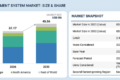
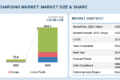
The global automotive interior market is undergoing a significant transformation as automakers shift toward software-defined vehicles, connected mobility solutions, and experience-centric cabin designs. Modern vehicle buyers increasingly prioritize comfort, connectivity, personalization, and digital experiences, prompting OEMs to invest heavily in advanced interior technologies. As a result, automotive interiors are evolving from traditional cabin environments into intelligent, connected living spaces that enhance both driver and passenger experiences. The market is projected to grow from USD 186.80 billion in 2026 to USD 217.11 billion by 2033.
Automotive Interior Industry Overview
The automotive interior market encompasses a broad range of components, including seats, headliners, door panels, center consoles, center stacks, dome modules, and advanced display technologies. Increasing demand for connected cabins, AI-enabled interfaces, smart surfaces, immersive infotainment systems, and personalized vehicle experiences is reshaping the industry landscape.
Automotive manufacturers are increasingly leveraging digital technologies to differentiate their vehicles and create new revenue opportunities through software-enabled features and over-the-air updates. The integration of intelligent cockpit systems, premium materials, and advanced human-machine interfaces is becoming a key factor influencing vehicle purchasing decisions.
Smart Cockpit Technologies Driving Automotive Interior Market Growth
Smart cockpit technologies have emerged as one of the most important growth drivers within the automotive interior market. Automakers are increasingly deploying large touchscreen displays, voice assistants, connected infotainment platforms, biometric authentication systems, and AI-powered interfaces to improve user engagement.
The evolution of software-defined vehicles is accelerating demand for advanced cockpit architectures capable of supporting personalized experiences, real-time connectivity, and seamless digital integration. Consumers increasingly expect vehicle interiors to deliver functionality similar to smartphones and connected devices, creating substantial growth opportunities for automotive interior suppliers.
The growing adoption of digital cockpit technologies is expected to significantly contribute to automotive interior market growth throughout the forecast period.
Head-Up Displays (HUDs) Emerging as the Fastest-Growing Interior Component
Head-Up Displays are expected to be the fastest-growing component segment within the automotive interior market. Modern HUD systems project critical driving information directly into the driver’s field of vision, improving safety and reducing driver distraction.
The latest generation of augmented reality HUDs can display navigation instructions, lane guidance, ADAS alerts, hazard warnings, and vehicle status information in real time. As advanced driver assistance systems and autonomous driving technologies become more prevalent, HUDs are emerging as a critical interface between the vehicle and driver.
Growing investments in augmented reality technologies, digital cockpits, and intelligent mobility solutions are expected to accelerate HUD adoption across both premium and mainstream vehicle segments.
Download PDF Brochure @ https://www.marketsandmarkets.com/pdfdownloadNew.asp?id=10199544
Electric Vehicles Transforming Automotive Interior Design
Electric vehicles are fundamentally reshaping automotive interior architectures. Unlike traditional internal combustion engine vehicles, battery electric vehicles offer greater design flexibility due to dedicated EV platforms and flat-floor vehicle structures.
Manufacturers are utilizing this flexibility to create spacious cabins, minimalist dashboards, lounge-style seating arrangements, larger infotainment displays, and digitally integrated interior environments. Electric vehicle buyers also tend to place greater emphasis on advanced technology features, premium cabin experiences, and connectivity solutions.
As EV adoption continues to increase globally, demand for innovative automotive interior components and next-generation cabin technologies is expected to rise significantly.
PVC and Thermoplastics Supporting Lightweight Interior Innovation
PVC and thermoplastics are expected to be among the fastest-growing material categories within the automotive interior market. Automakers increasingly prefer these materials due to their lightweight properties, cost efficiency, durability, and design flexibility.
The use of advanced thermoplastics helps manufacturers reduce vehicle weight, improve fuel efficiency, and support sustainability objectives while maintaining high-quality interior aesthetics. These materials are widely utilized in dashboards, center consoles, door panels, trim components, and seating applications.
As OEMs continue focusing on lightweight vehicle development and scalable production strategies, adoption of thermoplastics is expected to increase across passenger vehicle segments worldwide.
AI-Powered Connected Cabins Enhancing User Experience
Artificial intelligence is becoming increasingly integrated into automotive interiors through intelligent voice assistants, predictive personalization systems, driver monitoring technologies, and adaptive user interfaces. AI-powered connected cabins are helping automakers create highly customized experiences that respond to individual driver preferences and behaviors.
Advanced cabin technologies can automatically adjust seating positions, climate settings, infotainment preferences, navigation recommendations, and ambient lighting conditions. These capabilities enhance comfort, convenience, and overall vehicle usability while strengthening customer loyalty.
The growing convergence of artificial intelligence, connectivity, and vehicle software platforms is expected to redefine the future of automotive interiors.
Asia Pacific Leading Automotive Interior Market Share
Asia Pacific is expected to remain the largest automotive interior market due to its strong vehicle production base, rapidly growing EV manufacturing sector, and increasing demand for connected vehicle technologies. China, Japan, India, and South Korea continue to invest heavily in automotive innovation, advanced manufacturing, and intelligent mobility solutions.
The region’s expanding middle-class population, rising vehicle ownership rates, and growing demand for premium vehicle features are creating significant opportunities for automotive interior suppliers. Additionally, increasing investments in electric vehicles and software-defined vehicle platforms are accelerating adoption of advanced interior technologies across the region.
Future Outlook for the Automotive Interior Market
The future of the automotive interior market will be shaped by digital cockpit technologies, augmented reality displays, AI-powered cabin systems, connected mobility solutions, and next-generation EV architectures. Vehicle interiors are increasingly becoming central to brand differentiation strategies as automakers compete to deliver superior user experiences.
Growing investments in smart cabins, immersive infotainment systems, software-defined vehicles, and personalized mobility experiences will continue creating substantial opportunities for automotive interior manufacturers and technology providers. As a result, the automotive interior market is expected to experience sustained innovation and long-term growth through 2033.
Request Free Sample Report @ https://www.marketsandmarkets.com/requestsampleNew.asp?id=10199544