The Smart House Equipment Market is expanding rapidly as artificial intelligence (AI), Internet of Things (IoT), wireless connectivity, cloud computing, and home automation transform conventional residential environments into connected digital ecosystems. Smart house equipment is no longer limited to individual connected appliances or smart speakers. Modern residential environments increasingly integrate intelligent lighting, security and access control, HVAC systems, home appliances, entertainment equipment, healthcare devices, smart kitchen products, energy-management systems, and connected control interfaces.
According to MarketsandMarkets, the global Smart Home Market is projected to increase from USD 230.76 billion in 2026 to USD 450.20 billion by 2032, registering a CAGR of 11.8% from 2026 to 2032. The growth is supported by increasing internet penetration, proliferation of connected devices, rising disposable income in emerging economies, demand for remote home monitoring and control, and growing consumer emphasis on convenience, safety, security, and energy efficiency.
Within this broader ecosystem, smart house equipment is becoming an important technology category for digital living. Consumers increasingly expect household equipment to communicate with one another, respond to commands, learn usage patterns, and automatically optimize performance. AI-powered devices are accelerating this transition by enabling more personalized automation and intelligent decision-making.
Smart House Equipment Market Growth Drivers
Rising Adoption of Connected Residential Equipment
One of the strongest factors supporting the Smart House Equipment Market is the growing adoption of connected residential devices. Improvements in wireless communication, smartphone penetration, broadband connectivity, and IoT infrastructure have made it easier for consumers to connect household equipment.
Smart lighting, thermostats, refrigerators, washing machines, ovens, security cameras, locks, televisions, speakers, and energy-monitoring devices can increasingly be controlled through smartphones, tablets, voice assistants, and centralized home platforms.
The proliferation of connected devices is creating a shift from isolated equipment toward integrated residential ecosystems. Instead of operating individual appliances independently, homeowners can establish automated routines involving several devices simultaneously. For example, a smart home system can turn off lights, adjust HVAC settings, lock doors, and activate security monitoring when residents leave the house.
Growing Demand for Convenience and Automation
Convenience remains a fundamental driver of the Smart House Equipment Market. Consumers are increasingly looking for equipment that can reduce repetitive tasks and simplify household management.
AI and automation allow equipment to respond automatically to changing household conditions. Smart thermostats can adjust temperatures based on occupancy, while intelligent lighting systems can respond to schedules or ambient conditions. Connected appliances can provide notifications about operating status, maintenance requirements, or energy consumption.
Voice-enabled interfaces are also making smart equipment easier to operate. Natural-language commands can control multiple devices without requiring users to interact separately with each application.
Increasing Focus on Energy Efficiency
Energy efficiency is becoming increasingly important for households, building developers, and technology manufacturers. Smart house equipment can help monitor and optimize energy consumption by providing real-time information and automated controls.
Smart HVAC systems, lighting controls, energy monitors, connected appliances, and smart plugs can identify consumption patterns and reduce unnecessary energy use. Integration with renewable energy systems and residential battery storage can further improve energy management.
MarketsandMarkets identifies increasing demand for energy-efficient and low-carbon smart home solutions as an important factor supporting market expansion.
Download PDF Brochure @ https://www.marketsandmarkets.com/pdfdownloadNew.asp?id=121
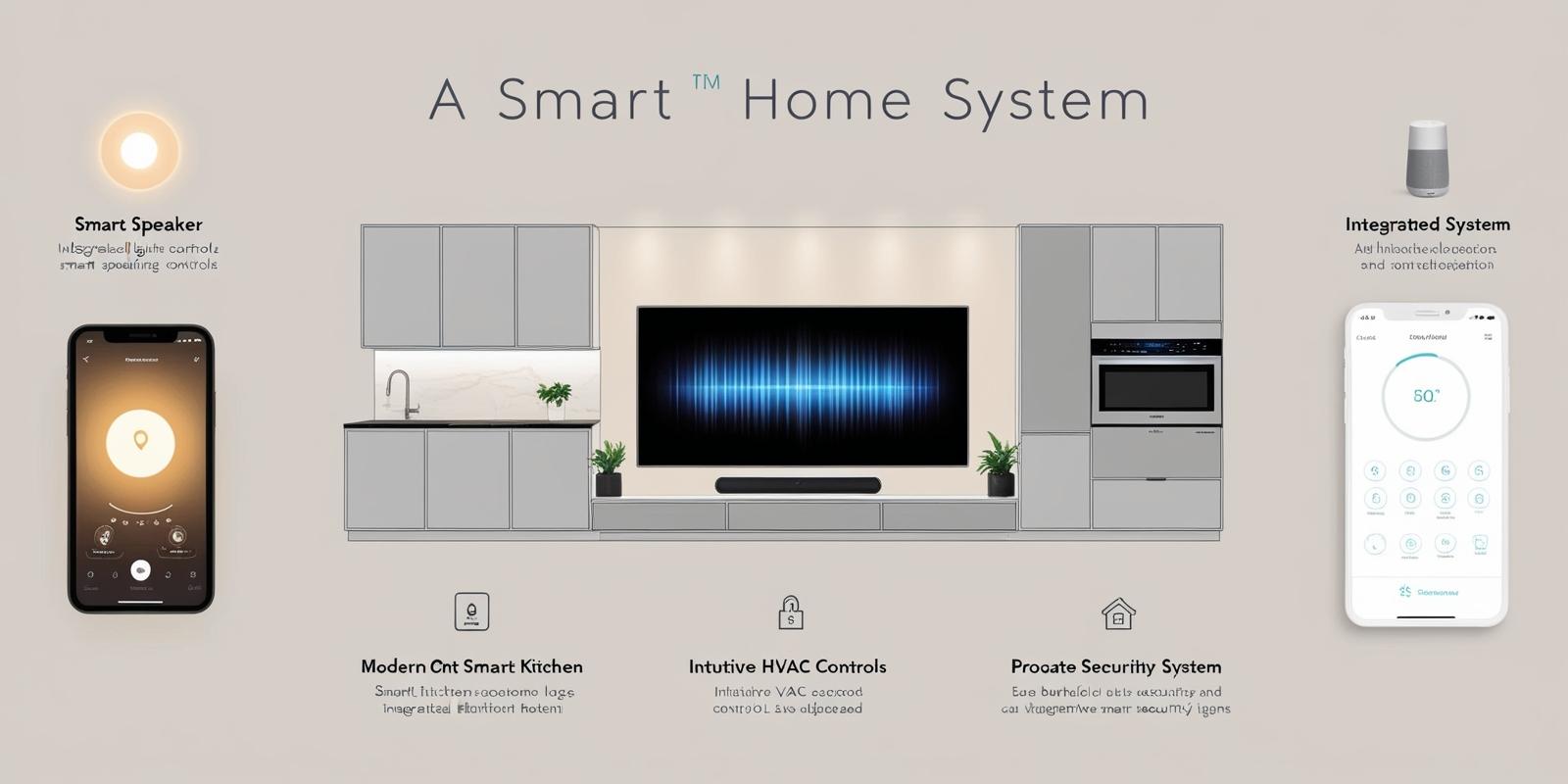
AI Transforming the Smart House Equipment Market
Artificial intelligence is changing how smart equipment interacts with users. Traditional connected devices generally followed predefined commands, while AI-powered equipment can analyze data, recognize patterns, and adapt to household behavior.
For example, AI-enabled HVAC equipment can analyze temperature, occupancy, and usage patterns to optimize climate control. AI-powered security equipment can analyze camera feeds and distinguish between people, vehicles, animals, and other movements.
AI can also improve predictive maintenance. Connected appliances can monitor operating conditions and identify unusual patterns that may indicate potential equipment problems. Users can receive maintenance alerts before a failure occurs, potentially reducing downtime and repair costs.
The integration of generative AI and conversational interfaces could further expand the capabilities of smart house equipment by allowing consumers to interact with home systems using natural language rather than predefined commands.
IoT and Wireless Connectivity Driving Digital Living
IoT connectivity is at the core of the Smart House Equipment Market. Sensors embedded in equipment collect information related to temperature, movement, energy consumption, occupancy, environmental conditions, and equipment performance.
Wireless technologies make it easier to install and connect smart equipment, particularly in existing residential properties. MarketsandMarkets estimates that wireless technologies accounted for approximately 64% of the Smart Home Market in 2025, demonstrating the importance of wireless connectivity in residential automation.
Wireless deployment is particularly beneficial for retrofit applications because homeowners can add smart equipment without making extensive structural modifications. Smart switches, plugs, cameras, thermostats, locks, and lighting products can be added to existing properties with relatively limited installation requirements.
Smart House Equipment Market by Product Category
The Smart House Equipment Market encompasses a broad range of residential technologies. These include smart lighting, security and access control, HVAC equipment, entertainment and comfort systems, home healthcare equipment, smart kitchen equipment, home appliances, smart furniture, and smart speakers.
Smart Lighting Equipment
Smart lighting equipment includes connected bulbs, switches, dimmers, sensors, and lighting-control systems. These products allow users to remotely manage lighting intensity, schedules, scenes, and energy consumption.
AI and sensor technologies can make lighting more adaptive. Lights can automatically respond to occupancy, time of day, ambient light, or user preferences.
Smart Security Equipment
Security is one of the most important applications within connected residential technology. Smart cameras, video doorbells, digital locks, motion sensors, alarm systems, and access-control equipment provide homeowners with remote monitoring and control.
AI-based computer vision is enhancing smart security by enabling more intelligent event detection. Connected security equipment can generate alerts when unusual activity is detected and provide homeowners with real-time access to video feeds.
Smart HVAC Equipment
Smart HVAC is emerging as one of the fastest-growing product categories. MarketsandMarkets expects smart home HVAC to register approximately 20% CAGR during the forecast period.
Smart thermostats, connected air conditioners, heat pumps, ventilation systems, and environmental sensors can automatically adjust indoor conditions according to occupancy and user preferences.
The combination of AI, sensors, and energy analytics is expected to make HVAC systems increasingly intelligent and efficient.
Smart Kitchen and Home Appliances
Connected refrigerators, ovens, washing machines, dishwashers, coffee makers, and other appliances are expanding the role of smart technology in everyday household activities.
Smart appliances can provide remote notifications, energy monitoring, maintenance alerts, automated settings, and integration with broader home platforms. Manufacturers are increasingly embedding connectivity and AI capabilities into appliances to differentiate products and improve user experience.
Retrofit Installations Creating New Opportunities
Retrofit installation is an important growth opportunity for the Smart House Equipment Market because a large proportion of residential properties already have conventional equipment and infrastructure.
MarketsandMarkets expects retrofit installations to grow faster than new installations between 2026 and 2032. Wireless connectivity, plug-and-play equipment, and app-based configuration are making it easier for homeowners to upgrade existing properties.
Retrofit opportunities extend across smart security, lighting, HVAC, appliances, energy management, and entertainment systems. This creates opportunities not only for equipment manufacturers but also for system integrators, installers, telecommunications companies, and technology service providers.
Smart House Equipment Market and Energy Management
Energy management is becoming a central component of digital residential infrastructure. Connected equipment can collect detailed information about energy consumption and provide homeowners with actionable insights.
Smart meters, connected thermostats, intelligent lighting, energy-monitoring devices, solar systems, battery storage, and electric vehicle chargers can increasingly operate as part of an integrated energy ecosystem.
AI can analyze energy usage and identify opportunities for optimization. For example, equipment can automatically adjust operating schedules based on household demand, energy prices, weather conditions, or available renewable generation.
As governments and consumers focus more strongly on energy efficiency and carbon reduction, energy-aware smart house equipment is expected to gain greater adoption.
Regional Outlook for the Smart House Equipment Market
Asia Pacific represents a significant growth opportunity for connected residential equipment. MarketsandMarkets identifies Asia Pacific as the second-largest regional market in 2025, supported by urbanization, expanding middle-class populations, rising smartphone and internet penetration, demand for energy-efficient homes, and growing interest in security and connected lifestyles.
China, Japan, South Korea, and India are important markets because of their expanding digital infrastructure, technology ecosystems, and residential construction activity. Increasing adoption of connected consumer electronics and smart appliances is supporting the broader regional ecosystem.
North America continues to benefit from established smart home infrastructure, strong consumer awareness, widespread broadband connectivity, and adoption of home security and automation solutions. Europe is also witnessing demand for energy-efficient residential equipment, smart building technologies, and low-carbon solutions.
Smart House Equipment Market Trends
Several trends are expected to influence the market over the coming years. First, smart equipment is becoming increasingly integrated rather than operating as standalone products. Consumers are seeking platforms that can connect multiple categories of equipment.
Second, AI is making automation more personalized. Smart equipment can increasingly learn household routines and adjust operations accordingly.
Third, energy management is becoming a major application area. Smart HVAC, lighting, appliances, energy monitors, and connected renewable-energy systems are increasingly integrated into residential ecosystems.
Fourth, retrofit adoption is expanding. Wireless equipment and simpler installation are reducing barriers for homeowners upgrading existing properties.
Finally, cybersecurity and interoperability are becoming increasingly important. As more devices become connected, consumers and manufacturers need secure communication, software updates, privacy protection, and compatibility across different ecosystems.
Challenges in the Smart House Equipment Market
Despite strong growth prospects, the Smart House Equipment Market faces several challenges. High initial costs can discourage price-sensitive consumers, particularly when multiple devices are required to establish a comprehensive smart home ecosystem.
Interoperability is another important issue. Equipment from different manufacturers may operate on different platforms or communication protocols, creating difficulties when consumers attempt to connect devices.
Cybersecurity and data privacy are also critical concerns. Cameras, locks, appliances, sensors, and voice-enabled equipment can generate sensitive information. Manufacturers therefore need to incorporate strong security mechanisms into both hardware and software.
Reliable internet connectivity is another requirement for many connected systems. MarketsandMarkets identifies data-security risks and dependence on stable connectivity among restraints affecting smart home adoption.
Competitive Landscape
The Smart House Equipment Market includes companies from consumer electronics, industrial automation, security, HVAC, appliances, energy management, and digital technology. MarketsandMarkets identifies companies such as Schneider Electric, Siemens, Amazon, Honeywell International, ASSA ABLOY, Johnson Controls, Robert Bosch, ADT, Daikin Industries, and ABB among major participants in the broader Smart Home Market.
Competition is increasingly focused on ecosystem integration rather than individual equipment. Companies are investing in AI, IoT, cloud platforms, wireless connectivity, cybersecurity, energy management, voice control, and interoperability.
The competitive landscape is also expanding beyond traditional equipment manufacturers. Technology platforms, telecommunications companies, security providers, energy companies, and real estate developers are increasingly participating in connected-home ecosystems.
Future Outlook
The future of the Smart House Equipment Market will be shaped by the convergence of AI, IoT, automation, wireless connectivity, energy management, and intelligent security. Smart equipment is expected to become more adaptive, autonomous, and interconnected.
Rather than simply allowing remote control, next-generation equipment will increasingly sense environmental conditions, interpret data, predict user requirements, and automate decisions. This evolution will transform residential properties into intelligent digital environments.
The broader Smart Home Market is projected to reach USD 450.20 billion by 2032, up from USD 230.76 billion in 2026, reflecting the scale of the opportunity for equipment manufacturers and technology providers.
As AI-powered devices become more accessible and connected technologies become easier to install, smart house equipment is expected to move further into mainstream residential applications. The combination of convenience, security, energy efficiency, and personalized automation will remain central to market development.
Conclusion
The Smart House Equipment Market is transitioning from standalone connected products toward integrated and intelligent residential ecosystems. AI-powered appliances, smart security equipment, connected HVAC systems, intelligent lighting, energy-management technologies, and IoT-enabled devices are changing how households interact with residential infrastructure.
Increasing internet penetration, wireless connectivity, energy-efficiency requirements, consumer demand for convenience, and advances in AI are creating new opportunities across the value chain. Retrofit installations are further expanding the addressable market by allowing existing properties to adopt smart technologies without major structural changes.
While high upfront costs, cybersecurity, interoperability, and connectivity remain challenges, continued innovation is expected to improve the usability, affordability, and intelligence of smart house equipment. The next generation of residential equipment will increasingly focus on autonomous operation, predictive capabilities, energy optimization, and seamless integration.
As digital living becomes an increasingly important part of modern lifestyles, the Smart House Equipment Market will remain closely linked to the broader evolution of connected homes, AI-powered automation, smart security, and sustainable residential infrastructure.
Frequently Asked Questions
1. What is driving the Smart House Equipment Market?
The major factors driving the Smart House Equipment Market include increasing internet penetration, growing adoption of IoT devices, rising demand for home automation, smart security requirements, energy-efficiency needs, wireless connectivity, and consumer demand for convenience and remote monitoring.
2. How is AI transforming smart house equipment?
AI enables connected equipment to analyze data, learn user behavior, automate routine operations, optimize energy consumption, identify unusual activity, and support predictive maintenance. AI is helping smart equipment move from simple remote-control functionality toward adaptive and intelligent operation.
3. Which smart house equipment segment is growing rapidly?
Smart HVAC is expected to be among the fastest-growing product categories in the broader Smart Home Market, with MarketsandMarkets projecting approximately 20% CAGR during the forecast period. Demand is being driven by energy efficiency, automated climate control, and connected home management.
4. Why are retrofit installations important for smart house equipment?
Retrofit installations allow homeowners to add smart lighting, security, HVAC, appliances, and energy-management equipment to existing properties without major structural modifications. Wireless connectivity and plug-and-play solutions are making retrofit adoption easier.
5. What are the major challenges in the Smart House Equipment Market?
Major challenges include high upfront costs, cybersecurity and privacy concerns, interoperability between different manufacturers’ devices, dependence on reliable connectivity, and the complexity of managing multiple connected products.
About MarketsandMarkets™
MarketsandMarkets™ has been recognized as one of America’s Best Management Consulting Firms by Forbes, as per their recent report.
MarketsandMarkets™ is a blue ocean alternative in growth consulting and program management, leveraging a man-machine offering to drive supernormal growth for progressive organizations in the B2B space. With the widest lens on emerging technologies, we are proficient in co-creating supernormal growth for clients across the globe.
Today, 80% of Fortune 2000 companies rely on MarketsandMarkets, and 90 of the top 100 companies in each sector trust us to accelerate their revenue growth. With a global clientele of over 13,000 organizations, we help businesses thrive in a disruptive ecosystem.
The B2B economy is witnessing the emergence of $25 trillion in new revenue streams that are replacing existing ones within this decade. We work with clients on growth programs, helping them monetize this $25 trillion opportunity through our service lines – TAM Expansion, Go-to-Market (GTM) Strategy to Execution, Market Share Gain, Account Enablement, and Thought Leadership Marketing.
Built on the ‘GIVE Growth’ principle, we collaborate with several Forbes Global 2000 B2B companies to keep them future-ready. Our insights and strategies are powered by industry experts, cutting-edge AI, and our Market Intelligence Cloud, KnowledgeStore™, which integrates research and provides ecosystem-wide visibility into revenue shifts.
To find out more, visit www.MarketsandMarkets™.com or follow us on Twitter , LinkedIn and Facebook .
Contact:
Mr. Rohan Salgarkar
MarketsandMarkets™ INC.
1615 South Congress Ave.
Suite 103, Delray Beach, FL 33445
USA: +1-888-600-6441
