The process automation and instrumentation industry has long been a cornerstone of industrial efficiency, enabling precise control and monitoring of complex systems across sectors like manufacturing, oil and gas, pharmaceuticals, and energy. With the advent of artificial intelligence (AI), this industry is undergoing a seismic shift. The AI impact on Process Automation and Instrumentation Industry is redefining how systems are designed, operated, and maintained, ushering in an era of unprecedented efficiency and innovation. By leveraging machine learning, predictive analytics, and advanced data processing, AI is transforming traditional processes into smarter, more adaptive systems. This article delves into the profound AI impact on Process Automation and Instrumentation Industry, exploring its applications, benefits, challenges, and future potential.
The process automation and instrumentation industry has long been a cornerstone of industrial efficiency, enabling precise control and monitoring of complex systems across sectors like manufacturing, oil and gas, pharmaceuticals, and energy. With the advent of artificial intelligence (AI), this industry is undergoing a seismic shift. The AI impact on Process Automation and Instrumentation Industry is redefining how systems are designed, operated, and maintained, ushering in an era of unprecedented efficiency and innovation. By leveraging machine learning, predictive analytics, and advanced data processing, AI is transforming traditional processes into smarter, more adaptive systems. This article delves into the profound AI impact on Process Automation and Instrumentation Industry, exploring its applications, benefits, challenges, and future potential.
The global process automation and instrumentation market size is expected to grow from USD 74.2 billion in 2024 to USD 98.6 billion by 2029, at a growing CAGR of 5.9% during the forecast period from 2024 to 2029.
Understanding the Fundamentals of Process Automation and Instrumentation
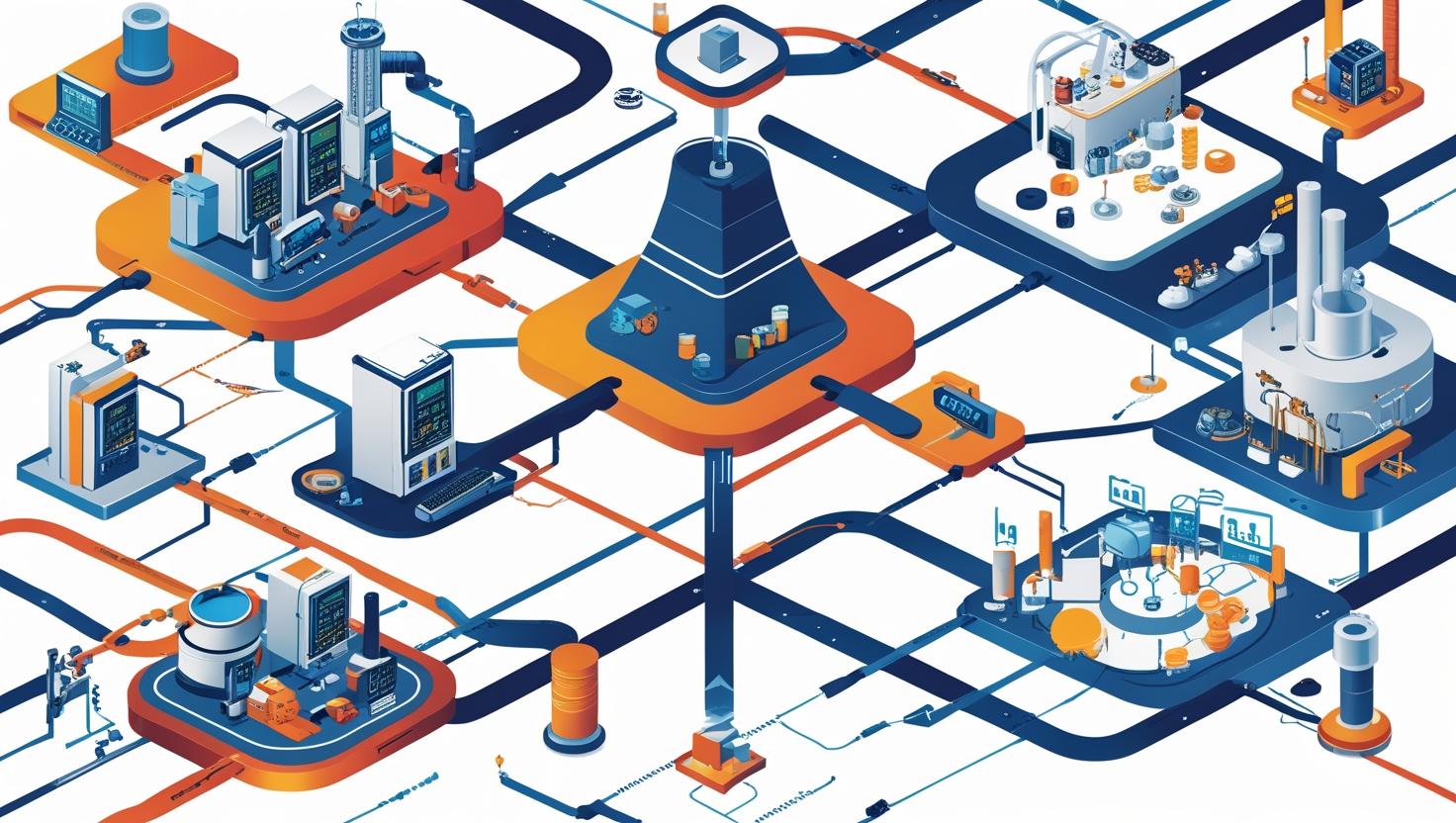
Process automation involves the use of technology to automate repetitive tasks, streamline operations, and enhance productivity in industrial settings. Instrumentation, on the other hand, focuses on the tools and devices used to measure, monitor, and control variables such as temperature, pressure, and flow. Together, these disciplines ensure that industrial processes run smoothly and efficiently. The AI impact on Process Automation and Instrumentation Industry enhances these systems by introducing intelligent decision-making capabilities. AI-powered systems can analyze vast amounts of data in real-time, optimize workflows, and predict potential issues before they arise, making them indispensable in modern industrial environments.
The Role of Artificial Intelligence in Enhancing Process Automation
The integration of AI into process automation is revolutionizing how industries operate. By incorporating machine learning algorithms and neural networks, AI enables systems to learn from data patterns and make autonomous decisions. The AI impact on Process Automation and Instrumentation Industry is evident in its ability to optimize production lines, reduce downtime, and improve resource utilization. For instance, AI can analyze historical and real-time data to adjust machinery settings dynamically, ensuring optimal performance. This not only boosts efficiency but also reduces energy consumption and operational costs, making AI a game-changer for process automation.
AI-Powered Instrumentation: Redefining Precision and Control
Instrumentation relies on sensors, controllers, and other devices to monitor and regulate industrial processes. The AI impact on Process Automation and Instrumentation Industry has elevated these tools by embedding them with intelligent capabilities. AI-driven instrumentation systems can process complex data sets, detect anomalies, and provide actionable insights in real-time. For example, in the oil and gas sector, AI-enhanced sensors can monitor pipeline conditions and predict maintenance needs, preventing costly disruptions. This level of precision and foresight is transforming how industries maintain control over their operations, ensuring safety and reliability.
Predictive Maintenance: A Cornerstone of AI in Process Automation
One of the most significant aspects of the AI impact on Process Automation and Instrumentation Industry is predictive maintenance. Traditional maintenance schedules often rely on fixed intervals, which can lead to unnecessary downtime or unexpected failures. AI changes this by using predictive analytics to monitor equipment health and forecast potential issues. By analyzing data from sensors and historical records, AI can identify patterns that indicate wear and tear, allowing companies to schedule maintenance proactively. This reduces downtime, extends equipment lifespan, and saves costs, making predictive maintenance a critical application of AI in this industry.
Enhancing Operational Efficiency Through AI-Driven Insights
Operational efficiency is a key goal for any industry, and the AI impact on Process Automation and Instrumentation Industry is making it more achievable than ever. AI systems can analyze vast datasets from multiple sources, such as sensors, production logs, and environmental factors, to identify inefficiencies and suggest improvements. For instance, in manufacturing, AI can optimize supply chain logistics by predicting demand fluctuations and adjusting production schedules accordingly. These data-driven insights enable companies to streamline operations, reduce waste, and improve overall productivity, positioning AI as a vital tool for operational excellence.
AI and Real-Time Data Processing in Instrumentation Systems
Real-time data processing is a critical component of modern instrumentation systems, and the AI impact on Process Automation and Instrumentation Industry has significantly enhanced this capability. AI algorithms can process data from sensors and other devices instantaneously, enabling rapid decision-making. In industries like pharmaceuticals, where precision is paramount, AI ensures that variables such as temperature and pressure are maintained within strict tolerances. By providing real-time insights, AI helps industries respond to changes swiftly, maintaining quality and preventing costly errors.
The Role of Machine Learning in Optimizing Industrial Processes
Machine learning, a subset of AI, plays a pivotal role in the AI impact on Process Automation and Instrumentation Industry. By training algorithms on historical data, machine learning models can identify trends, optimize processes, and predict outcomes with high accuracy. For example, in chemical processing, machine learning can optimize reaction conditions to maximize yield while minimizing energy use. These models continuously improve as they process more data, making them increasingly effective over time. This adaptability is a key driver of the transformative AI impact on Process Automation and Instrumentation Industry.
AI in Quality Control and Assurance
Quality control is a critical aspect of industrial processes, and the AI impact on Process Automation and Instrumentation Industry has revolutionized this area. AI-powered systems can analyze products in real-time using computer vision and machine learning to detect defects or deviations from standards. In industries like food and beverage, AI ensures that products meet stringent quality requirements by identifying inconsistencies during production. This not only improves product quality but also reduces waste and enhances customer satisfaction, highlighting the far-reaching AI impact on Process Automation and Instrumentation Industry.
The Impact of AI on Safety and Risk Management
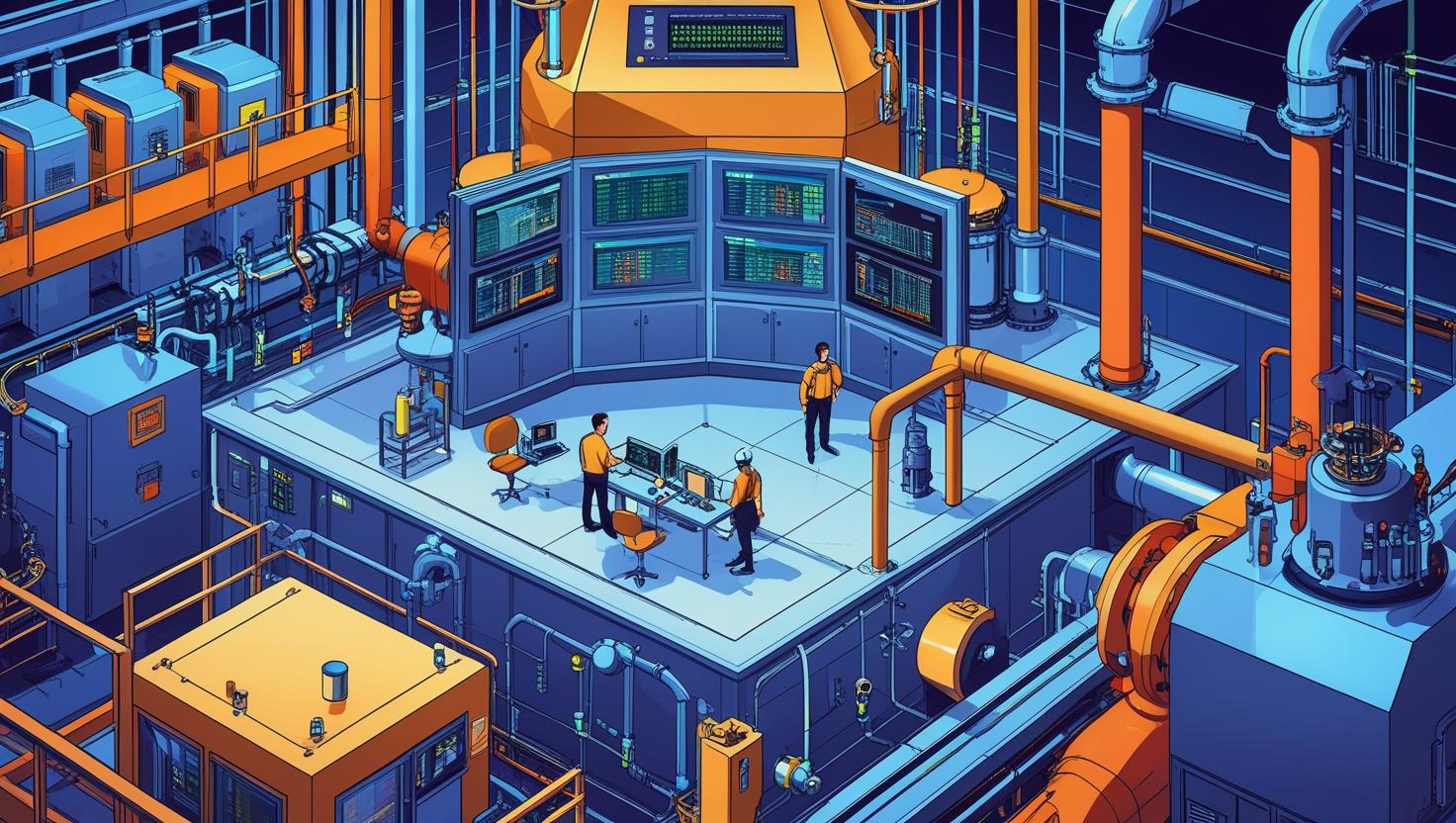
Safety is a top priority in industries reliant on process automation and instrumentation. The AI impact on Process Automation and Instrumentation Industry has significantly improved safety by enabling proactive risk management. AI systems can monitor environmental conditions, detect potential hazards, and alert operators in real-time. For example, in the energy sector, AI can predict equipment failures that could lead to dangerous situations, allowing for timely interventions. By enhancing safety protocols, AI reduces the risk of accidents and ensures compliance with regulatory standards.
AI-Driven Energy Efficiency in Industrial Operations
Energy efficiency is a growing concern for industries aiming to reduce costs and environmental impact. The AI impact on Process Automation and Instrumentation Industry is evident in its ability to optimize energy consumption. AI systems can analyze energy usage patterns and adjust processes to minimize waste. For instance, in HVAC systems, AI can dynamically adjust settings based on real-time environmental data, reducing energy consumption without compromising performance. This focus on sustainability makes AI a critical tool for environmentally conscious industries.
The Integration of AI with Industrial IoT (IIoT)
The Industrial Internet of Things (IIoT) has transformed how industries collect and utilize data, and the AI impact on Process Automation and Instrumentation Industry amplifies this transformation. By integrating AI with IIoT, industries can create interconnected systems that communicate seamlessly. AI analyzes data from IoT devices to optimize processes, predict maintenance needs, and enhance decision-making. This synergy between AI and IIoT is driving the development of smart factories, where every component works in harmony to maximize efficiency and productivity.
Challenges of Implementing AI in Process Automation and Instrumentation
While the AI impact on Process Automation and Instrumentation Industry is transformative, it comes with challenges. Implementing AI requires significant investment in infrastructure, including advanced sensors, computing power, and skilled personnel. Additionally, integrating AI with legacy systems can be complex, as older equipment may not be compatible with modern AI solutions. Data security is another concern, as AI relies on vast amounts of sensitive data, making cybersecurity a priority. Addressing these challenges is essential to fully realizing the AI impact on Process Automation and Instrumentation Industry.
Workforce Transformation and Skill Development
The AI impact on Process Automation and Instrumentation Industry is reshaping the workforce. As AI automates routine tasks, workers are increasingly required to develop new skills, such as data analysis and AI system management. This shift is creating opportunities for upskilling, as companies invest in training programs to prepare employees for AI-driven environments. While some fear job displacement, the AI impact on Process Automation and Instrumentation Industry is more about augmenting human capabilities, enabling workers to focus on strategic and creative tasks.
Download PDF Brochure @ https://www.marketsandmarkets.com/pdfdownloadNew.asp?id=1172
Case Studies: Real-World Applications of AI in the Industry
The AI impact on Process Automation and Instrumentation Industry is best illustrated through real-world applications. In the oil and gas sector, companies like Shell have implemented AI to monitor offshore platforms, using predictive analytics to reduce downtime and improve safety. In pharmaceuticals, Pfizer uses AI to optimize drug manufacturing processes, ensuring consistent quality and reducing costs. These case studies demonstrate how the AI impact on Process Automation and Instrumentation Industry is driving tangible results across diverse sectors.
The Future of AI in Process Automation and Instrumentation
The future of the AI impact on Process Automation and Instrumentation Industry is bright, with advancements in AI technologies promising even greater transformation. Emerging trends include the use of generative AI for process design, quantum computing for complex simulations, and autonomous systems for fully automated factories. As AI continues to evolve, its impact on Process Automation and Instrumentation Industry will deepen, enabling industries to achieve new levels of efficiency, sustainability, and innovation.
Ethical Considerations in AI-Driven Automation
As the AI impact on Process Automation and Instrumentation Industry grows, ethical considerations must be addressed. Issues such as data privacy, algorithmic bias, and transparency are critical to ensuring responsible AI use. Industries must establish guidelines to ensure that AI systems are fair, accountable, and aligned with societal values. By prioritizing ethics, the AI impact on Process Automation and Instrumentation Industry can be harnessed responsibly, fostering trust and long-term sustainability.
The Global Economic Impact of AI in Process Automation
The AI impact on Process Automation and Instrumentation Industry extends beyond individual companies to the global economy. By improving efficiency and reducing costs, AI is driving economic growth across industries.
Overcoming Resistance to AI Adoption
Despite its benefits, the AI impact on Process Automation and Instrumentation Industry faces resistance from stakeholders wary of change. Concerns about job losses, high costs, and complexity can hinder adoption. To overcome these barriers, companies must communicate the value of AI, emphasizing its role in enhancing human work rather than replacing it. Demonstrating successful case studies and providing training can build confidence in the AI impact on Process Automation and Instrumentation Industry, encouraging widespread adoption.
AI and Sustainability in Industrial Processes
Sustainability is a growing priority, and the AI impact on Process Automation and Instrumentation Industry is playing a key role in achieving it. AI optimizes resource use, reduces waste, and minimizes environmental impact. For example, in water treatment plants, AI can optimize filtration processes to reduce energy consumption and chemical use. By aligning with global sustainability goals, the AI impact on Process Automation and Instrumentation Industry is helping industries contribute to a greener future.
Collaboration Between AI and Human Expertise
The AI impact on Process Automation and Instrumentation Industry is not about replacing humans but enhancing their capabilities. Collaboration between AI and human expertise is essential for maximizing the benefits of AI. While AI handles data analysis and repetitive tasks, humans provide strategic oversight, creativity, and domain knowledge. This partnership ensures that the AI impact on Process Automation and Instrumentation Industry delivers both efficiency and innovation, creating a balanced approach to industrial transformation.
FAQs
What is the AI impact on Process Automation and Instrumentation Industry?
The AI impact on Process Automation and Instrumentation Industry involves the use of artificial intelligence to enhance efficiency, precision, and decision-making in industrial processes, including predictive maintenance, real-time data processing, and quality control.
How does AI improve predictive maintenance in process automation?
AI improves predictive maintenance by analyzing sensor data and historical records to predict equipment failures, reducing downtime and extending machinery lifespan.
What are the challenges of implementing AI in this industry?
Challenges include high implementation costs, integration with legacy systems, data security concerns, and the need for skilled personnel to manage AI systems.
How does AI contribute to sustainability in process automation?
AI contributes to sustainability by optimizing resource use, reducing energy consumption, and minimizing waste in industrial processes, aligning with environmental goals.
What is the future of AI in the Process Automation and Instrumentation Industry?
The future includes advancements like generative AI for process design, quantum computing for simulations, and autonomous systems for fully automated factories, driving further innovation.