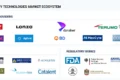
The global cell analysis market is experiencing strong and sustained growth, reflecting its critical role in modern biomedical research, drug development, and clinical diagnostics. Valued at US$18.6 billion in 2022, the market increased to US$20.2 billion in 2023 and is projected to grow at a robust CAGR of 10.9% from 2023 to 2028, reaching an estimated US$33.9 billion by the end of the forecast period.
This impressive expansion highlights the growing importance of cell-based technologies in understanding disease biology, accelerating therapeutic development, and enabling precision medicine.
Download PDF Brochure:
https://www.marketsandmarkets.com/pdfdownloadNew.asp?id=157543946
Understanding Cell Analysis
Cell analysis refers to a broad set of techniques and tools used to study cell structure, function, behavior, and interactions. These technologies enable researchers and clinicians to examine cellular processes such as:
- Cell proliferation and viability
- Apoptosis and necrosis
- Cell signaling pathways
- Gene and protein expression
- Cellular responses to drugs and environmental stimuli
Cell analysis plays a foundational role across life sciences research, biopharmaceutical manufacturing, clinical diagnostics, and regenerative medicine.
Market Growth Drivers
1. Rising Demand for Advanced Drug Discovery
Pharmaceutical and biotechnology companies increasingly rely on cell-based assays to evaluate drug efficacy, toxicity, and mechanism of action early in development. Compared to traditional biochemical assays, cell analysis provides more physiologically relevant data, reducing late-stage drug failures.
2. Expansion of Precision and Personalized Medicine
The shift toward precision medicine has significantly increased demand for technologies that analyze cells at high resolution. Cell analysis tools help identify patient-specific biomarkers, supporting targeted therapies in oncology, immunology, and rare diseases.
3. Technological Advancements in Cell Analysis Platforms
Continuous innovation is transforming the market, including:
- High-content screening (HCS) for multiparametric cellular analysis
- Flow cytometry and imaging cytometry for rapid, high-throughput analysis
- Single-cell analysis technologies enabling detailed cellular heterogeneity studies
- AI-powered image analysis and automation, improving accuracy and efficiency
These advancements are making cell analysis faster, more scalable, and more data-rich.
4. Growth in Cell & Gene Therapy Research
The rapid development of cell and gene therapies, including CAR-T and stem cell–based treatments, has fueled demand for robust cell characterization tools. Cell analysis is essential for quality control, potency testing, and safety assessment in advanced therapy development.
5. Increased Investment in Life Sciences Research
Rising government funding, private investments, and academic research initiatives worldwide are strengthening demand for sophisticated cell analysis instruments, reagents, and software.
Key Market Segments
The cell analysis market is broadly segmented into:
- Products: Instruments, reagents & consumables, software
- Techniques: Flow cytometry, microscopy, spectroscopy, high-content screening, single-cell analysis
- Applications: Drug discovery, clinical diagnostics, stem cell research, immunology, oncology
- End Users: Pharmaceutical & biotechnology companies, academic & research institutes, clinical laboratories
Among these, reagents and consumables represent a significant revenue share due to their recurring usage, while single-cell analysis is among the fastest-growing segments.
Regional Outlook
- North America leads the market, driven by strong R&D infrastructure, early technology adoption, and a robust biopharma ecosystem.
- Europe follows closely, supported by academic research excellence and growing translational medicine initiatives.
- Asia Pacific is expected to witness the fastest growth, fueled by expanding biotech industries, increasing healthcare expenditure, and rising research capabilities in countries such as China, Japan, South Korea, and India.
Competitive Landscape
The market is characterized by intense competition and continuous innovation, with companies focusing on:
- Product launches and platform upgrades
- Strategic collaborations and acquisitions
- Integration of AI, automation, and cloud-based analytics
Leading players are increasingly offering end-to-end cell analysis solutions, combining hardware, reagents, and software to enhance customer value.
Future Outlook
With a projected valuation of US$33.9 billion by 2028, the global cell analysis market is set to remain a cornerstone of life sciences innovation. The convergence of biology, data science, and automation will continue to redefine how cells are studied, accelerating discoveries in drug development, diagnostics, and regenerative medicine.
As research shifts toward single-cell resolution and systems-level understanding, cell analysis technologies will play an even more critical role in shaping the future of healthcare.