The Non-Destructive Testing (NDT) and Inspection market is witnessing strong growth as industries increasingly focus on safety, operational efficiency, asset reliability, and regulatory compliance. NDT technologies enable organisations to evaluate the condition of materials, components, and structures without causing damage, making them essential for maintaining critical infrastructure and industrial assets.
Growing investments in automation, digital transformation, predictive maintenance, and advanced inspection technologies are creating new opportunities across sectors such as aerospace, energy, manufacturing, automotive, construction, and oil and gas. As industries move toward smarter operations, NDT solutions are becoming a key part of modern quality assurance strategies. NDT and inspection market is expected to reach USD 22.34 billion by 2030 from USD 14.99 billion in 2025 at a CAGR of 8.3.%
Rising Demand for Advanced Inspection Solutions
Industrial organisations are under increasing pressure to improve product quality, reduce downtime, and ensure workplace safety. Traditional inspection methods are being enhanced with advanced technologies that provide faster, more accurate, and data-driven assessments.
NDT techniques help identify defects, cracks, corrosion, and structural weaknesses without interrupting operations or damaging valuable equipment. This capability makes them particularly important for industries where reliability and safety are critical.
Key factors driving NDT and Inspection market growth include:
- Increasing focus on industrial safety and compliance
- Growing adoption of predictive maintenance practices
- Expansion of infrastructure development projects
- Rising demand for automation and digital inspection tools
- Increased use of advanced materials in manufacturing
- Need for cost-effective asset management solutions
Aerospace and Defence Drive Market Expansion
The aerospace and defence sectors remain among the largest users of NDT technologies due to strict safety requirements and the need to maintain high-performance equipment.
Aircraft components, engines, and structural systems require regular inspection to detect potential failures before they become critical. Advanced NDT methods such as ultrasonic testing, radiographic testing, eddy current testing, and automated inspection systems are widely used to ensure aircraft reliability.
The increasing production of commercial aircraft, growth in defence programmes, and emphasis on aircraft maintenance are expected to create continued demand for advanced inspection solutions.
Energy and Power Sector Creates New Opportunities
The energy industry is another major contributor to NDT market growth. Power plants, pipelines, wind turbines, and renewable energy infrastructure require regular monitoring to maintain efficiency and prevent failures.
NDT technologies support:
- Pipeline integrity monitoring
- Turbine inspection
- Weld quality assessment
- Corrosion detection
- Structural health monitoring
As renewable energy projects expand globally, inspection requirements for wind turbines, solar infrastructure, and energy storage systems are expected to increase, creating new opportunities for NDT providers.
Download PDF Brochure @ https://www.marketsandmarkets.com/pdfdownloadNew.asp?id=882
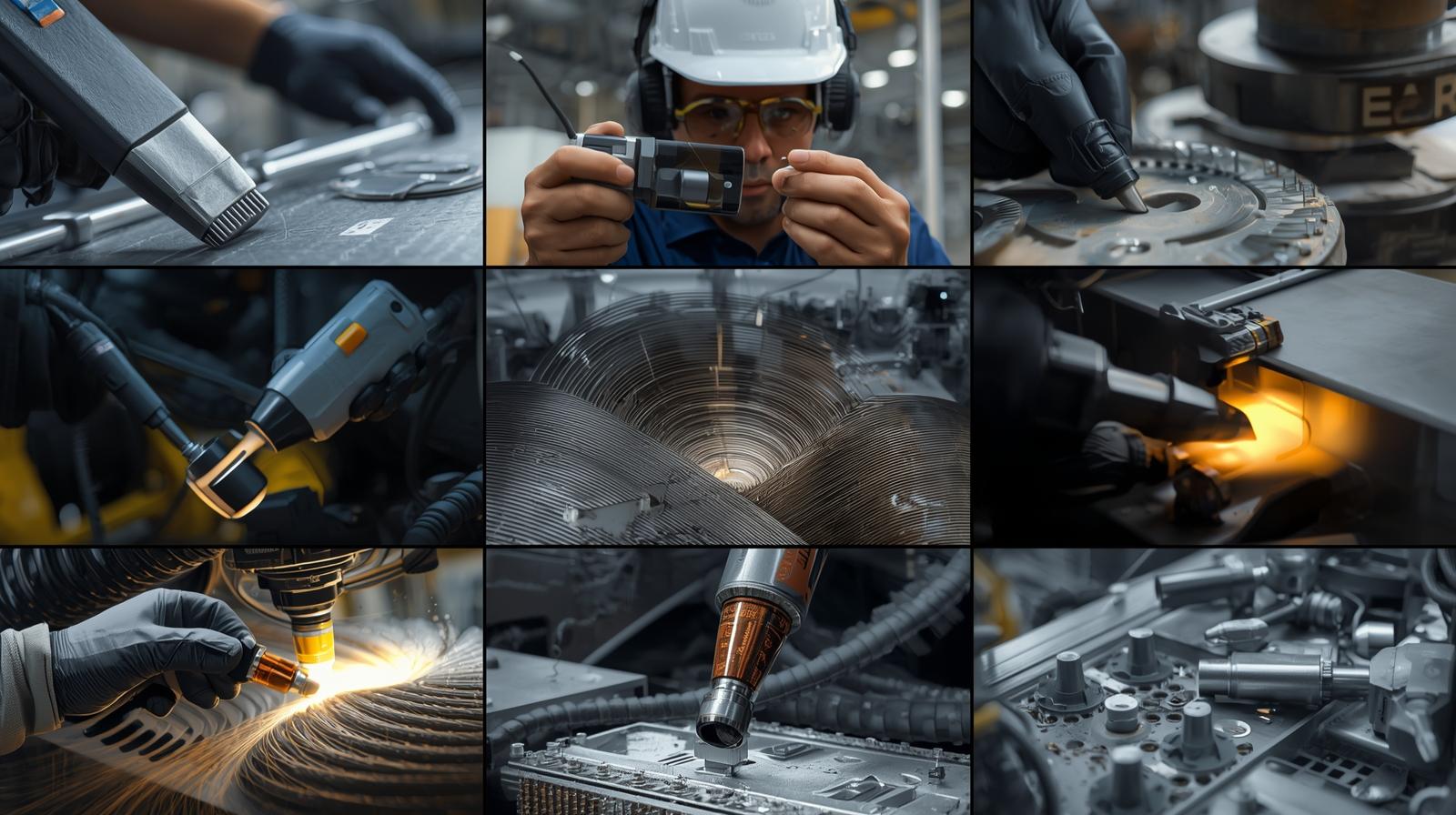
Manufacturing Industry Adopts Smart Quality Assurance
Manufacturing companies are increasingly integrating NDT solutions into production processes to improve quality control and minimise defects. Advanced inspection technologies allow manufacturers to detect issues earlier, reducing waste and improving productivity.
Industries such as automotive, electronics, and heavy machinery are adopting automated inspection systems powered by sensors, robotics, and artificial intelligence.
Smart manufacturing trends are encouraging the use of:
- Automated visual inspection
- Robotic inspection systems
- AI-based defect detection
- Digital inspection records
- Real-time monitoring solutions
These technologies are helping manufacturers move toward more efficient and data-driven quality assurance processes.
Digital Transformation Reshapes the NDT Industry
Technology advancements are transforming the way inspections are performed and analysed. Digital tools are improving accuracy, reducing inspection time, and enabling remote monitoring of industrial assets.
Major technology trends influencing the NDT market include:
Artificial Intelligence and Machine Learning
AI-powered inspection systems can analyse large amounts of inspection data, identify defects, and improve decision-making. Machine learning algorithms are helping inspectors detect patterns that may be difficult to identify through traditional methods.
Robotics and Automation
Robotic inspection systems are enabling safer testing in hazardous or difficult-to-access environments. These solutions are increasingly used in industries such as oil and gas, nuclear energy, and aerospace.
Remote Inspection Technologies
Remote inspection tools allow engineers to evaluate assets without direct physical access, improving safety and reducing operational disruptions.
Digital Twins and Predictive Maintenance
Digital twin technology combines real-time data with virtual models of assets, helping organisations predict failures and optimise maintenance schedules.
Emerging Opportunities in Industrial Inspection
The NDT and Inspection market offers significant growth opportunities as industries modernise their operations and adopt smarter maintenance strategies.
Key opportunity areas include:
Infrastructure Monitoring
Ageing bridges, buildings, roads, and industrial facilities require regular inspection to ensure structural safety. NDT technologies provide efficient solutions for monitoring infrastructure conditions.
Renewable Energy Inspection
The growth of wind farms, solar installations, and clean energy projects is increasing demand for specialised inspection services to maintain performance and reliability.
Semiconductor and Electronics Manufacturing
The growing complexity of electronic components is creating demand for precise inspection methods capable of identifying microscopic defects.
Automated Quality Control
Manufacturers are increasingly investing in automated inspection systems to improve production efficiency and maintain consistent quality standards.
Challenges Affecting Market Growth
Despite strong growth prospects, the NDT and Inspection market faces several challenges. These include high equipment costs, shortage of skilled inspection professionals, complex regulatory requirements, and the need for continuous technology upgrades.
The integration of advanced digital technologies also requires investment in training, data management systems, and cybersecurity measures.
Industry participants are addressing these challenges through innovation, workforce development, and the development of more user-friendly inspection solutions.
Future Outlook of the NDT and Inspection Market
The future of the NDT and Inspection market remains promising as industries continue prioritising safety, reliability, and operational efficiency. The combination of AI, robotics, automation, and digital analytics is expected to transform inspection processes and create new opportunities.
As infrastructure expands and industrial systems become more complex, demand for accurate and efficient testing solutions will continue to rise. Companies that adopt advanced inspection technologies will be better positioned to improve asset performance, reduce maintenance costs, and enhance overall quality assurance.
The NDT and Inspection market is experiencing significant growth as industries embrace advanced testing technologies and smarter quality assurance practices. From aerospace and energy to manufacturing and infrastructure, NDT solutions are becoming essential for ensuring safety, reliability, and operational excellence.
With continued advancements in artificial intelligence, automation, robotics, and digital inspection platforms, the NDT industry is expected to play a vital role in supporting the future of industrial innovation and predictive maintenance.
Frequently Asked Questions (FAQ) – NDT and Inspection Market Trends and Opportunities in Industrial Testing and Quality Assurance
1. What is driving the growth of the NDT and Inspection market?
The growth of the NDT and Inspection market is driven by increasing demand for industrial safety, quality assurance, predictive maintenance, regulatory compliance, and asset reliability. Industries are adopting advanced inspection technologies to reduce downtime, improve operational efficiency, and prevent equipment failures.
2. What is Non-Destructive Testing (NDT)?
Non-Destructive Testing (NDT) is a group of inspection techniques used to evaluate the condition, quality, and integrity of materials, components, and structures without causing damage. NDT helps detect defects such as cracks, corrosion, and weaknesses while allowing assets to remain operational.
3. Which industries use NDT and inspection technologies?
NDT solutions are widely used across industries including aerospace, defence, oil and gas, energy, automotive, manufacturing, construction, marine, infrastructure, and renewable energy. These sectors rely on inspection technologies to maintain safety, reliability, and regulatory standards.
4. What are the major types of NDT methods?
Common NDT methods include:
- Ultrasonic Testing (UT): Uses high-frequency sound waves to detect internal defects.
- Radiographic Testing (RT): Uses X-rays or gamma rays to examine internal structures.
- Eddy Current Testing (ECT): Detects surface and near-surface defects in conductive materials.
- Magnetic Particle Testing (MPT): Identifies surface defects in ferromagnetic materials.
- Visual Testing (VT): Uses cameras and advanced imaging systems for inspection.
5. How is artificial intelligence improving NDT and inspection processes?
Artificial intelligence is improving NDT by enabling automated defect detection, faster data analysis, predictive maintenance, and improved inspection accuracy. AI-powered systems can analyse large volumes of inspection data and help identify potential failures before they occur.
6. Why is predictive maintenance increasing demand for NDT solutions?
Predictive maintenance uses real-time data and inspection results to identify equipment issues before failures happen. NDT technologies support this approach by providing accurate information about asset conditions, helping companies reduce downtime and maintenance costs.
About MarketsandMarkets™
MarketsandMarkets™ provides quantified B2B research on 30,000 high growth niche opportunities/threats which will impact 70% to 80% of worldwide companies’ revenues. Currently servicing 7500 customers worldwide including 80% of global Fortune 1000 companies as clients. Almost 75,000 top officers across eight industries worldwide approach MarketsandMarkets™ for their painpoints around revenues decisions.
Our 850 fulltime analyst and SMEs at MarketsandMarkets™ are tracking global high growth markets following the “Growth Engagement Model – GEM”. The GEM aims at proactive collaboration with the clients to identify new opportunities, identify most important customers, write “Attack, avoid and defend” strategies, identify sources of incremental revenues for both the company and its competitors. MarketsandMarkets™ now coming up with 1,500 MicroQuadrants (Positioning top players across leaders, emerging companies, innovators, strategic players) annually in high growth emerging segments. MarketsandMarkets™ is determined to benefit more than 10,000 companies this year for their revenue planning and help them take their innovations/disruptions early to the market by providing them research ahead of the curve.
MarketsandMarkets’s flagship competitive intelligence and market research platform, “Knowledgestore” connects over 200,000 markets and entire value chains for deeper understanding of the unmet insights along with market sizing and forecasts of niche markets.
Contact:
Mr. Rohan Salgarkar
MarketsandMarkets™ INC.
630 Dundee Road
Suite 430
Northbrook, IL 60062
USA : 1-888-600-6441
