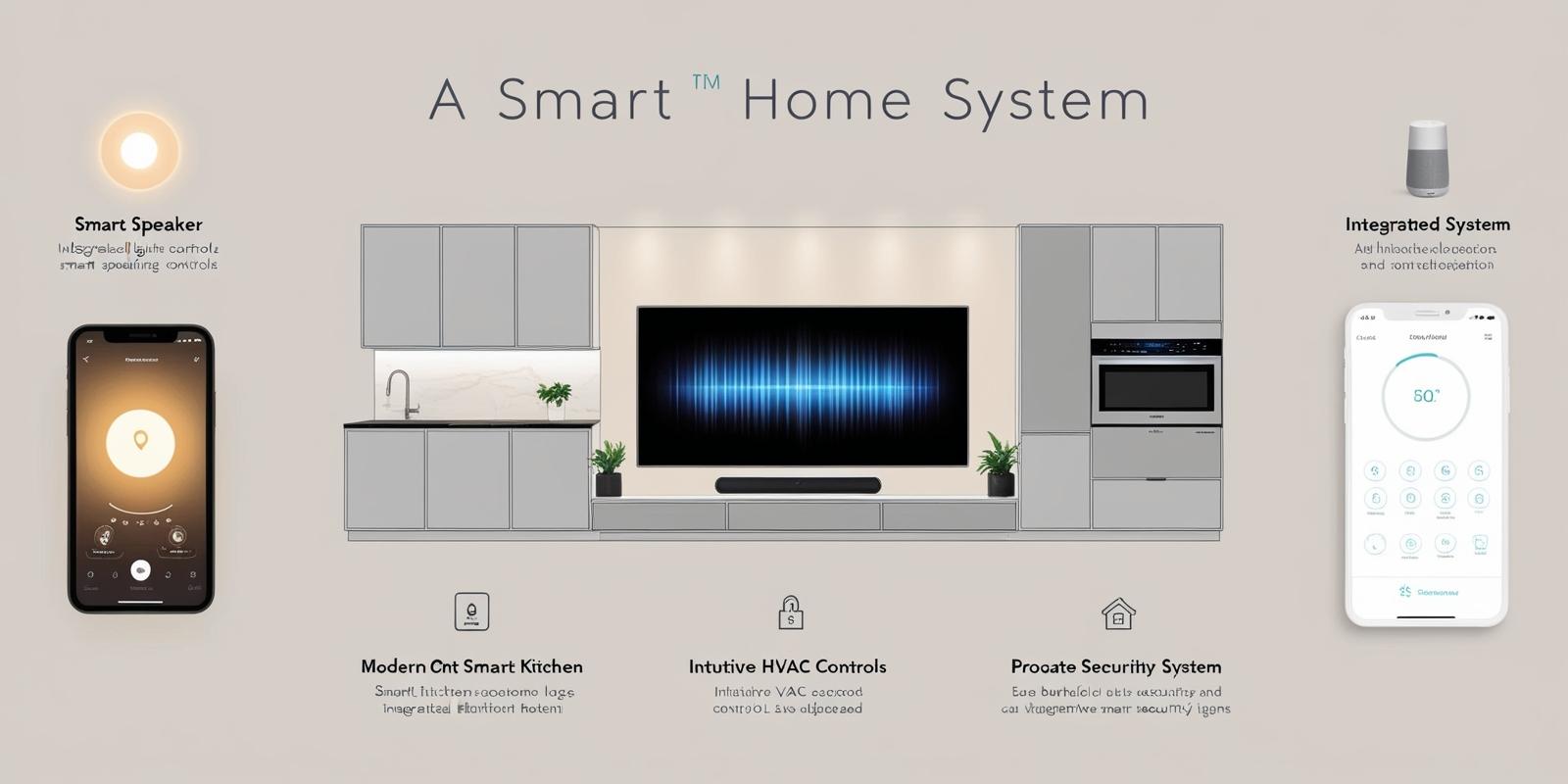
The global Smart Home Market is experiencing unprecedented growth as consumers increasingly embrace connected devices, artificial intelligence, and voice-controlled home automation systems. What was once considered a futuristic concept has become an integral part of modern living, enabling homeowners to manage lighting, security, entertainment, appliances, and climate control through a unified digital ecosystem.
According to recent industry estimates, the global Smart Home Market is projected to grow from USD 230.76 billion in 2026 to USD 450.20 billion by 2032, registering a CAGR of 11.8% during the forecast period. This remarkable expansion is driven by increasing IoT adoption, growing demand for energy efficiency, advancements in AI-powered assistants, and rising consumer interest in connected living experiences.
Among the companies leading this transformation, Amazon has emerged as one of the most influential innovators through its Alexa ecosystem. By combining voice recognition, artificial intelligence, cloud connectivity, and smart device integration, Amazon is helping redefine how consumers interact with their homes and contributing significantly to the growth of the Smart Home Market.
How Is Amazon’s Alexa Ecosystem Transforming the Smart Home Market?
One of the most important developments in the Smart Home Market has been the rise of voice-controlled home automation. Amazon’s Alexa ecosystem has played a pivotal role in making smart homes more accessible, intuitive, and user-friendly.
Alexa enables homeowners to control various connected devices through simple voice commands. Users can adjust lighting, lock doors, play music, control thermostats, manage security cameras, and operate appliances without touching a physical device.
This seamless user experience has helped accelerate consumer adoption of smart home technologies and has become a major growth driver within the Smart Home Market.
By simplifying home automation, Amazon has lowered barriers to entry and encouraged millions of households to embrace connected living.
Why Is Voice Control Becoming a Key Driver of the Smart Home Market?
Voice technology has emerged as one of the fastest-growing segments within the Smart Home Market.
How Does Voice Control Improve User Convenience?
Traditional home automation systems often required complex setups and dedicated control panels. Voice assistants have transformed this experience by enabling natural language interactions.
Homeowners can now:
- Turn lights on and off
- Adjust room temperatures
- Control entertainment systems
- Manage security devices
- Set reminders and schedules
- Access real-time information
This convenience has significantly increased the appeal of smart home solutions across diverse consumer segments.
Why Are Consumers Adopting Voice Assistants Faster?
Several factors are driving voice assistant adoption:
- Ease of use
- Hands-free operation
- Increased accessibility
- Integration with multiple devices
- Continuous AI improvements
As voice recognition technology becomes more accurate and intuitive, its influence on the Smart Home Market continues to expand.
How Does Alexa Connect Multiple Smart Home Devices?
A major advantage of Amazon’s ecosystem is its ability to serve as a centralized hub for connected devices.
What Types of Devices Can Alexa Control?
Alexa supports a wide range of smart home products, including:
- Smart lighting systems
- Smart locks
- Security cameras
- Video doorbells
- Thermostats
- Smart TVs
- Home entertainment systems
- Smart appliances
- Smart speakers
- Smart plugs
This broad compatibility has strengthened Amazon’s position within the Smart Home Market.
How Does Device Integration Enhance Connected Living?
A fully connected home allows devices to communicate and work together automatically.
For example:
- Lights can turn on when a door unlocks.
- Thermostats can adjust based on occupancy.
- Security cameras can trigger alerts when motion is detected.
- Smart speakers can activate customized routines.
These capabilities create more personalized and efficient living environments, further supporting growth across the Smart Home Market.
Download PDF Brochure @ https://www.marketsandmarkets.com/pdfdownloadNew.asp?id=121
Why Is Artificial Intelligence Reshaping the Smart Home Market?
Artificial intelligence is becoming increasingly important in the evolution of smart homes.
How Does Alexa Use AI to Improve User Experiences?
Alexa continuously learns from user behavior and preferences to deliver more personalized interactions.
AI-powered capabilities include:
- Voice recognition
- Predictive recommendations
- Routine automation
- Context-aware responses
- Natural language processing
These features make home automation more intelligent and responsive.
Why Is Predictive Automation Important?
Rather than waiting for commands, future smart homes will anticipate user needs.
Examples include:
- Automatically adjusting lighting based on time of day
- Optimizing HVAC settings for energy efficiency
- Recommending security actions
- Managing appliance operations
This shift toward proactive automation represents one of the most exciting trends within the Smart Home Market.
How Is Alexa Influencing Smart Home Security Solutions?
Security remains one of the most important application areas within the Smart Home Market.
Why Are Consumers Investing in Smart Security?
Homeowners increasingly prioritize safety and remote monitoring capabilities.
Alexa-enabled security solutions support:
- Video surveillance
- Smart locks
- Doorbell cameras
- Motion detection
- Emergency alerts
These technologies provide greater visibility and control over home environments.
How Does Voice Integration Enhance Security?
Voice assistants allow users to:
- Arm security systems
- Check camera feeds
- Lock doors remotely
- Receive notifications
The combination of security and convenience continues to drive adoption throughout the Smart Home Market.
How Is Alexa Supporting Energy Efficiency and Sustainability?
Energy management has become a major focus area within the Smart Home Market.
Why Is Smart Energy Management Growing?
Rising energy costs and sustainability concerns are encouraging homeowners to adopt connected solutions that optimize resource consumption.
Alexa-enabled systems can:
- Manage lighting schedules
- Optimize HVAC operations
- Monitor energy usage
- Reduce unnecessary consumption
These capabilities help consumers lower utility costs while supporting environmental goals.
How Do Smart Thermostats Improve Efficiency?
Smart thermostats integrated with Alexa can automatically adjust temperatures based on occupancy, weather conditions, and user preferences.
This intelligent climate management contributes significantly to the value proposition of the Smart Home Market.
What Role Does Alexa Play in Smart Home Entertainment?
Entertainment remains a major driver of consumer adoption within the Smart Home Market.
How Has Voice-Controlled Entertainment Changed User Behavior?
Alexa enables users to:
- Play music
- Stream videos
- Control televisions
- Manage audio systems
- Access digital content
Voice control simplifies content access while enhancing user experiences.
Why Are Multi-Room Audio Systems Becoming Popular?
Consumers increasingly seek seamless entertainment experiences throughout their homes.
Alexa-enabled devices allow synchronized audio playback across multiple rooms, creating new opportunities within the Smart Home Market.
How Is Amazon Benefiting from Emerging Smart Home Market Trends?
Several key trends are supporting Amazon’s continued success.
How Is IoT Expansion Creating Opportunities?
The number of connected devices continues to grow rapidly.
As IoT ecosystems expand, Alexa’s role as a central control platform becomes increasingly valuable.
Why Are Aging Populations Driving Smart Home Adoption?
Smart home technologies can improve quality of life for elderly individuals by enabling:
- Voice-controlled assistance
- Remote monitoring
- Automated routines
- Health-related reminders
These capabilities are contributing to broader adoption across the Smart Home Market.
How Is Remote Work Influencing Consumer Demand?
The rise of hybrid and remote work environments has increased interest in home automation, comfort, and connectivity.
Consumers increasingly invest in technologies that improve productivity and convenience at home.
What Challenges Does the Smart Home Market Face?
Despite strong growth potential, several challenges remain.
Why Is Data Privacy Important?
Smart home devices collect significant amounts of personal information.
Manufacturers must prioritize:
- Data security
- User privacy
- Regulatory compliance
Maintaining consumer trust is essential for continued market growth.
How Does Device Compatibility Impact Adoption?
Consumers often use products from multiple manufacturers.
Ensuring interoperability between devices remains a key challenge within the Smart Home Market.
Why Is Cybersecurity Becoming Critical?
As connected devices increase, so do potential cybersecurity risks.
Companies must continually invest in secure platforms and software updates to protect users.
What Is the Future Outlook for the Smart Home Market?
The future of the Smart Home Market remains exceptionally promising.
How Will AI Continue to Drive Innovation?
Future AI advancements are expected to deliver:
- More natural voice interactions
- Improved predictive automation
- Enhanced personalization
- Smarter energy management
Why Will Connected Living Become Mainstream?
As technology costs decline and device capabilities improve, smart homes are expected to become standard rather than optional.
Consumers increasingly view connected living as a practical solution for improving comfort, security, and efficiency.
How Will Amazon Maintain Its Leadership Position?
Amazon’s continued investments in AI, cloud infrastructure, device integration, and ecosystem expansion position Alexa as a key enabler of future smart home experiences.
The company’s ability to connect diverse devices and services will remain a major competitive advantage.
Conclusion
The global Smart Home Market is entering a period of sustained growth, projected to expand from USD 230.76 billion in 2026 to USD 450.20 billion by 2032 at a CAGR of 11.8%. This growth is fueled by increasing adoption of IoT devices, artificial intelligence, energy management solutions, and connected living technologies.
Amazon’s Alexa ecosystem has emerged as one of the most influential platforms within the Smart Home Market, transforming how consumers interact with their homes through voice-controlled automation and intelligent device integration.
As AI capabilities continue to evolve and connected devices become more sophisticated, Alexa is expected to play an even greater role in shaping the future of smart homes. Through innovation, convenience, and seamless connectivity, Amazon is helping drive the next generation of connected living and accelerating the global evolution of the Smart Home Market.
About MarketsandMarkets™
MarketsandMarkets™ has been recognized as one of America’s Best Management Consulting Firms by Forbes, as per their recent report.
MarketsandMarkets™ is a blue ocean alternative in growth consulting and program management, leveraging a man-machine offering to drive supernormal growth for progressive organizations in the B2B space. With the widest lens on emerging technologies, we are proficient in co-creating supernormal growth for clients across the globe.
Today, 80% of Fortune 2000 companies rely on MarketsandMarkets, and 90 of the top 100 companies in each sector trust us to accelerate their revenue growth. With a global clientele of over 13,000 organizations, we help businesses thrive in a disruptive ecosystem.
The B2B economy is witnessing the emergence of $25 trillion in new revenue streams that are replacing existing ones within this decade. We work with clients on growth programs, helping them monetize this $25 trillion opportunity through our service lines – TAM Expansion, Go-to-Market (GTM) Strategy to Execution, Market Share Gain, Account Enablement, and Thought Leadership Marketing.
Built on the ‘GIVE Growth’ principle, we collaborate with several Forbes Global 2000 B2B companies to keep them future-ready. Our insights and strategies are powered by industry experts, cutting-edge AI, and our Market Intelligence Cloud, KnowledgeStore™, which integrates research and provides ecosystem-wide visibility into revenue shifts.
To find out more, visit www.MarketsandMarkets™.com or follow us on Twitter , LinkedIn and Facebook .
Contact:
Mr. Rohan Salgarkar
MarketsandMarkets™ INC.
1615 South Congress Ave.
Suite 103, Delray Beach, FL 33445
USA: +1-888-600-6441
