Microgrids are becoming an increasingly important part of modern energy infrastructure, offering localized power generation, improved grid resilience, and the ability to integrate renewable energy sources. Despite their many advantages, the deployment of microgrids comes with several challenges that can hinder widespread adoption. These challenges span technical, financial, regulatory, and operational domains, making it essential for stakeholders to understand and address them effectively.
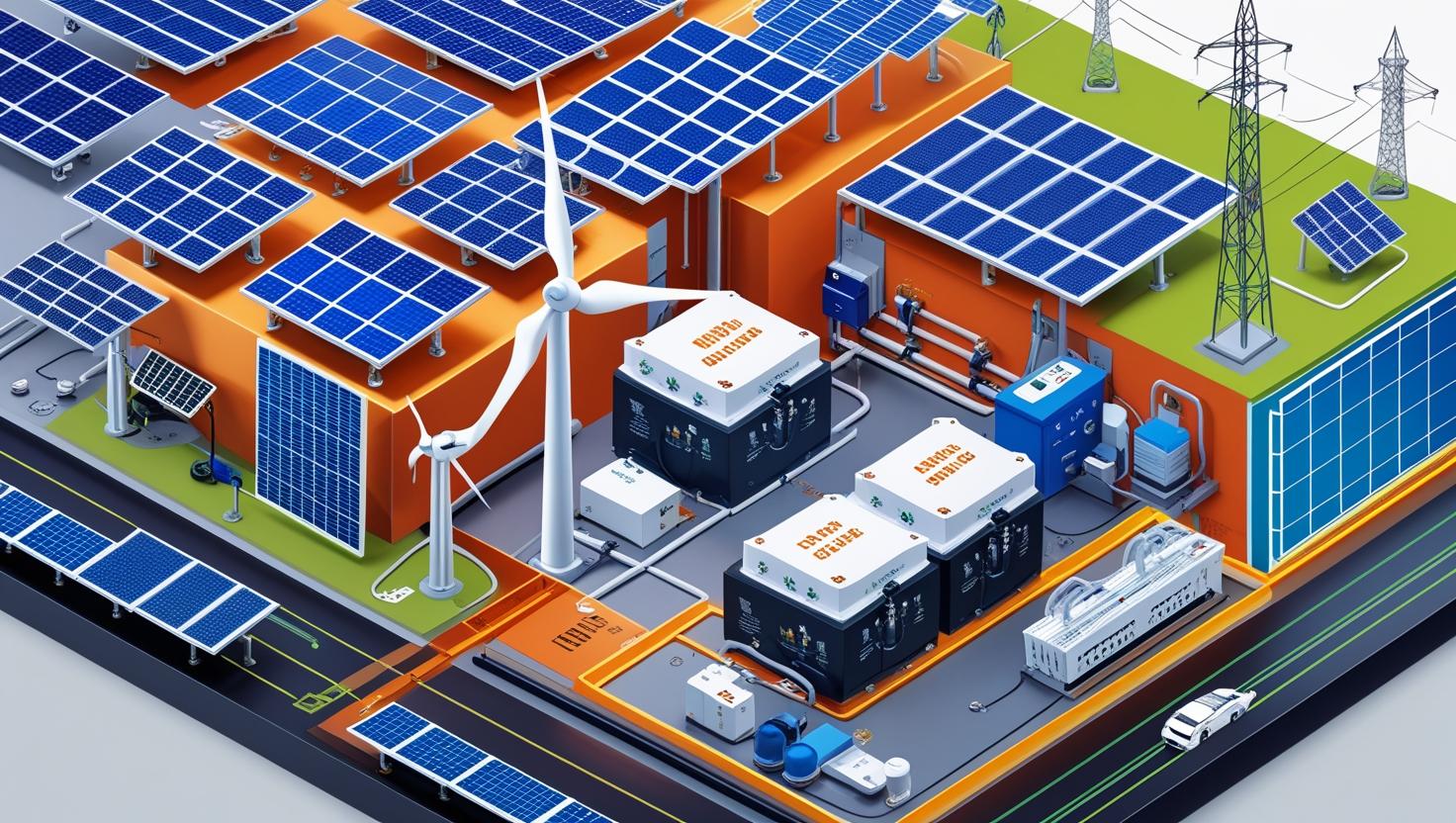
One of the primary challenges in deploying microgrids is the high initial capital investment required. Setting up a microgrid involves costs related to renewable energy sources such as solar panels and wind turbines, energy storage systems like batteries, control systems, communication infrastructure, and installation. For many communities, especially in developing regions or rural areas, the upfront cost can be a significant barrier. Although the long-term savings and energy independence are compelling, securing funding or financing for initial deployment often remains difficult.
Download PDF Brochure @ https://www.marketsandmarkets.com/pdfdownloadNew.asp?id=917
Regulatory and policy-related hurdles also complicate microgrid deployment. In many regions, utility regulations are not designed to accommodate decentralized energy systems. Existing laws may restrict the operation of private power systems or impose grid interconnection rules that make it difficult for microgrids to operate independently or sell excess power back to the grid. The lack of clear regulatory frameworks can discourage investment and delay project approvals, especially when multiple stakeholders—including utilities, government agencies, and private developers—are involved.
Technical complexity presents another significant challenge. Designing and operating a microgrid requires a sophisticated understanding of power generation, load balancing, energy storage, and control systems. Integrating multiple energy sources, especially intermittent renewables like solar and wind, adds layers of complexity. Microgrids must maintain a stable frequency and voltage even when disconnected from the main grid. Achieving this requires advanced control algorithms, real-time data analytics, and seamless communication between all system components.
Energy storage remains a critical bottleneck in many microgrid projects. While batteries are essential for storing excess renewable energy and providing power during outages or peak demand periods, they are still relatively expensive and face limitations related to capacity, lifespan, and environmental concerns. Innovations in storage technologies are ongoing, but until they become more cost-effective and scalable, the storage component will continue to pose deployment challenges.
Another obstacle is the issue of interoperability. A microgrid typically consists of components from multiple vendors—each with its own communication protocols and control standards. Ensuring that all systems can work together seamlessly requires significant integration effort and technical expertise. The lack of universal standards for microgrid components and interfaces makes it harder to scale or replicate successful projects across different regions or settings.
Grid interconnection and islanding capabilities are also challenging aspects of microgrid deployment. A microgrid must be able to disconnect from the main grid during disturbances and continue to operate independently—a capability known as islanding. Successfully implementing this requires precise synchronization and protection systems to avoid equipment damage and ensure safety. Reconnecting the microgrid to the main grid without causing instability is another complex task that requires advanced coordination and controls.
Cybersecurity is becoming an increasingly important concern as microgrids become more digital and connected. The integration of smart meters, IoT sensors, cloud platforms, and AI-powered energy management systems exposes microgrids to cyber threats. A successful cyberattack could disrupt energy services, damage critical infrastructure, or compromise sensitive data. Ensuring cybersecurity requires robust encryption, continuous monitoring, and regular updates, all of which add to the complexity and cost of deployment.
Community engagement and stakeholder alignment also pose challenges. Deploying a microgrid often involves various stakeholders—local governments, utility companies, technology providers, and end users—each with different priorities and expectations. Achieving consensus on project goals, operational strategies, cost-sharing models, and long-term management can be a time-consuming and sensitive process. In some cases, resistance from incumbent utilities or lack of public awareness about the benefits of microgrids can further delay implementation.
In summary, while microgrids offer significant promise for energy resilience, sustainability, and decentralization, their deployment is not without challenges. High upfront costs, regulatory uncertainties, technical complexity, storage limitations, interoperability issues, grid integration concerns, cybersecurity risks, and stakeholder coordination all need to be addressed. Overcoming these challenges requires concerted efforts from policymakers, technology providers, utilities, and communities. With the right support and strategic planning, microgrids can play a pivotal role in the transition to a smarter and more sustainable energy future.
Frequently Asked Questions (FAQs) on the Microgrid Market
1. What is a microgrid?
A microgrid is a localized energy system that can operate independently or in conjunction with the main power grid, integrating various energy sources like solar, wind, diesel generators, and batteries to provide reliable, efficient, and resilient electricity supply to specific areas or facilities.
2. How does a microgrid work?
Microgrids work by combining distributed energy resources, energy storage systems, and smart controllers to monitor and balance energy generation and consumption, ensuring consistent power availability, even during grid outages.
3. What are the main types of microgrids?
The primary types of microgrids include grid-connected microgrids that work with the main utility grid, off-grid microgrids that function independently in remote areas, and hybrid microgrids that combine both renewable and conventional power sources.
4. What are the key benefits of using microgrids?
Microgrids offer numerous benefits, including improved energy reliability, reduced electricity costs, enhanced resilience during power outages, better integration of renewable energy, and lower greenhouse gas emissions.
5. What are the major components of a microgrid?
Core components of a microgrid include distributed power generators (such as solar panels or diesel generators), energy storage systems (like batteries), a microgrid controller, smart meters, loads (end-use devices), and optional grid connections.
6. How is artificial intelligence (AI) used in microgrids?
AI is used in microgrids for real-time monitoring, energy forecasting, predictive maintenance, optimization of energy distribution, demand response management, and enhancing the integration of renewable sources through intelligent control systems.
See The Latest Semiconductor Reports:
Photovoltaics Market by Material (Silicon, CIGS, CdTe, Perovskite, Organic Photovoltaic, Quantum Dot), Component (Modules, Inverters, BOS), Installation Type (Ground-mounted, Building-integrated, Floating), Cell Type and Region – Global Forecast to 2030
Embodied AI Market by Product Type [Robots (Humanoid Robots, Mobile Robots, Industrial Robots, Service Robots, Cobots), Exoskeletons, Autonomous Systems, Smart Appliances], Level of Embodiment (Level 1, Level 2, Level 3) – Global Forecast to 2030