The Industrial Internet of Things (IIoT) is revolutionizing the manufacturing sector, driving unprecedented levels of efficiency, productivity, and innovation. By integrating smart sensors, connected devices, and advanced analytics, IIoT is transforming the manufacturing industry into a dynamic, data-driven ecosystem. This article delves into the profound impact of IIoT, exploring its applications, benefits, challenges, and future trends, with a focus on how IIoT is transforming the manufacturing industry.
The global Industrial IoT Market size accounted for USD 194.4 billion in 2024, grew to USD 198.2 billion in 2025 and is projected to reach USD 286.3 billion by 2029, representing a healthy CAGR of 8.1% between 2024 and 2029.
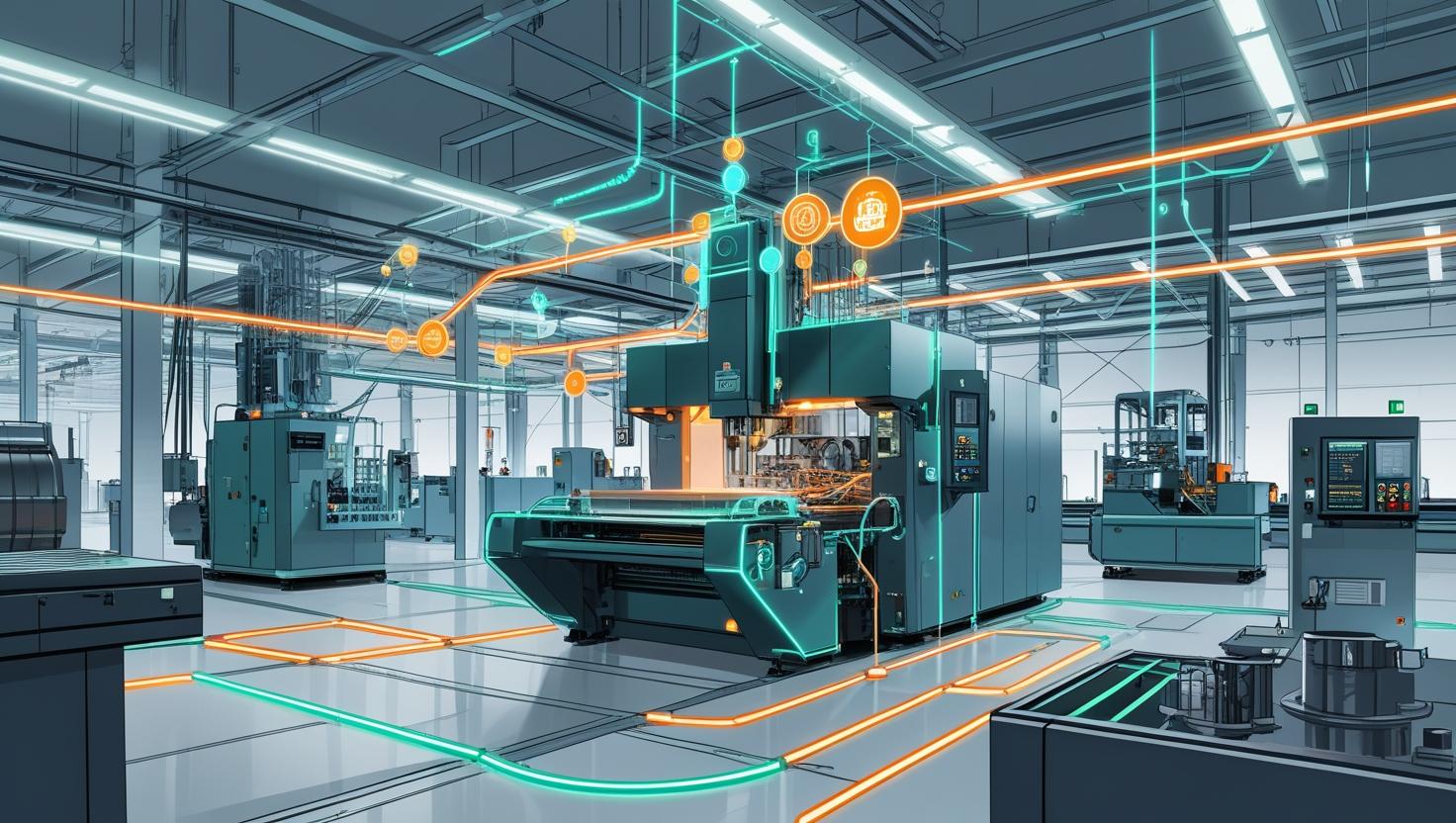
Understanding the Industrial Internet of Things (IIoT) and Its Role in Manufacturing
The Industrial Internet of Things refers to the network of interconnected devices, machines, and systems that collect, exchange, and analyze data to optimize industrial processes. In manufacturing, IIoT connects equipment, production lines, and supply chains, enabling real-time monitoring and decision-making. By leveraging technologies like sensors, cloud computing, and artificial intelligence (AI), IIoT is transforming the manufacturing industry by enhancing operational efficiency and fostering innovation.
IIoT enables manufacturers to move beyond traditional methods, embracing smart factories where machines communicate seamlessly. This connectivity empowers businesses to monitor performance, predict maintenance needs, and streamline operations. The result is a more agile, cost-effective, and sustainable manufacturing process, positioning IIoT as a cornerstone of Industry 4.0.
Key Drivers Behind IIoT Adoption in the Manufacturing Sector
Several factors are propelling the adoption of IIoT in manufacturing. The need for operational efficiency, cost reduction, and competitive advantage is pushing manufacturers to embrace digital transformation. Here’s how IIoT is transforming the manufacturing industry through key drivers:
- Demand for Real-Time Data: IIoT provides real-time insights into production processes, enabling faster decision-making and improved resource allocation.
- Cost Optimization: By predicting equipment failures and optimizing energy use, IIoT reduces operational costs.
- Global Competition: Manufacturers adopting IIoT gain a competitive edge through enhanced productivity and innovation.
- Regulatory Compliance: IIoT ensures adherence to quality and safety standards through automated monitoring and reporting.
These drivers highlight why IIoT is transforming the manufacturing industry, making it a critical tool for modern manufacturers aiming to stay ahead in a rapidly evolving market.
Core Applications of IIoT in Transforming Manufacturing Processes
IIoT’s applications in manufacturing are vast, touching every aspect of the production lifecycle. By integrating connected devices and advanced analytics, IIoT is transforming the manufacturing industry in the following ways:
Predictive Maintenance for Enhanced Equipment Longevity
Predictive maintenance is one of the most significant ways IIoT is transforming the manufacturing industry. Sensors embedded in machinery collect data on performance metrics like temperature, vibration, and wear. Advanced analytics then predict potential failures before they occur, reducing downtime and maintenance costs. For example, a manufacturer can use IIoT to monitor a motor’s health, scheduling maintenance only when necessary, thus avoiding costly unplanned outages.
Real-Time Production Monitoring and Optimization
IIoT enables real-time monitoring of production lines, allowing manufacturers to track performance, identify bottlenecks, and optimize workflows. By collecting data from sensors across the factory floor, IIoT systems provide insights into machine efficiency, production rates, and quality control. This real-time visibility ensures that manufacturers can respond quickly to issues, enhancing productivity and product quality.
Supply Chain and Inventory Management Efficiency
IIoT is transforming the manufacturing industry by revolutionizing supply chain management. Connected devices track inventory levels, monitor shipments, and predict demand, ensuring seamless coordination between suppliers, manufacturers, and distributors. This reduces stockouts, minimizes excess inventory, and improves overall supply chain efficiency.
Quality Control and Defect Detection Through IIoT
Quality control is critical in manufacturing, and IIoT enhances it by enabling automated defect detection. Sensors and AI-powered analytics monitor products in real time, identifying deviations from quality standards. This ensures that defective products are caught early, reducing waste and improving customer satisfaction.
Benefits of IIoT in Revolutionizing Manufacturing Operations
The benefits of IIoT in manufacturing are transformative, offering tangible improvements in efficiency, cost savings, and sustainability. Here’s how IIoT is transforming the manufacturing industry through its core advantages:
- Increased Operational Efficiency: IIoT automates repetitive tasks, streamlines processes, and reduces human error, leading to higher productivity.
- Cost Reduction: Predictive maintenance and optimized resource use lower operational and maintenance costs.
- Improved Safety: IIoT monitors workplace conditions, reducing accidents by alerting workers to potential hazards.
- Sustainability: Energy-efficient processes and reduced waste align manufacturing with environmental goals.
- Data-Driven Decision Making: Real-time data empowers manufacturers to make informed decisions quickly.
These benefits demonstrate how IIoT is transforming the manufacturing industry by creating smarter, more efficient, and sustainable operations.
Challenges in Implementing IIoT in Manufacturing Environments
While IIoT offers immense potential, its implementation comes with challenges. Understanding these hurdles is crucial for manufacturers looking to leverage IIoT effectively. Key challenges include:
Cybersecurity Risks in Connected Manufacturing Systems
As IIoT connects more devices, it increases the risk of cyberattacks. Hackers can exploit vulnerabilities in connected systems, compromising sensitive data or disrupting operations. Manufacturers must invest in robust cybersecurity measures, such as encryption and intrusion detection systems, to protect their IIoT infrastructure.
High Initial Investment and Integration Costs
Implementing IIoT requires significant upfront investment in sensors, software, and infrastructure upgrades. Additionally, integrating IIoT with legacy systems can be complex and costly. Manufacturers must carefully plan their IIoT strategy to ensure a positive return on investment.
Data Management and Interoperability Issues
IIoT generates vast amounts of data, which can overwhelm manufacturers without proper data management systems. Additionally, ensuring interoperability between different devices and platforms is a challenge, as many systems use proprietary protocols. Standardized protocols and advanced data analytics are essential to overcome these issues.
Workforce Training and Skill Gaps
The adoption of IIoT requires a skilled workforce capable of managing connected systems and analyzing data. Many manufacturers face skill gaps, necessitating training programs to upskill employees. Addressing this challenge is critical to fully realizing how IIoT is transforming the manufacturing industry.
The Role of Emerging Technologies in Enhancing IIoT’s Impact
IIoT’s transformative power is amplified by emerging technologies like AI, machine learning, and edge computing. These technologies enhance IIoT’s capabilities, driving further innovation in manufacturing.
Artificial Intelligence and Machine Learning Integration
AI and machine learning analyze vast datasets generated by IIoT, uncovering patterns and insights that drive smarter decision-making. For example, AI can predict equipment failures with greater accuracy or optimize production schedules based on demand forecasts, further illustrating how IIoT is transforming the manufacturing industry.
Edge Computing for Real-Time Data Processing
Edge computing processes data closer to its source, reducing latency and bandwidth usage. In manufacturing, edge devices analyze sensor data in real time, enabling faster responses to issues like equipment malfunctions or quality defects. This enhances IIoT’s ability to transform manufacturing processes.
5G Connectivity for Seamless IIoT Integration
The rollout of 5G networks is accelerating IIoT adoption by providing faster, more reliable connectivity. In manufacturing, 5G enables real-time communication between devices, supporting applications like autonomous robots and remote monitoring. This connectivity is a game-changer in how IIoT is transforming the manufacturing industry.
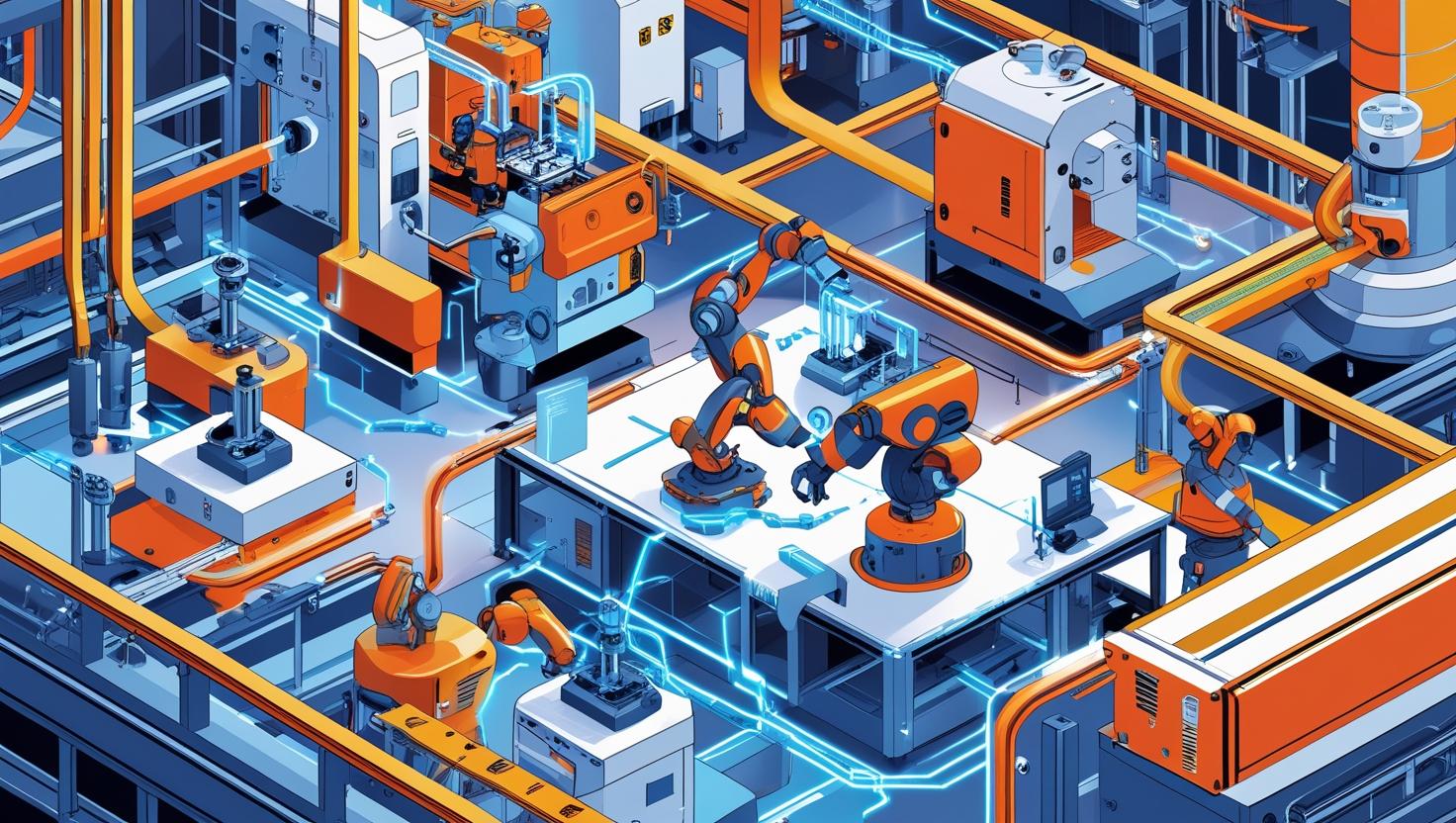
Understanding the Industrial Internet of Things in Manufacturing
The Industrial Internet of Things (IIoT) refers to a network of interconnected devices, machines, and systems that collect and analyze data to optimize industrial processes. In manufacturing, IIoT connects production equipment, supply chains, and operational systems, enabling real-time insights and automation. By leveraging technologies like sensors, cloud computing, and artificial intelligence (AI), IIoT is transforming the manufacturing industry by streamlining operations, reducing costs, and fostering innovation. This shift toward smart, connected factories is a cornerstone of Industry 4.0, driving manufacturers toward greater agility and competitiveness.
Key Drivers Fueling IIoT Adoption in Manufacturing
The rapid adoption of IIoT in manufacturing is driven by several critical factors that align with the industry’s evolving needs. How IIoT is transforming the manufacturing industry is evident in the following drivers:
- Real-Time Data Insights: IIoT enables instant access to performance metrics, improving decision-making.
- Cost Efficiency: Predictive maintenance and optimized resource use reduce operational expenses.
- Competitive Advantage: IIoT-driven innovation helps manufacturers stay ahead in global markets.
- Regulatory Compliance: Automated monitoring ensures adherence to quality and safety standards.
These drivers underscore why IIoT is transforming the manufacturing industry, empowering businesses to achieve greater efficiency and innovation.
Core Applications Driving IIoT’s Transformation of Manufacturing
IIoT’s applications are reshaping every facet of manufacturing, from production to supply chain management. Here’s how IIoT is transforming the manufacturing industry through its key applications:
Predictive Maintenance for Equipment Longevity
IIoT enables predictive maintenance by using sensors to monitor equipment health metrics like vibration and temperature. Advanced analytics predict failures, reducing downtime and costs. This proactive approach exemplifies how IIoT is transforming the manufacturing industry by extending equipment life and minimizing disruptions.
Real-Time Monitoring and Process Optimization
Real-time monitoring of production lines allows manufacturers to track performance, identify inefficiencies, and optimize workflows. IIoT systems collect data from factory floor sensors, providing insights into machine efficiency and product quality, ensuring rapid issue resolution and enhanced productivity.
Supply Chain and Inventory Management Efficiency
IIoT streamlines supply chain operations by tracking inventory, monitoring shipments, and predicting demand. This connectivity reduces stockouts, minimizes excess inventory, and enhances coordination, demonstrating how IIoT is transforming the manufacturing industry’s supply chain dynamics.
Advanced Quality Control and Defect Detection
IIoT enhances quality control through automated defect detection. Sensors and AI analyze products in real time, identifying deviations from standards early, reducing waste, and improving customer satisfaction—a clear example of how IIoT is transforming the manufacturing industry.
Benefits of IIoT in Revolutionizing Manufacturing Operations
The advantages of IIoT are profound, offering significant improvements in efficiency, cost savings, and sustainability. How IIoT is transforming the manufacturing industry is evident in these benefits:
- Enhanced Efficiency: Automation and data-driven insights streamline processes and reduce errors.
- Cost Savings: Predictive maintenance and optimized resource use lower expenses.
- Improved Safety: Real-time monitoring of workplace conditions reduces accidents.
- Sustainability: Energy-efficient operations and reduced waste align with environmental goals.
- Informed Decision-Making: Real-time data enables faster, smarter decisions.
These benefits highlight how IIoT is transforming the manufacturing industry into a more efficient, sustainable, and competitive sector.
Challenges in Implementing IIoT in Manufacturing
Despite its potential, IIoT adoption faces challenges that manufacturers must address to fully realize how IIoT is transforming the manufacturing industry.
Cybersecurity Risks in Connected Systems
The connectivity of IIoT increases cybersecurity risks, as hackers may target vulnerabilities, compromising data or operations. Manufacturers must implement encryption, firewalls, and intrusion detection to safeguard IIoT systems.
High Initial Costs and Integration Complexity
IIoT implementation requires significant investment in sensors, software, and infrastructure. Integrating IIoT with legacy systems can be complex, necessitating careful planning to ensure cost-effectiveness and seamless integration.
Data Management and Interoperability Challenges
IIoT generates massive data volumes, requiring robust management systems. Interoperability issues arise from proprietary protocols, necessitating standardized solutions to ensure seamless device communication.
Workforce Training and Skill Development
IIoT demands a skilled workforce to manage connected systems and analyze data. Manufacturers must invest in training to bridge skill gaps, ensuring employees can leverage IIoT effectively.
Emerging Technologies Amplifying IIoT’s Impact
Emerging technologies enhance IIoT’s transformative potential, further illustrating how IIoT is transforming the manufacturing industry.
AI and Machine Learning Integration
AI and machine learning analyze IIoT data to predict equipment failures, optimize schedules, and improve quality control. This synergy drives smarter, more efficient manufacturing processes.
Edge Computing for Real-Time Processing
Edge computing processes data at its source, reducing latency. In manufacturing, edge devices enable real-time responses to issues, enhancing IIoT’s ability to transform operations.
5G Connectivity for Seamless Integration
5G networks provide fast, reliable connectivity for IIoT devices, supporting applications like autonomous robots and remote monitoring. This connectivity accelerates how IIoT is transforming the manufacturing industry.
Download PDF Brochure @ https://www.marketsandmarkets.com/pdfdownloadNew.asp?id=129733727
Future Trends Shaping IIoT in Manufacturing
The future of IIoT in manufacturing is promising, with trends that further demonstrate how IIoT is transforming the manufacturing industry:
Autonomous Factories
IIoT is driving the development of fully autonomous factories, where machines operate independently, maximizing efficiency.
Sustainability and Green Manufacturing
IIoT supports eco-friendly practices by optimizing energy use and reducing waste, aligning with global sustainability goals.
Advanced Analytics and AI Integration
The integration of advanced analytics and AI will enhance IIoT’s ability to predict trends, optimize processes, and drive innovation.
The Future of Manufacturing with IIoT
The Industrial Internet of Things is undeniably transforming the manufacturing industry, enabling smarter, more efficient, and sustainable operations. By leveraging real-time data, predictive maintenance, and advanced analytics, IIoT is revolutionizing production, supply chains, and quality control. Despite challenges like cybersecurity and costs, the benefits of IIoT—efficiency, cost savings, and innovation—make it a cornerstone of Industry 4.0. As emerging technologies like AI and 5G enhance IIoT’s capabilities, manufacturers are poised to achieve unprecedented levels of productivity and competitiveness, solidifying how IIoT is transforming the manufacturing industry.
Explore In-Depth Semiconductor & Electronics Market Research –https://www.marketsandmarkets.com/semiconductorand-electonics-market-research-87.html
FAQs
What is IIoT, and how is it transforming the manufacturing industry?
IIoT (Industrial Internet of Things) connects machines, devices, and systems to collect and analyze data, optimizing manufacturing processes. It transforms the industry by enabling predictive maintenance, real-time monitoring, and supply chain efficiency.
What are the main benefits of IIoT in manufacturing?
IIoT improves efficiency, reduces costs through predictive maintenance, enhances safety, promotes sustainability, and enables data-driven decisions, revolutionizing manufacturing operations.
What challenges does IIoT implementation face in manufacturing?
Challenges include cybersecurity risks, high initial costs, data management complexities, and workforce skill gaps, requiring strategic planning to overcome.
How does IIoT improve supply chain management?
IIoT tracks inventory, monitors shipments, and predicts demand, reducing stockouts and improving coordination, thus enhancing supply chain efficiency.
What is the future of IIoT in manufacturing?
The future includes autonomous factories, advanced AI integration, and sustainable practices, further transforming manufacturing with greater efficiency and innovation.
See The Latest Semiconductor Reports:
Infrared Imaging Market Size, Share & Trends : https://www.marketsandmarkets.com/Market-Reports/infrared-IR-sensing-imaging-market-593.html
Submarine Cable Systems Market Size, Share & Trends : https://www.marketsandmarkets.com/Market-Reports/submarine-cable-system-market-184625.html
SCADA Market Size, Share & Trends : https://www.marketsandmarkets.com/Market-Reports/scada-market-19487518.html
Digital Twin Market Size, Share & Trends : https://www.marketsandmarkets.com/Market-Reports/digital-twin-market-225269522.html
Automotive AI Market Size, Share & Trends: https://www.marketsandmarkets.com/Market-Reports/automotive-artificial-intelligence-market-248804391.html
