The retail industry is undergoing a dramatic transformation as technology reshapes how consumers interact with brands. One of the most significant disruptors is Extended Reality (XR)—an umbrella term that includes Augmented Reality (AR), Virtual Reality (VR), and Mixed Reality (MR). These immersive technologies are helping retailers bridge the gap between physical and digital shopping, creating more engaging, personalized, and frictionless customer experiences.
Reimagining In-Store Engagement with AR
In brick-and-mortar retail, Augmented Reality is changing how shoppers explore products. Using AR apps or smart mirrors, customers can visualize how clothes fit without trying them on, see how furniture looks in their homes, or access detailed product information by simply pointing their phone at an item. This enhances in-store engagement, reduces return rates, and boosts customer confidence—especially in high-involvement purchases like fashion, eyewear, or home decor.
Retailers such as IKEA, Sephora, and Nike have already adopted AR to offer virtual try-ons and product customization tools, making physical stores more interactive and digitally connected.
Virtual Shopping: Immersive E-Commerce with VR
Virtual Reality allows retailers to recreate entire stores or showrooms in a virtual environment. Shoppers wearing VR headsets can walk through a digital version of a store, browse aisles, pick up products, and even complete purchases—all from the comfort of their homes. This is not just a futuristic concept; brands like Alibaba and Tommy Hilfiger have piloted VR stores that simulate in-person shopping experiences online.
Beyond convenience, VR enables brands to tell immersive brand stories, host virtual fashion shows, or provide behind-the-scenes product experiences—all adding emotional depth to e-commerce.
Download PDF Brochure @ https://www.marketsandmarkets.com/pdfdownloadNew.asp?id=147143592
Mixed Reality: The Convergence of Physical and Digital
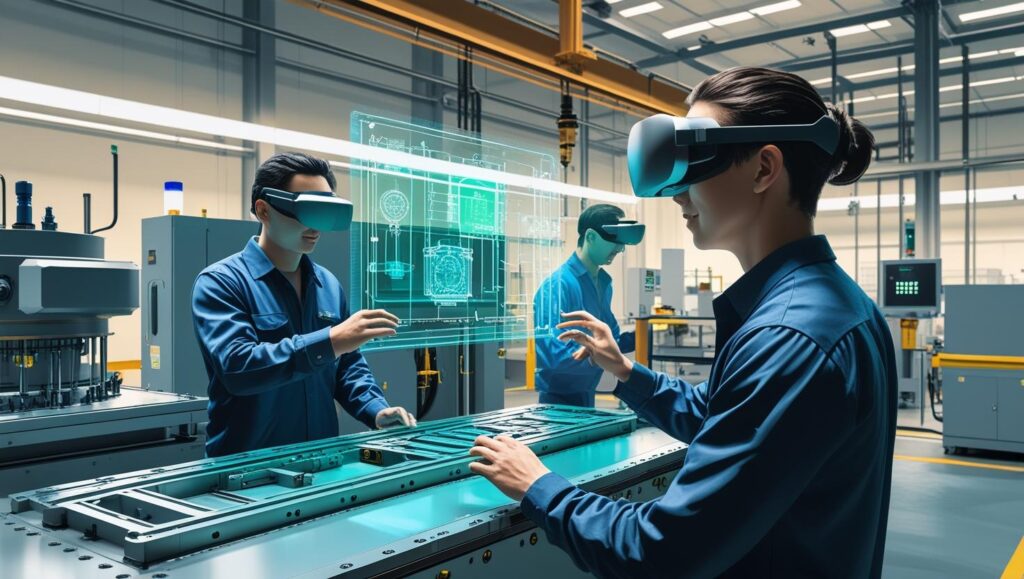
Mixed Reality (MR) brings a new level of sophistication to retail by blending digital content directly into the shopper’s physical environment. Imagine a customer walking through a store wearing MR glasses and receiving real-time promotions, product demos, or navigation assistance. MR can also allow sales associates to collaborate remotely with customers, overlaying product specifications or customization options in real time.
This blend of physical presence and digital flexibility can elevate the service experience and enable a more personalized shopping journey, tailored to each visitor’s preferences and behaviors.
Personalization and Data-Driven Experiences
XR is a goldmine for personalization. By tracking user interactions and preferences in immersive environments, retailers gain deep insights into shopper behavior. These insights can be used to curate personalized product suggestions, refine store layouts, and optimize inventory management.
For example, a customer who spends more time interacting with athletic wear in an AR app may later receive targeted offers or see customized product assortments in-store, driven by their previous engagement.
Training Retail Staff with XR
The benefits of XR in retail extend beyond customers. Many brands are now using VR and MR for employee training, simulating real-world retail scenarios like managing customer interactions, organizing shelves, or handling seasonal surges. These immersive training modules help staff develop skills quickly and consistently, improving customer service quality across multiple locations.
The Future of XR in Retail
As XR hardware becomes more affordable and 5G connectivity reduces latency, the applications of Extended Reality in retail will continue to expand. Retailers will be able to build phygital ecosystems—where physical and digital experiences co-exist seamlessly, offering value at every touchpoint.
Whether it’s enhancing online shopping with 3D product visualization or revolutionizing the in-store journey with AR navigation and personalized experiences, Extended Reality is no longer optional—it’s a competitive advantage.
FAQ: Extended Reality in Retail
1. What is Extended Reality (XR) in retail?
Extended Reality (XR) in retail refers to the use of immersive technologies like Augmented Reality (AR), Virtual Reality (VR), and Mixed Reality (MR) to enhance the shopping experience—both in-store and online. It enables interactive product visualization, virtual try-ons, and immersive brand engagement.
2. How does AR improve the in-store shopping experience?
Augmented Reality allows customers to interact with digital content while browsing physical products. For example, shoppers can use AR apps to see how a sofa would look in their living room or try on clothes virtually using smart mirrors, reducing decision fatigue and enhancing engagement.
3. What is Virtual Reality used for in retail?
Virtual Reality is used to create immersive, digital shopping environments where customers can explore a virtual store, examine products in 3D, and even complete purchases from home. It is especially useful for brand storytelling, virtual events, or showcasing full collections.
