The global environmental remediation industry is gaining momentum as the twin forces of innovation and regulatory pressure shape its trajectory. Increasing industrial activities, urbanization, and climate-related challenges have heightened the need to address soil, water, and air contamination. Governments are imposing stricter environmental standards, while technology developers are responding with innovative remediation methods designed to be more efficient, sustainable, and cost-effective. Together, these drivers are creating a favorable ecosystem for industry expansion and positioning environmental remediation as a cornerstone of global sustainability efforts.
Download PDF Brochure @ https://www.marketsandmarkets.com/pdfdownloadNew.asp?id=93290334
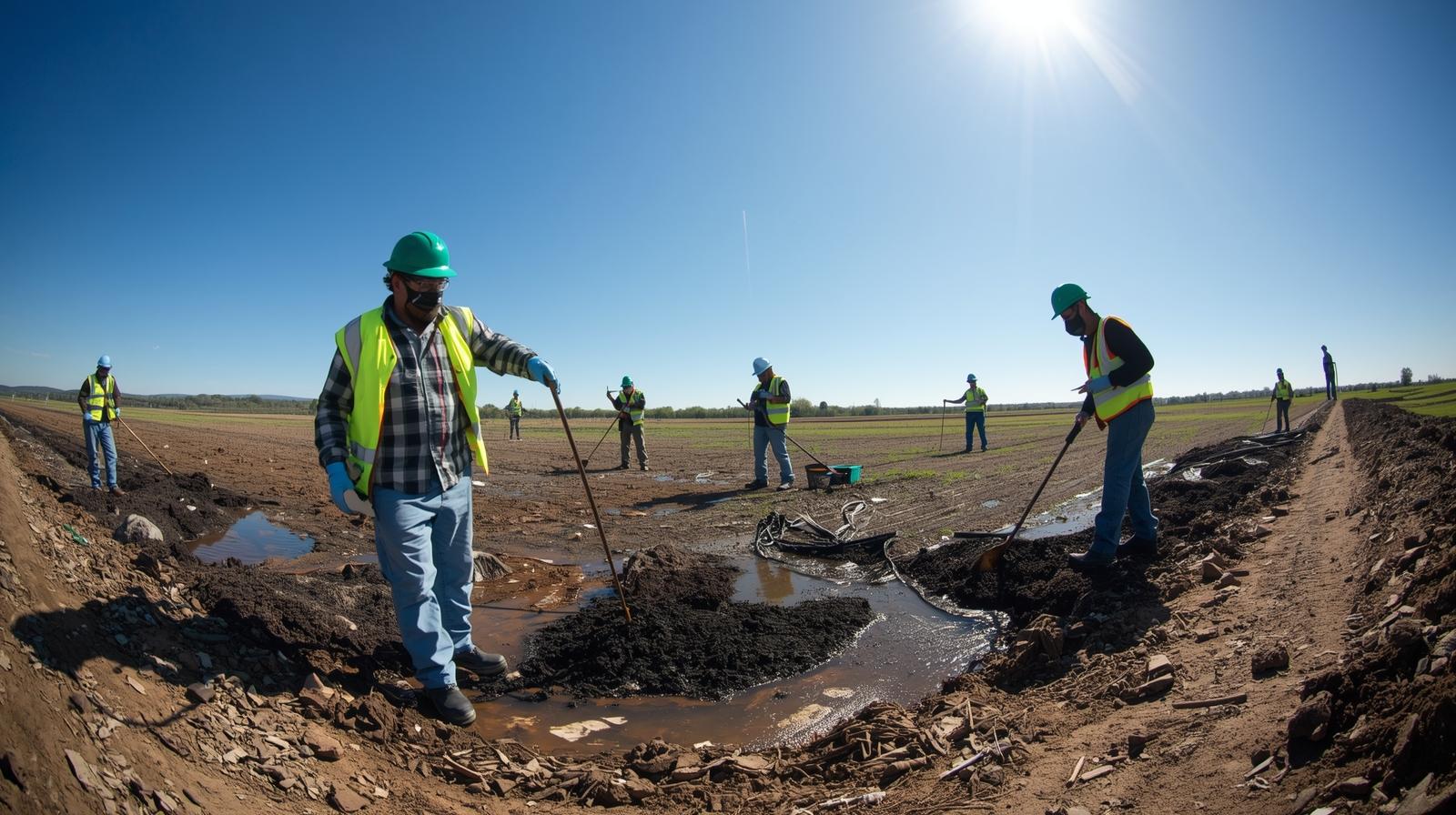
Regulatory Frameworks as a Market Catalyst
Governments across the world are intensifying their efforts to mitigate pollution by strengthening environmental laws and compliance requirements. Regulatory bodies such as the U.S. Environmental Protection Agency (EPA), the European Environment Agency (EEA), and similar organizations in Asia-Pacific are setting stringent limits on permissible levels of contaminants in soil and groundwater. These frameworks not only hold industries accountable for past pollution but also require preventive measures to reduce future contamination risks.
In many countries, penalties for non-compliance have increased significantly, pushing industries to adopt remediation solutions. Furthermore, large-scale government initiatives and public-private partnerships are emerging to rehabilitate abandoned industrial sites, landfills, and mining regions. By mandating remediation activities, regulators are ensuring that environmental cleanup becomes an integral part of industrial and infrastructural development projects.
Innovations Transforming Remediation Practices
The environmental remediation industry is also experiencing a wave of technological advancements that are revolutionizing how contaminated sites are identified, assessed, and restored. Traditional methods such as excavation and incineration are gradually being supplemented or replaced by innovative solutions that are both eco-friendly and economically viable.
Bioremediation, which uses microorganisms to break down pollutants, has gained prominence due to its sustainable approach. Similarly, nanotechnology-based remediation is emerging as a powerful tool to treat contaminants at the molecular level, offering faster and more precise cleanup. Soil vapor extraction, in-situ chemical oxidation, and thermal desorption techniques are being refined to enhance efficiency and reduce environmental impact.
The integration of digital technologies such as remote sensing, drones, artificial intelligence (AI), and geographic information systems (GIS) is also transforming the industry. These tools enable real-time monitoring, predictive modeling, and data-driven decision-making, significantly reducing remediation timelines and improving outcomes.
Synergy Between Innovation and Regulation
The interplay between technological innovation and regulatory requirements is creating strong growth opportunities for the global environmental remediation industry. While regulations ensure that industries and governments are compelled to address contamination, innovations make it possible to achieve compliance more effectively. For example, regulators in Europe are promoting the adoption of green remediation technologies, which minimize carbon emissions during cleanup. This has accelerated the use of bio-based and in-situ treatment methods that align with circular economy principles.
Moreover, innovations are helping industries not only meet regulatory standards but also align with broader sustainability goals such as net-zero carbon emissions and environmental, social, and governance (ESG) commitments. As investors and stakeholders increasingly prioritize ESG compliance, companies are leveraging advanced remediation solutions to improve their environmental footprint and reputation.
Regional Trends Shaping Industry Dynamics
North America remains a leading region in the environmental remediation industry, driven by strict regulations, large-scale government-led projects, and strong technological capabilities. Europe follows closely, with countries emphasizing sustainable land use and remediation as part of their climate action strategies. The Asia-Pacific region, however, is emerging as the fastest-growing market, fueled by rapid industrialization, urban development, and government reforms in countries such as China and India. These regions are witnessing rising investments in remediation projects to tackle legacy contamination and ensure safer environments for communities.
Outlook for the Global Environmental Remediation Industry
Looking ahead, the industry is expected to witness sustained growth as both regulatory and technological forces intensify. Increasing investments in research and development will lead to the commercialization of more advanced, cost-effective, and environmentally sustainable remediation methods. At the same time, governments are expected to tighten environmental regulations further, reinforcing the need for industries to adopt innovative solutions.
The growing alignment of remediation practices with global sustainability frameworks, including the United Nations’ Sustainable Development Goals (SDGs), will also expand opportunities for industry players. Companies that can balance compliance with innovation will be well-positioned to capture market share and contribute to global environmental restoration efforts.
