The global agricultural sector is undergoing a profound technological transformation. This shift is largely driven by the emergence of the Agriculture IoT Market in the farming industry. The Internet of Things represents a network of physical devices embedded with sensors and software. These devices connect and exchange data with other systems over the internet. In farming, this translates to a new era of data driven decision making and operational efficiency. The Agriculture IoT Market offers solutions that address critical challenges like resource scarcity and climate change. This technological evolution is paving the way for what is widely known as smart farming or precision agriculture. It promises to enhance productivity while promoting environmental sustainability for future generations.
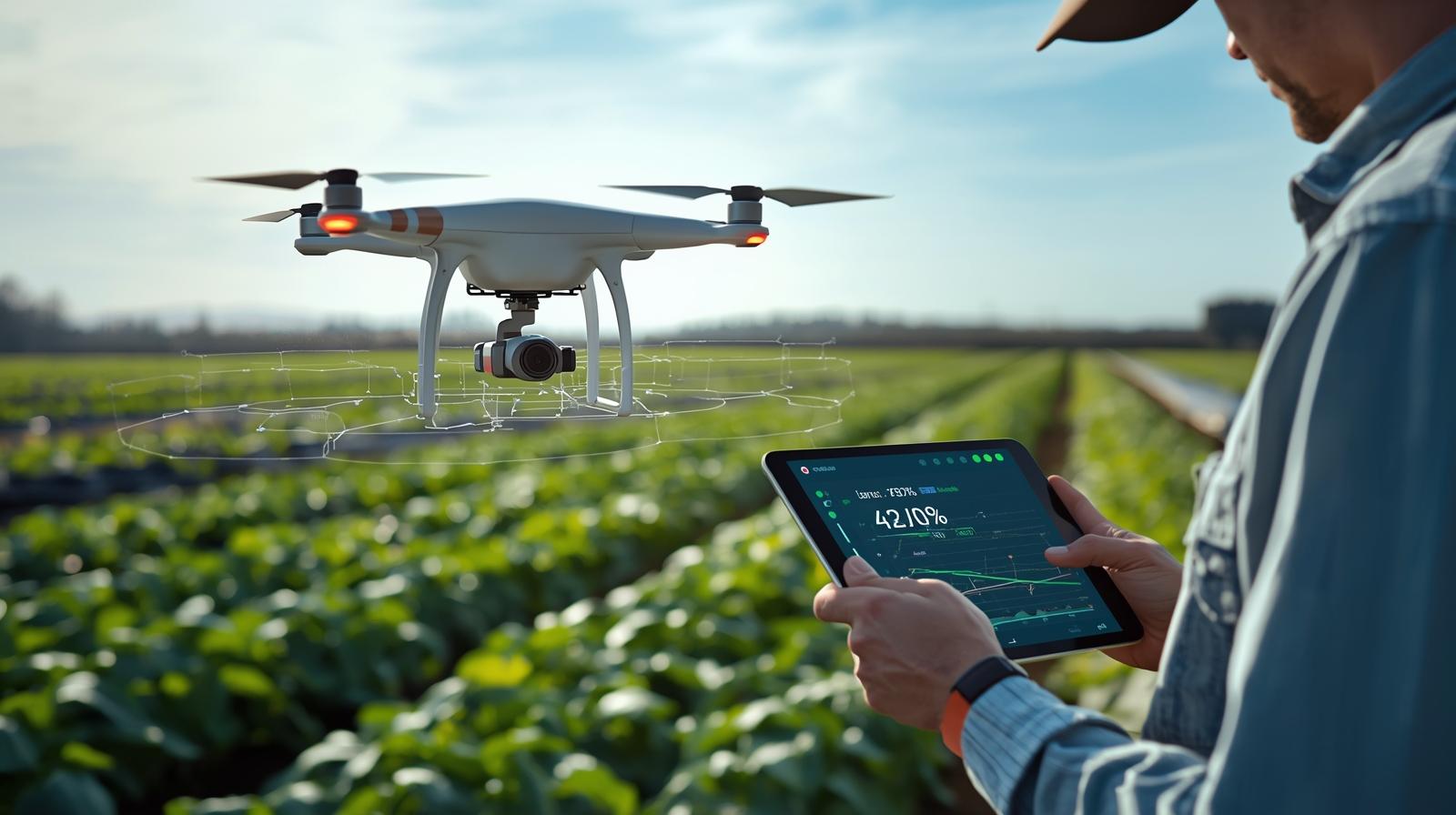
The core objective of integrating IoT into agriculture is to optimize processes at every stage. Farmers can now monitor their fields and livestock with unprecedented precision and granular detail. This is a significant departure from traditional farming methods that often relied on estimates and manual observations. The Agriculture IoT Market provides real time insights that empower farmers to act proactively. They can respond to changing conditions in the soil, crops, and atmosphere almost instantly. This level of control was unimaginable just a few decades ago. The adoption of these technologies is no longer a luxury but a necessity for modern agricultural businesses. It is essential for meeting the food demands of a growing global population sustainably.
This article will provide a detailed exploration of the Agriculture IoT Market in the farming industry. We will delve into the key technologies that form the backbone of this revolution. We will examine the tangible benefits that farmers are experiencing worldwide. The discussion will also cover the significant challenges that hinder wider adoption of these smart solutions. Furthermore, we will analyze the current market landscape and its key players. Finally, we will look ahead to the promising future trends that will shape the next generation of farming. Understanding this dynamic market is crucial for anyone involved in the agricultural value chain.
Defining IoT in the Agricultural Context
The Internet of Things in agriculture refers to the use of interconnected smart devices. These devices collect, transmit, and analyze data from the farming environment. A typical Agriculture IoT system consists of several key components working in harmony. Sensors are deployed across fields to measure parameters like soil moisture and temperature. These sensors form the data collection layer of the entire IoT ecosystem. They are the eyes and ears of the modern smart farm, providing constant feedback. This data is then sent to a central platform for processing and analysis through connectivity protocols.
The connectivity options are a critical part of the Agriculture IoT Market infrastructure. Different technologies like LPWAN, cellular networks, and satellite communications are used. The choice depends on factors like farm size, location, and data requirements. Once the data is collected and transmitted, the next step is processing and analysis. This is where cloud platforms and sophisticated algorithms come into play. They turn raw data into actionable insights for the farmer. These insights can be accessed through user friendly dashboards on computers or mobile phones. This allows for remote monitoring and control of various farm operations from anywhere.
The final component is the actuation layer, which enables automated actions. Based on the insights from the data, devices can be triggered to perform specific tasks. For instance, an IoT system can automatically activate irrigation systems when soil moisture drops below a certain threshold. It can control greenhouse climate systems to maintain optimal growing conditions. It can even alert a farmer to the health issues of a specific animal in a large herd. This closed loop system of sensing, analyzing, and acting defines the power of the Agriculture IoT Market. It creates a responsive and intelligent farming operation that maximizes output and minimizes waste.
Key Technologies Driving the Agriculture IoT Market
Several groundbreaking technologies are propelling the growth of the Agriculture IoT Market in the farming industry. Smart sensors are arguably the most fundamental element of this technological stack. They are deployed in the soil to monitor moisture levels and nutrient content. Sensors are also attached to livestock to track their health and location. Environmental sensors measure air quality, humidity, and light intensity. This vast network of sensors creates a comprehensive digital map of the entire farm. The data they provide is the essential fuel for all subsequent analysis and automation.
Drones and unmanned aerial vehicles represent another pivotal technology. They offer a bird’s eye view of the farm, capturing high resolution images and data. Drones can be equipped with multispectral or thermal cameras to assess crop health. They can identify pest infestations or areas of water stress long before they are visible to the naked eye. This allows for targeted interventions, saving both time and resources. Drones are also used for precision spraying of fertilizers and pesticides, reducing chemical usage. They can even be used for planting seeds in certain types of terrain, showcasing their versatility.
GPS technology and variable rate technology are central to precision farming. GPS enables the precise mapping of fields and guides autonomous tractors and machinery. This ensures that operations like plowing and harvesting are done with extreme accuracy. Variable rate technology uses data from sensors and maps to apply inputs at variable rates across a field. Instead of uniformly applying water or fertilizer, VRT applies the right amount in the right place. This technology is a direct application of insights generated by the Agriculture IoT Market. It is a prime example of how data translates into more efficient and sustainable farming practices.
Major Applications and Use Cases
The applications of the Agriculture IoT Market are diverse and impact every facet of farming. Precision farming is one of the most prominent applications of these technologies. It involves managing variations within a field to maximize crop yield and profitability. IoT sensors provide the data needed to understand these variations. Farmers can create precise application maps for water, seeds, and fertilizers. This approach significantly reduces waste and environmental impact. It also leads to healthier crops and improved soil quality over the long term.
Livestock monitoring is another critical application of IoT in the farming industry. Sensors attached to animals can track their location, activity levels, and vital signs. This data helps in early detection of illnesses, allowing for prompt treatment and preventing the spread of disease. It can also monitor feeding patterns and reproductive cycles, optimizing herd management. For large ranches, geofencing alerts farmers if an animal strays from its designated area. This improves animal welfare and reduces labor costs associated with manual monitoring. The result is a more productive and sustainable livestock operation.
Smart greenhouses are a controlled environment agriculture model revolutionized by IoT. Traditional greenhouses rely on manual intervention for climate control. IoT enabled greenhouses use a network of sensors to continuously monitor climatic parameters. These parameters include light levels, humidity, temperature, and soil moisture. The system can then automatically adjust shades, fans, and irrigation to maintain ideal conditions. This eliminates human error and ensures optimal plant growth throughout the year. It leads to higher quality produce and greater resource efficiency, making it a key growth segment within the Agriculture IoT Market.
Tangible Benefits of Adopting IoT in Farming
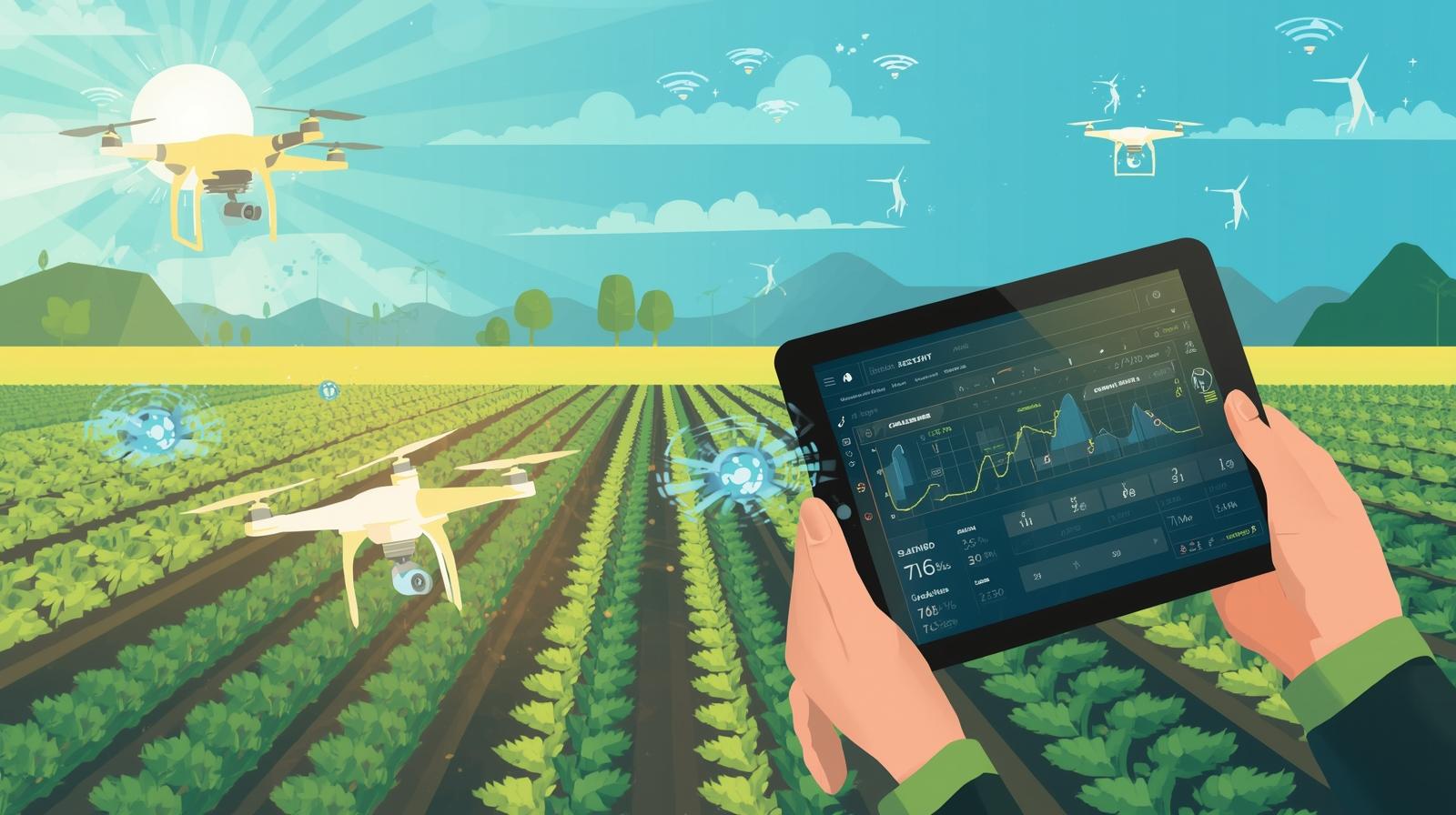
The adoption of IoT solutions from the Agriculture IoT Market delivers immense and measurable benefits. One of the most significant advantages is the enhancement of resource use efficiency. Water and fertilizers are among the largest costs for any farming operation. IoT systems provide precise data on where and when these resources are needed. This prevents over irrigation and over fertilization, leading to substantial cost savings. It also conserves vital resources, contributing to the long term sustainability of the farm. Efficient resource use is both an economic and environmental imperative for modern agriculture.
Increased crop yields and improved quality are direct outcomes of precise farm management. By monitoring crops closely, farmers can ensure that plants receive exactly what they need to thrive. Early detection of stress or disease allows for quick remediation, minimizing crop loss. The data driven approach leads to healthier plants and higher overall productivity. Furthermore, the ability to monitor and control conditions throughout the supply chain improves post harvest quality. This can lead to better market prices and reduced food waste, strengthening the entire agricultural economy.
The Agriculture IoT Market also enables enhanced risk management and predictability for farmers. Weather stations and sensors provide hyper local forecasts and real time alerts for frost or storms. This allows farmers to take protective measures for their crops in time. Data analytics can also help predict market trends and optimal harvesting times. Furthermore, automated systems reduce the reliance on manual labor, which is often scarce and expensive. This automation leads to greater operational efficiency and allows farm managers to focus on strategic decision making rather than repetitive tasks.
Challenges and Barriers to Widespread Adoption
Despite its potential, the expansion of the Agriculture IoT Market faces several significant challenges. The high initial investment cost is a major barrier, especially for smallholder farmers. The cost of sensors, drones, connectivity, and software platforms can be prohibitive. Many farmers operate on thin margins and cannot afford the upfront capital expenditure. This creates a digital divide where larger agribusinesses can adopt technology faster than small farms. Finding financing models and cost effective solutions is crucial for democratizing access to IoT in the farming industry.
The issue of connectivity and infrastructure is another critical hurdle. Many agricultural areas, particularly in developing regions, lack reliable internet connectivity. IoT devices depend on a stable connection to transmit data to the cloud. Without robust network coverage, the entire system fails to function effectively. While solutions like LPWAN and satellite communication exist, they add to the cost and complexity. Ensuring reliable and affordable connectivity in rural areas is a prerequisite for the global growth of the Agriculture IoT Market. This requires collaboration between technology providers and governments.
Data security and privacy concerns also pose a significant challenge for potential adopters. IoT systems generate vast amounts of sensitive data about farm operations and yields. Farmers are rightly concerned about who owns this data and how it might be used. There are risks of data breaches or misuse by third party service providers. Establishing clear data governance frameworks and robust cybersecurity measures is essential. Building trust among farmers is paramount for the continued growth and success of the Agriculture IoT Market in the farming industry. Without trust, adoption rates will remain stagnant.
The Current Market Landscape and Key Players
The global Agriculture IoT Market is experiencing rapid growth and is highly competitive. It is characterized by the presence of both established technology giants and innovative startups. Major players like John Deere, IBM, and Cisco Systems are leading the charge. These companies offer integrated platforms that combine hardware and software solutions. For example, John Deere provides farm machinery equipped with sensors and data analytics capabilities. IBM offers its Watson decision platform for agriculture, leveraging artificial intelligence.
The market is also teeming with specialized startups focusing on niche applications. These companies develop solutions for specific problems like crop scouting or livestock health. This diversity fosters innovation and drives the entire Agriculture IoT Market forward. The competitive landscape is dynamic, with frequent partnerships and acquisitions. Technology companies often collaborate with agricultural equipment manufacturers to create seamless solutions. This synergy is essential for developing products that are both technologically advanced and practically useful for farmers.
Geographically, North America currently holds a significant share of the Agriculture IoT Market. This is due to early technology adoption, large farm sizes, and strong support infrastructure. However, the Asia Pacific region is expected to witness the fastest growth in the coming years. Factors driving this growth include increasing government initiatives and a pressing need to improve food security. Europe is also a substantial market, with a strong focus on sustainable farming practices and regulations. The global nature of this market highlights its universal relevance to the future of the farming industry.
Future Trends Shaping the Agriculture IoT Market
The future of the Agriculture IoT Market in the farming industry is incredibly promising. The integration of Artificial Intelligence and machine learning will be a major game changer. While IoT provides the data, AI provides the intelligence to make sense of it. AI algorithms can predict crop yields, identify diseases with greater accuracy, and provide prescriptive advice. This moves farming from a reactive to a predictive and preventive model. The synergy between IoT and AI will unlock new levels of automation and efficiency that are currently unimaginable.
The emergence of farming as a service is another exciting trend facilitated by IoT. Instead of purchasing expensive equipment, farmers can subscribe to data analytics services. They can pay for drone based field imagery or automated irrigation scheduling on a per use basis. This model lowers the barrier to entry for many farmers, making advanced technology more accessible. The Agriculture IoT Market will likely see a growth in these service oriented business models. This shift aligns with the broader trend of the subscription economy, transforming how farmers access and pay for technology.
Blockchain technology is also poised to integrate with IoT to enhance food traceability. IoT sensors can track a food product’s journey from the farm to the consumer’s table. This data can be recorded on an immutable blockchain ledger. Consumers can scan a QR code to see the entire history of a product, including its origin and growing conditions. This builds consumer trust and adds tremendous value to the supply chain. It also helps in quickly identifying the source of contamination in case of a food safety issue, protecting public health and brand reputation.
The agriculture IoT market is expected to be valued at USD 8.86 billion in 2025 and USD 12.61 billion by 2030, registering a CAGR of 7.3% during the forecast period.
Download PDF Brochure @ https://www.marketsandmarkets.com/pdfdownloadNew.asp?id=199564903
A Smarter, More Sustainable Future
In conclusion, the Agriculture IoT Market is fundamentally reshaping the farming industry. It represents a paradigm shift from intuition based decisions to data driven precision agriculture. The benefits of increased efficiency, higher yields, and sustainable resource management are undeniable. Technologies like smart sensors, drones, and data analytics are at the heart of this transformation. They empower farmers to produce more food with fewer resources, a critical goal for our planet. The journey towards fully connected smart farms is well underway, driven by continuous innovation.
However, for the Agriculture IoT Market to reach its full potential, existing challenges must be addressed. Making technology affordable and accessible to all farmers, regardless of scale, is essential. Improving rural connectivity and building robust data security frameworks are non negotiable steps. Collaboration between governments, technology providers, and the agricultural community is key to overcoming these hurdles. The future will be shaped by the convergence of IoT with other transformative technologies like AI and blockchain. This convergence will create an even more intelligent and transparent agricultural ecosystem.
The Agriculture IoT Market is not just about technology for technology’s sake. It is about building a resilient and sustainable future for the global food system. It offers a powerful toolkit to combat hunger, conserve our environment, and ensure economic viability for farmers. As the market continues to evolve, it promises to usher in an era of unprecedented productivity and responsibility in the farming industry. Embracing this revolution is no longer an option but a necessity for feeding the world of tomorrow.
Explore In-Depth Semiconductor & Electronics Market Research:
https://www.marketsandmarkets.com/semiconductorand-electonics-market-research-87.html
Frequently Asked Questions
What is the Agriculture IoT Market in the farming industry?
The Agriculture IoT Market refers to the ecosystem of connected devices, sensors, and software platforms used in farming. These technologies collect and analyze data from the field to optimize operations like irrigation, fertilization, and livestock management, leading to what is known as smart farming.
What are the main benefits of using IoT in agriculture?
The key benefits include significant increases in resource efficiency, leading to cost savings on water and fertilizers. It also results in higher crop yields and improved quality, enables better risk management through data, and allows for the automation of manual tasks, boosting overall farm productivity.
What are the biggest challenges facing the adoption of Agriculture IoT?
The primary challenges are the high initial investment cost, which can be a barrier for small farms. Another major issue is the lack of reliable internet connectivity in many rural areas. Finally, concerns regarding data security, privacy, and ownership also hinder wider adoption.
Which companies are leading the Agriculture IoT Market?
The market includes established technology and agriculture giants like John Deere, IBM, Cisco, and Trimble. It also features a vibrant ecosystem of specialized startups focused on specific applications such as drone imagery, soil sensing, and livestock monitoring.
How will AI and Blockchain integrate with Agriculture IoT in the future?
AI will be used to analyze the vast data from IoT sensors for predictive insights on yields and diseases. Blockchain will integrate with IoT to create transparent and tamper proof records of a food product’s journey from farm to fork, enhancing traceability and consumer trust.
See The Latest Semiconductor Reports:
Silicon Carbide Market Size, Share & Analysis : https://www.marketsandmarkets.com/Market-Reports/silicon-carbide-electronics-market-439.html
Microdisplay Market Size, Share & Trends : https://www.marketsandmarkets.com/Market-Reports/micro-displays-market-430.html
Warehouse Management System (WMS) Market Size, Share & Trends : https://www.marketsandmarkets.com/Market-Reports/warehouse-management-system-market-41614951.html
AI Inference Platform-as-a-Service (PaaS) Market Size, Share & Trends : https://www.marketsandmarkets.com/Market-Reports/ai-inference-platform-as-a-service-paas-market-102780827.html
Access Control Market Size, Share & Trends: https://www.marketsandmarkets.com/Market-Reports/access-control-market-164562182.html
