The North America home automation system market has witnessed rapid growth and transformation over the past decade, driven by rising consumer interest in smart technologies, increasing internet penetration, and the proliferation of connected devices. Home automation systems — which integrate technologies such as smart lighting, thermostats, security systems, voice assistants, and appliance control into a unified ecosystem — have become mainstream in modern households across the United States, Canada, and Mexico. As consumers increasingly prioritize comfort, energy efficiency, safety, and convenience, the market continues to expand in both residential and commercial segments.
Download PDF Brochure @ https://www.marketsandmarkets.com/pdfdownloadNew.asp?id=215001073
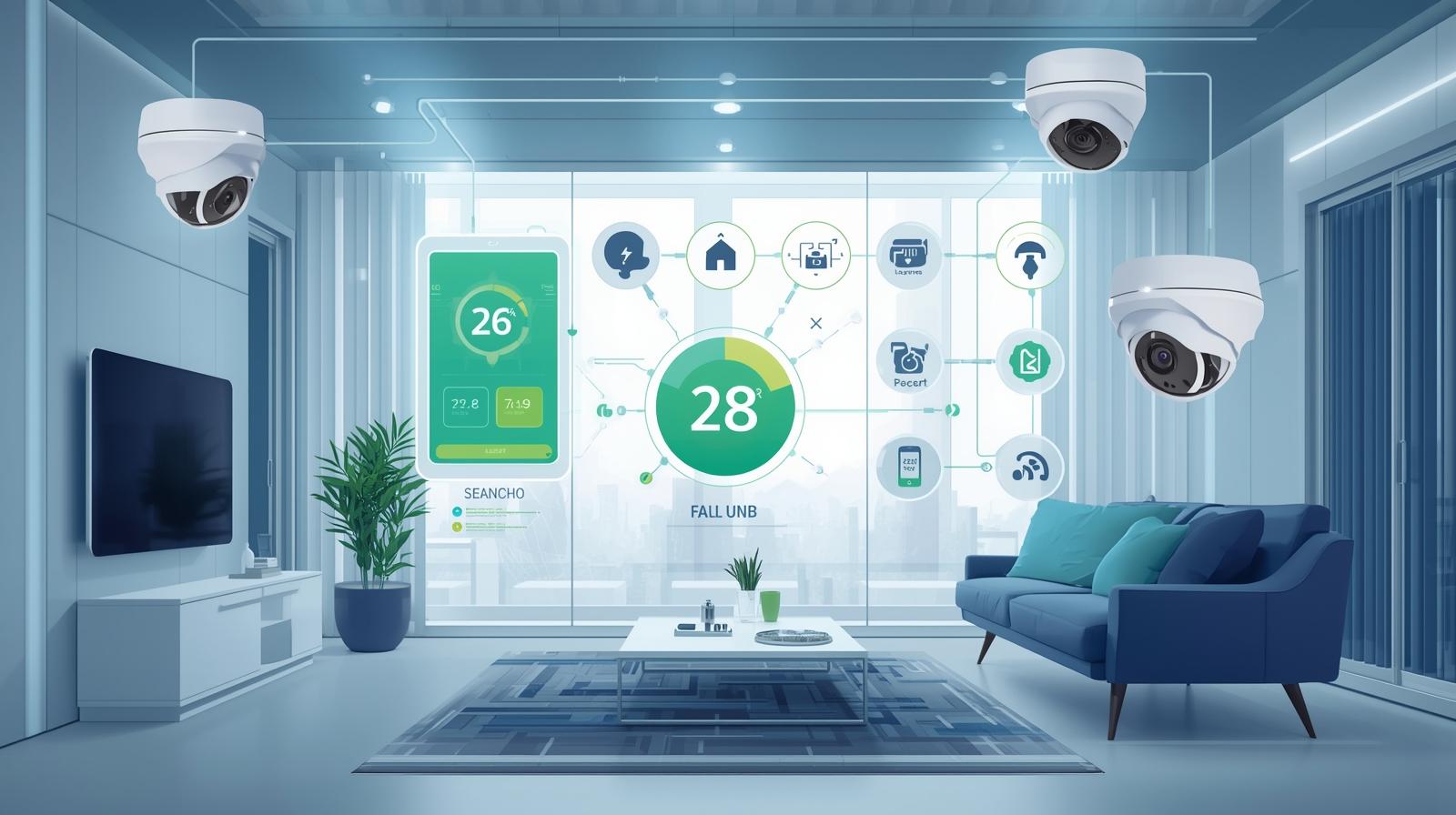
In terms of market size, North America represents one of the largest regional markets for home automation systems globally. The region’s strong economic base, high disposable income levels, and early adoption of advanced technologies have propelled widespread adoption of smart home solutions. According to industry estimates, the market has achieved substantial revenues in recent years, with projections pointing to robust growth through the mid-2020s and beyond. Residential installations account for the majority of market share, with smart security and comfort systems such as smart locks, surveillance cameras, smart thermostats, and automated lighting among the most widely adopted products. Connected entertainment and voice-controlled devices also contribute significantly to market revenues, reflecting broader consumer demand for seamless digital experiences.
The share of North America in the global home automation system market is notable, with the United States acting as the dominant contributor. High technology adoption rates, a well-developed retail and e-commerce infrastructure, and aggressive marketing by leading technology companies have positioned the U.S. at the forefront of smart home adoption. Canada follows closely, with growing consumer interest in smart energy management and connected security solutions. Mexico is also showing increasing uptake, particularly in urban centers where connectivity infrastructure and consumer demand for digital convenience are accelerating market penetration.
Several key factors are driving the growth of the home automation system market in North America. One of the most significant is the increasing focus on home security and safety. Smart security solutions, including video doorbells, motion sensors, smart locks, and connected alarm systems, provide real-time monitoring and remote access control, offering homeowners peace of mind and enhanced protection. These solutions are particularly appealing in urban and suburban regions where concerns about property security are high. The ability to monitor properties remotely via smartphones or integrated smart home hubs remains a powerful motivator for adoption.
Energy efficiency and cost savings are also major growth drivers. Smart thermostats, automated lighting systems, and connected energy monitoring tools help homeowners optimize energy consumption and reduce utility bills. By learning user behavior and adjusting systems automatically, these technologies deliver both comfort and economic benefits. Additionally, government incentives and utility rebate programs for energy-efficient technologies have encouraged households to invest in smart home solutions that promote sustainability and lower long-term energy costs.
Another key driver is the increasing integration of artificial intelligence (AI) and machine learning into home automation platforms. AI-enabled systems provide adaptive automation capabilities, such as predictive climate control, personalized routines, and enhanced voice recognition. Voice-activated assistants such as Amazon Alexa, Google Assistant, and Apple Siri have made smart home control more intuitive and accessible, helping to expand the market among users who may be less technically inclined. The convergence of these intelligent systems with Internet of Things (IoT) connectivity has significantly enhanced user experience and expanded the scope of automation possibilities.
The competitive landscape of the North America home automation system market features a diverse array of players, including major technology companies, dedicated smart device manufacturers, and service providers. Industry giants such as Amazon, Google, Apple, Samsung SmartThings, and Honeywell have invested heavily in platform development, interoperability, and ecosystem expansion. These companies compete alongside niche providers and startups that offer specialized solutions in areas such as smart security, energy management, and connected appliances. Strategic partnerships, product innovation, and ecosystem development continue to shape competitive dynamics, enabling vendors to differentiate offerings and capture greater market share.
Looking ahead, future opportunities in the North America home automation system market are substantial. One emerging area of growth lies in the integration of smart homes with electric vehicle (EV) charging systems and residential renewable energy solutions such as solar and energy storage. As consumers increasingly adopt EVs and distributed energy resources, there is a growing demand for home energy management systems that can optimize both vehicle charging and household energy use. These integrated solutions promise to enhance sustainability and further increase the value proposition of smart home technologies.
Another promising opportunity is the expansion of home automation systems into multi-family residential properties and smart buildings. Developers and property managers are beginning to offer pre-installed smart systems as part of new residential developments, creating new channels for market growth. Additionally, advancements in cybersecurity and data privacy protocols are expected to enhance consumer confidence in connected systems, addressing one of the key barriers to adoption. The aging population in North America also presents a future growth avenue through health-focused automation solutions. Smart home technologies that support independent living, emergency response, and remote health monitoring are gaining traction among older adults and caregivers. These solutions not only improve quality of life but also reduce the need for assisted living arrangements, offering both social and economic benefits.
For more info: https://www.marketsandmarkets.com/Market-Reports/north-america-home-automation-system-market-215001073.html
