The NDT and Inspection Industry Trends are increasingly being shaped by automation, artificial intelligence (AI), robotics, advanced sensing, and digital transformation. Industries such as oil and gas, aerospace, power generation, automotive, manufacturing, construction, and infrastructure rely on nondestructive testing (NDT) and inspection technologies to identify defects, monitor asset conditions, and maintain operational safety without damaging critical components.
The NDT and inspection market is projected to grow from USD 14.99 billion in 2025 to USD 22.34 billion by 2030, registering a CAGR of 8.3%. Key growth drivers include increasingly stringent safety regulations focused on public safety, asset integrity, and product quality across industries such as oil & gas, aerospace, and power generation. The growing integration of AI, IoT, and digital twin technologies is improving inspection accuracy, enabling real-time asset monitoring, and minimizing operational downtime. In addition, the rising need for structural health monitoring of aging infrastructure and advancements in portable, compact, and miniaturized NDT equipment are creating significant growth opportunities. Extensive infrastructure development across Asia Pacific, Europe, and South America, combined with expansion in the power generation and renewable energy sectors, is further accelerating the adoption of advanced NDT and inspection solutions.
As industrial assets become more complex and regulatory requirements become more demanding, organizations are moving beyond conventional inspection approaches toward connected, automated, and data-driven solutions. These developments are creating a new generation of NDT and Inspection Industry Trends centered on faster inspections, improved accuracy, predictive maintenance, and better use of inspection data.
Automation Is Reshaping NDT and Inspection
One of the most important NDT and Inspection Industry Trends is the growing adoption of automation. Traditional inspections often require skilled technicians to manually operate equipment, interpret results, and document findings. While human expertise remains essential, repetitive inspection activities can increasingly be supported by automated systems.
Automated inspection platforms can control scanning paths, collect measurements, identify anomalies, and generate digital inspection records. This can help reduce inspection time while improving consistency between inspections.
Robotic inspection systems are particularly valuable in environments that are hazardous, difficult to access, or physically demanding. Robots can be deployed for inspection of pipelines, storage tanks, bridges, aircraft structures, power-generation equipment, and other assets where sending personnel directly into the inspection area may create safety risks.
The combination of robotics and NDT technologies is therefore becoming a significant part of the industry’s digital transformation.
AI and Machine Learning Improve Defect Detection
Artificial intelligence is another major force behind current NDT and Inspection Industry Trends. AI and machine learning can analyze large volumes of inspection data and help identify patterns associated with defects or equipment deterioration.
Computer vision and deep-learning algorithms can assist with visual inspection by identifying cracks, corrosion, surface damage, weld imperfections, and other anomalies. In ultrasonic, radiographic, eddy-current, and other NDT applications, AI can support signal analysis and classification.
The goal is not necessarily to eliminate human inspectors. Instead, AI can function as an additional analytical layer that helps inspectors prioritize potential defects and make decisions more efficiently.
As AI models become more sophisticated and inspection datasets expand, organizations can increasingly use historical inspection information to improve detection accuracy and support condition-based maintenance programs.
Digital Transformation Connects Inspection Data
Digital transformation is changing how inspection information is collected, stored, analyzed, and shared. Previously, inspection records were often maintained in paper documents, spreadsheets, or isolated databases. Modern inspection workflows increasingly use cloud platforms, centralized asset-management systems, mobile applications, and digital reporting tools.
Connected inspection equipment can transfer results directly into enterprise systems, creating a more complete digital record of asset condition. This enables organizations to compare current findings with historical inspection results and identify changes over time.
The integration of NDT systems with enterprise asset management, computerized maintenance management systems, and digital twins can further increase the value of inspection data.
This represents a major shift in the NDT and Inspection Industry Trends landscape: inspection is increasingly becoming part of a continuous asset-management process rather than a standalone activity.
Download PDF Brochure @ https://www.marketsandmarkets.com/pdfdownloadNew.asp?id=882
Robotics Expand Inspection Capabilities
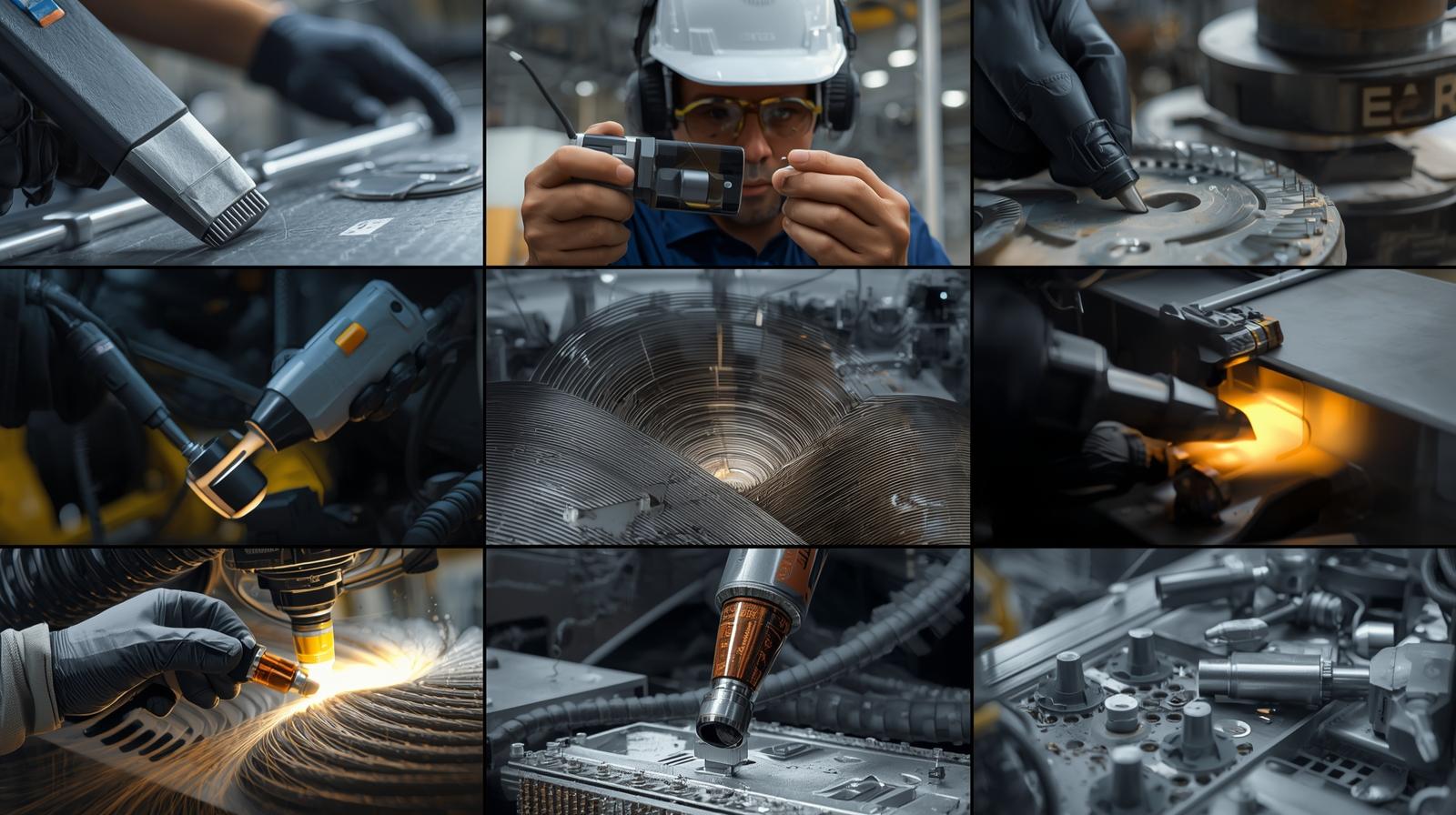
Robotics is one of the most visible developments across the modern NDT and inspection sector. Ground robots, drones, robotic crawlers, remotely operated vehicles, and autonomous inspection platforms can access areas that may be difficult or unsafe for humans.
Drones, for example, can support visual inspections of towers, bridges, roofs, pipelines, power infrastructure, and industrial facilities. They can capture high-resolution imagery and, when combined with AI, help identify potential defects.
Robotic crawlers can inspect pipelines, tanks, welds, and confined spaces while carrying ultrasonic, visual, magnetic, or other NDT sensors.
The growing combination of robotic mobility and advanced sensing is likely to remain a significant component of NDT and Inspection Industry Trends, particularly where companies are seeking to reduce downtime and improve worker safety.
Advanced NDT Technologies Gain Importance
The industry is also experiencing continued development in inspection technologies. Ultrasonic testing, radiographic testing, magnetic particle testing, liquid penetrant testing, eddy-current testing, and visual inspection remain important methods, but their capabilities are being enhanced through digital systems and advanced sensors.
Phased-array ultrasonic testing and full matrix capture techniques can provide detailed information about internal material conditions. Digital radiography can improve image management and facilitate electronic analysis. Advanced cameras and thermal imaging systems can support faster visual assessments.
These technologies are increasingly being integrated with automated scanning systems, AI-based analysis, and digital reporting platforms. The result is an inspection workflow that can collect richer datasets while reducing manual processing.
Predictive Maintenance Creates New Opportunities
One of the most important outcomes of these NDT and Inspection Industry Trends is the transition from reactive maintenance toward predictive and condition-based maintenance.
Traditional maintenance schedules may require equipment to be inspected or serviced at fixed intervals. Digital inspection systems can instead provide more detailed information about actual asset conditions.
When inspection results are combined with operational data, sensor information, maintenance history, and AI analytics, organizations can develop more accurate assessments of asset health.
This can help companies identify deterioration earlier, prioritize maintenance activities, and potentially reduce unexpected failures. For industries where equipment downtime can result in substantial financial losses, predictive inspection can provide significant operational value.
Digital Twins Enhance Asset Monitoring
Digital twins are emerging as another important component of digital inspection strategies. A digital twin creates a virtual representation of a physical asset and can incorporate information from engineering models, operational systems, sensors, maintenance records, and inspection results.
When NDT findings are connected to a digital twin, engineers can gain a more comprehensive understanding of how an asset changes over time.
For example, inspection data can be linked to specific components of a pipeline, aircraft, turbine, or industrial structure. Historical results can then be compared with new findings to visualize degradation and support maintenance planning.
As digital-twin adoption expands, inspection data will become increasingly valuable as part of broader asset intelligence platforms.
Cloud and Edge Computing Support Real-Time Inspection
Cloud computing is helping organizations centralize large volumes of inspection information. Inspection images, sensor readings, reports, and historical records can be stored in centralized environments and accessed by authorized teams across multiple locations.
At the same time, edge computing enables data to be processed closer to the inspection equipment. This can be especially valuable for real-time applications where sending all raw data to a remote cloud platform may introduce delays or require significant bandwidth.
A combination of edge and cloud computing can therefore provide both rapid local analysis and centralized long-term data management.
Mobile Inspection Platforms Improve Productivity
Mobile technologies are also contributing to the digitalization of NDT workflows. Inspectors can use tablets, smartphones, connected instruments, and specialized applications to capture results directly at the inspection site.
Digital checklists, automated reporting, barcode or QR-code asset identification, GPS information, photographs, and electronic signatures can simplify documentation.
These capabilities can reduce administrative work and improve the traceability of inspection activities. Mobile platforms also make it easier to share inspection results with engineers, maintenance teams, and management.
Sustainability and Safety Become Priorities
Safety remains a fundamental driver of NDT adoption, but sustainability is becoming increasingly important. Inspection technologies can help organizations extend the useful life of assets by identifying defects before they develop into major failures.
Longer asset lifecycles can reduce the need for premature replacement and potentially lower material consumption.
Remote inspection technologies can also reduce the need for scaffolding, shutdowns, travel, and other resource-intensive activities. Drones and robotic systems can inspect certain assets without requiring extensive temporary infrastructure.
Consequently, sustainability is becoming an increasingly relevant element of NDT and Inspection Industry Trends.
Industry-Specific Adoption
Different industries are adopting advanced inspection technologies according to their individual requirements.
Oil and Gas
Oil and gas operators use NDT to inspect pipelines, pressure vessels, storage tanks, refineries, and offshore facilities. Remote inspection and predictive analytics can help identify corrosion, cracks, leaks, and structural degradation.
Aerospace
Aerospace manufacturers and operators require extremely high inspection accuracy. NDT is used to evaluate aircraft structures, engines, composites, welds, and other components. Advanced imaging, ultrasonic technologies, automation, and AI are supporting more efficient inspection workflows.
Power Generation
Power plants rely on inspection technologies to monitor turbines, boilers, pressure vessels, pipelines, and other critical systems. Automated inspection can help reduce downtime during maintenance outages.
Automotive and Manufacturing
Manufacturers are increasingly integrating automated NDT into production environments. High-speed inspection systems can evaluate components without interrupting manufacturing processes, supporting quality control and reducing defects.
Infrastructure
Bridges, railways, roads, tunnels, and buildings require regular inspection to maintain safety and reliability. Drones, robotics, computer vision, and advanced imaging can improve the speed and coverage of infrastructure inspections.
Challenges Facing the Industry
Despite the significant potential of automation and AI, several challenges remain. Advanced inspection equipment can require substantial investment, and organizations may need to upgrade existing infrastructure before implementing fully digital workflows.
Data quality is another concern. AI models depend on high-quality training data that represents different materials, defect types, inspection conditions, and equipment configurations.
Cybersecurity is also becoming increasingly important as inspection equipment becomes connected to corporate networks and cloud platforms. Protecting sensitive asset information and ensuring system integrity will be essential.
Finally, skilled inspectors remain critical. Automated systems may improve productivity, but human expertise is still required to validate findings, interpret complex results, manage unusual conditions, and make engineering decisions.
Future Outlook
The future of the NDT and Inspection Industry Trends will be defined by greater integration between physical inspection technologies and digital intelligence. AI, robotics, computer vision, cloud computing, edge analytics, digital twins, and advanced sensors are expected to work together rather than operate as isolated technologies.
Inspection systems will increasingly become intelligent platforms capable of collecting data, identifying anomalies, comparing current conditions with historical records, and supporting maintenance decisions.
The industry is also likely to move toward greater autonomy. Robotic systems may conduct predefined inspection missions with limited human intervention, while AI-powered platforms assist with real-time defect recognition.
For companies operating large and complex asset portfolios, the value proposition will extend beyond simply detecting defects. The focus will increasingly be on understanding asset health, predicting deterioration, optimizing maintenance, reducing risk, and improving lifecycle performance.
Overall, automation, AI, and digital transformation are creating a significant evolution in the inspection sector. Organizations that successfully integrate advanced NDT technologies with digital asset-management strategies will be better positioned to improve safety, productivity, reliability, and operational efficiency.
The continuing development of these technologies ensures that NDT and Inspection Industry Trends will remain closely linked to the broader movement toward intelligent, connected, and predictive industrial operations.
The report profiles key players such as SGS Société Générale de Surveillance SA (SGS SA) (Switzerland), Bureau Veritas (France), Baker Hughes Company (US), Applus+ (Spain), Intertek Group plc (UK), MISTRAS Group (US), TÜV Rheinland (Germany), DEKRA (Germany), Evident (US), and Ashtead Technology (UK). These players have adopted various organic and inorganic growth strategies, such as product/service launches, agreements, partnerships, collaborations, acquisitions, and investments.
About MarketsandMarkets™
MarketsandMarkets™ has been recognized as one of America’s Best Management Consulting Firms by Forbes, as per their recent report.
MarketsandMarkets™ is a blue ocean alternative in growth consulting and program management, leveraging a man-machine offering to drive supernormal growth for progressive organizations in the B2B space. With the widest lens on emerging technologies, we are proficient in co-creating supernormal growth for clients across the globe.
Today, 80% of Fortune 2000 companies rely on MarketsandMarkets, and 90 of the top 100 companies in each sector trust us to accelerate their revenue growth. With a global clientele of over 13,000 organizations, we help businesses thrive in a disruptive ecosystem.
The B2B economy is witnessing the emergence of $25 trillion in new revenue streams that are replacing existing ones within this decade. We work with clients on growth programs, helping them monetize this $25 trillion opportunity through our service lines – TAM Expansion, Go-to-Market (GTM) Strategy to Execution, Market Share Gain, Account Enablement, and Thought Leadership Marketing.
Built on the ‘GIVE Growth’ principle, we collaborate with several Forbes Global 2000 B2B companies to keep them future-ready. Our insights and strategies are powered by industry experts, cutting-edge AI, and our Market Intelligence Cloud, KnowledgeStore™, which integrates research and provides ecosystem-wide visibility into revenue shifts.
To find out more, visit www.MarketsandMarkets™.com or follow us on Twitter , LinkedIn and Facebook .
Contact:
Mr. Rohan Salgarkar
MarketsandMarkets™ INC.
1615 South Congress Ave.
Suite 103, Delray Beach, FL 33445
USA: +1-888-600-6441
