The Smart Homes Market is undergoing a major transformation as connected devices, artificial intelligence (AI), Internet of Things (IoT), wireless connectivity, cloud platforms, and intelligent automation become increasingly integrated into residential environments. Smart homes are evolving from collections of individual connected devices into intelligent ecosystems that can coordinate lighting, security, heating and cooling, entertainment, appliances, healthcare, and energy consumption through centralized platforms and connected interfaces.
According to MarketsandMarkets, the global Smart Home Market is projected to reach USD 230.76 billion in 2026 and USD 450.20 billion by 2032, exhibiting a CAGR of 11.8%.
. Rising internet penetration, proliferation of connected smart devices, increasing disposable income in emerging economies, demand for remote home monitoring and control, and growing consumer emphasis on safety, security, convenience, and energy efficiency are supporting market expansion.
The transition toward connected living is also changing how consumers interact with their homes. Smartphones, voice assistants, smart displays, sensors, connected appliances, smart thermostats, cameras, and automated lighting systems are increasingly becoming part of integrated residential ecosystems. At the same time, smart energy management and low-carbon technologies are gaining importance as consumers seek to reduce energy consumption and operating costs.
Smart Homes Market Growth Drivers
Rising Adoption of Connected Devices and IoT
The proliferation of IoT-enabled devices is one of the primary factors driving the Smart Homes Market. Increasing internet availability and the widespread adoption of smartphones provide the connectivity infrastructure required for smart residential applications.
Consumers can connect lighting systems, security cameras, smart locks, thermostats, appliances, entertainment systems, and other devices to centralized platforms. This connectivity enables remote monitoring, automated control, real-time notifications, and personalized settings.
The expansion of IoT ecosystems is also encouraging manufacturers to develop products capable of communicating with multiple devices and platforms. As smart home ecosystems become more interconnected, consumers are moving beyond individual devices toward integrated solutions that can automate multiple household functions. MarketsandMarkets identifies rising internet penetration and the proliferation of connected smart devices as major drivers of market growth.
Increasing Demand for Smart Security
Safety and security are becoming increasingly important applications within the Smart Homes Market. Smart cameras, connected locks, video doorbells, motion sensors, alarm systems, access-control solutions, and remote monitoring platforms allow homeowners to monitor properties from virtually anywhere.
AI and computer vision are enhancing these capabilities by enabling intelligent detection and classification of events. Instead of simply recording video, advanced systems can identify people, vehicles, unusual movement, or other predefined events and provide alerts.
Smart security also benefits from cloud connectivity and mobile applications. Homeowners can receive notifications, view live video, manage digital locks, and control security systems remotely. The growing focus on safety, security, and convenience is therefore creating sustained demand for connected residential security solutions.
Growing Focus on Energy Efficiency
Energy management is emerging as another important growth area. Rising energy costs and increasing awareness of environmental sustainability are encouraging consumers to adopt smart thermostats, connected lighting, energy-monitoring systems, smart meters, and automated HVAC controls.
Smart home platforms can analyze energy consumption and automate devices according to occupancy, time, temperature, or electricity pricing. For example, smart HVAC systems can adjust heating and cooling based on household conditions, while intelligent lighting can automatically switch off when rooms are unoccupied.
Government initiatives supporting green buildings and energy-efficient construction are also creating opportunities for smart residential technologies. MarketsandMarkets identifies favorable government regulations promoting green buildings as an opportunity for the Smart Homes Market.
Smart Homes Market Trends
AI-Powered Home Automation
AI is transforming smart homes from remotely controlled environments into increasingly intelligent and adaptive ecosystems. AI-enabled systems can analyze user behavior, preferences, environmental conditions, and device data to automate household functions.
For example, AI can learn preferred temperature settings, lighting patterns, entertainment choices, and security routines. Machine learning can also support predictive maintenance by identifying unusual device behavior before a potential failure occurs.
The combination of AI and IoT is particularly significant because IoT devices generate large volumes of real-time data, while AI provides the analytical capabilities required to convert this data into actionable insights. MarketsandMarkets identifies AI-powered automation growth as a key factor supporting the Smart Homes Market.
Wireless Connectivity and Integrated Ecosystems
Wireless technologies are becoming central to smart home deployment because they simplify installation and support connectivity among a wide range of residential devices. MarketsandMarkets reports that the wireless segment accounted for approximately 64% of the Smart Home Market in 2025 by protocol and communication technology.
Wireless solutions are particularly important for retrofit installations because homeowners can add smart devices without extensive rewiring. This supports adoption in existing residential buildings where consumers want to modernize lighting, security, HVAC, or energy systems.
The market is also shifting from standalone devices toward integrated ecosystems. Consumers increasingly expect different devices to work together through a common application, voice assistant, control interface, or home automation platform.
Download PDF Brochure @ https://www.marketsandmarkets.com/pdfdownloadNew.asp?id=121
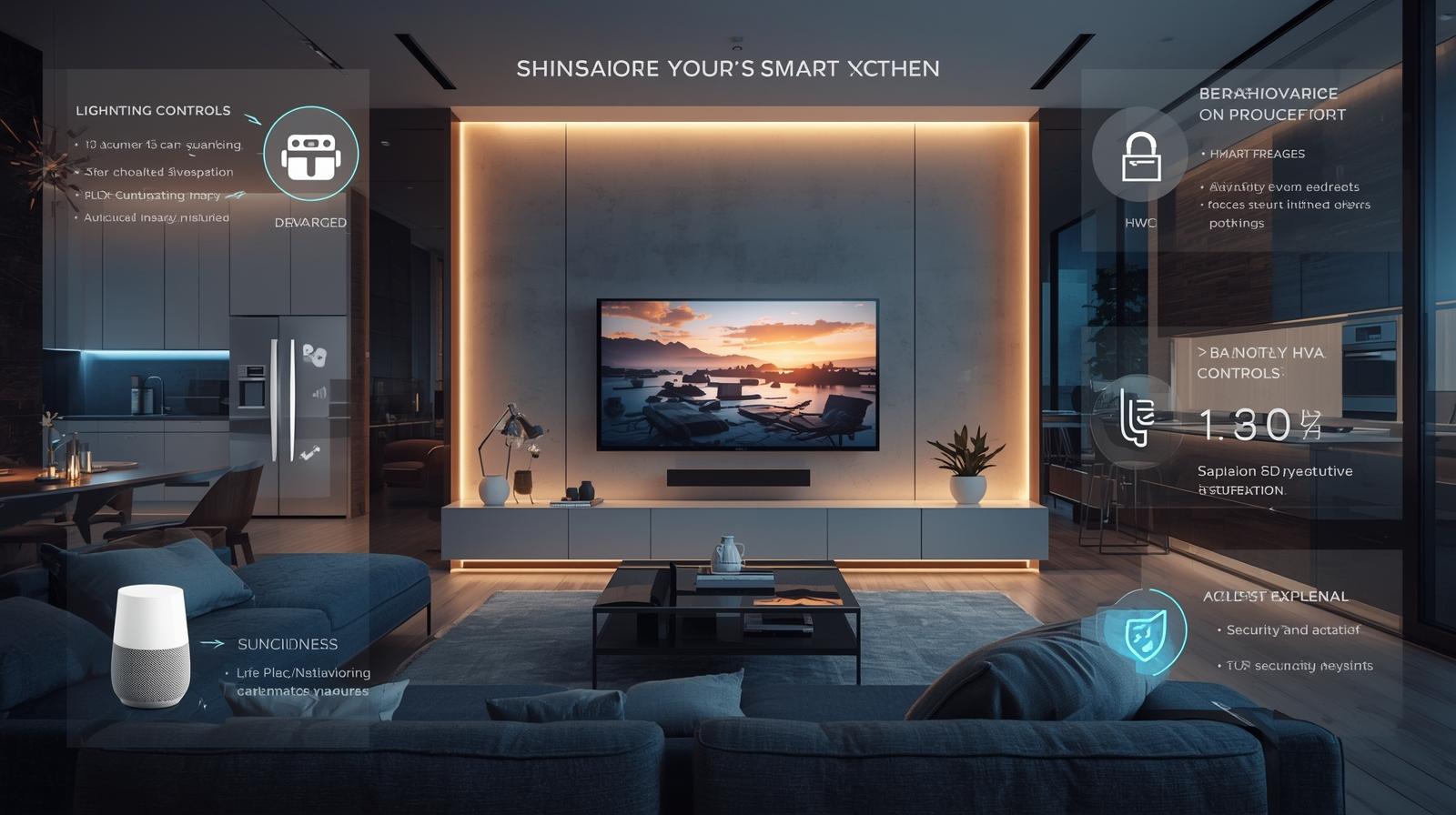
Smart HVAC and Intelligent Climate Control
Smart HVAC is becoming one of the fastest-growing product categories within the Smart Homes Market. MarketsandMarkets expects Smart Home HVAC to register the highest CAGR among product types, at approximately 20% during the forecast period.
Smart thermostats, connected air conditioners, heat pumps, ventilation systems, and environmental sensors can continuously monitor indoor conditions and automatically adjust temperature and airflow. Integration with occupancy sensors and energy-management platforms can further improve efficiency.
The growing emphasis on energy conservation and indoor comfort is likely to increase demand for intelligent climate-control technologies across both new installations and retrofit projects.
Smart Homes Market by Product Type
The Smart Homes Market includes smart lighting solutions, security and access control systems, smart HVAC systems, entertainment systems, healthcare solutions, smart kitchen appliances, smart home gadgets, and smart furniture.
Smart lighting solutions are increasingly incorporating sensors, wireless connectivity, scheduling, dimming, and AI-enabled automation. Security and access control systems include smart locks, cameras, sensors, alarms, and digital access technologies.
Smart HVAC systems are becoming increasingly connected to broader home automation platforms. Meanwhile, smart entertainment solutions include connected televisions, speakers, displays, and other devices that can be controlled through smartphones or voice interfaces.
Smart healthcare solutions represent another emerging opportunity. Connected health-monitoring devices and assisted-living technologies can help monitor conditions within the home while supporting remote care and wellness applications.
Smart Homes Market by Installation Type
The market can be categorized into new installations and retrofit installations. New installations allow smart technologies to be incorporated during the design and construction of residential properties. Builders and developers can integrate smart lighting, HVAC, security, energy management, and connectivity infrastructure from the beginning.
Retrofit installations are particularly important because they allow existing homes to adopt smart technologies without requiring complete reconstruction. MarketsandMarkets expects retrofit installations to register fast growth. Wireless devices, smart plugs, connected lighting, thermostats, security cameras, and smart locks can be deployed relatively easily in existing homes.
Smart Homes Market by Control Interface
Control interfaces are becoming an important element of the connected living experience. The Smart Homes Market includes smartphone and tablet applications, voice assistants, wall panels and switches, and wearables.
Smartphone applications provide centralized control and remote access, while voice assistants enable hands-free operation. Voice-controlled interfaces can be used to adjust lighting, change thermostat settings, operate entertainment systems, and manage other connected devices.
As AI-powered conversational interfaces become more sophisticated, voice and natural-language control could become increasingly important for smart home interaction.
Regional Outlook of the Smart Homes Market
Asia Pacific is expected to be the fastest-growing regional market, with MarketsandMarkets projecting a CAGR of approximately 17%. Growing internet penetration, expanding middle-class populations, increasing disposable incomes, urbanization, and rising adoption of connected technologies are supporting smart home deployment across the region.
Countries such as China, Japan, South Korea, and India are becoming important markets for smart residential technologies. The region also has a strong ecosystem of electronics manufacturers, technology companies, telecommunications providers, and smart-device suppliers.
North America and Europe remain important markets due to high levels of technology adoption, established smart home ecosystems, demand for home security, and increasing interest in energy-efficient solutions. Meanwhile, emerging markets are creating opportunities as connectivity infrastructure improves and smart devices become more affordable.
Opportunities in the Smart Homes Market
The transition toward energy-efficient buildings represents a significant opportunity. Smart lighting, HVAC automation, energy-monitoring systems, connected meters, and residential renewable-energy systems can help households optimize consumption.
Integration with rooftop solar, battery storage, electric vehicle charging, and home energy management systems could further expand the role of smart homes. A connected platform can coordinate energy generation, storage, consumption, and charging based on household requirements.
Another opportunity is the integration of smart homes with broader building automation and healthcare ecosystems. MarketsandMarkets highlights the expansion of smart home solutions into adjacent areas such as building automation and residential healthcare.
Challenges in the Smart Homes Market
Despite strong growth potential, the Smart Homes Market faces several challenges. High upfront costs for devices, installation, system integration, and upgrades can discourage adoption, particularly among price-sensitive consumers.
Cybersecurity and data privacy are also important concerns. Connected cameras, locks, appliances, speakers, and sensors generate and transmit data that could become targets for cyberattacks if systems are inadequately protected.
Interoperability remains another challenge. Devices from different manufacturers may use different protocols, platforms, or communication technologies, making seamless integration difficult. MarketsandMarkets identifies interoperability gaps and the lack of unified standards as a key challenge for smart home ecosystem development.
Dependence on reliable internet connectivity can also affect performance, particularly in regions where network infrastructure remains underdeveloped.
Competitive Landscape
The Smart Homes Market is highly competitive and includes companies from industrial automation, consumer electronics, security, HVAC, building technologies, and digital platforms. Key companies identified by MarketsandMarkets include Schneider Electric, Siemens, Amazon, Honeywell International, ASSA ABLOY, Johnson Controls, Robert Bosch, ADT, Daikin Industries, and ABB.
Competition is increasingly centered on integrated ecosystems rather than individual products. Companies are investing in AI, IoT connectivity, cloud platforms, energy management, cybersecurity, interoperability, and user-friendly control interfaces.
Startups and smaller technology companies are also contributing to innovation. MarketsandMarkets identifies Govee and Caavo among notable startups and SMEs in the market.
Future Outlook
The future of the Smart Homes Market will be defined by the convergence of AI, IoT, energy management, automation, wireless connectivity, and intelligent security. Smart homes are expected to become increasingly proactive rather than simply responsive, using data and AI to anticipate household requirements.
Energy optimization will remain an important area as consumers seek lower operating costs and greater sustainability. Smart HVAC, connected lighting, energy monitoring, solar integration, and automated demand management can create more efficient residential environments.
At the same time, smart security will continue evolving through AI-powered cameras, biometric access, connected locks, sensors, and real-time monitoring. The integration of these technologies into unified platforms will help move the market toward more seamless connected living.
With the global Smart Homes Market projected to increase from USD 230.76 billion in 2026 to USD 450.20 billion by 2032, the transition toward intelligent, connected, secure, and energy-efficient homes is expected to remain a major technology trend over the coming years.
Conclusion
The Smart Homes Market is moving beyond standalone connected products toward integrated residential ecosystems powered by AI, IoT, wireless connectivity, cloud computing, and automation. Connected living, smart security, intelligent HVAC, energy management, and remote monitoring are becoming central elements of the modern residential environment.
The combination of rising connectivity, consumer demand for convenience and security, energy-efficiency requirements, and technological innovation is creating significant opportunities for smart home technology providers. Although high costs, cybersecurity, connectivity dependence, and interoperability remain challenges, continued innovation in AI, wireless technologies, intelligent automation, and energy management is expected to strengthen the long-term growth of the Smart Homes Market.
As residential environments become increasingly connected and data-driven, smart home technology will play an important role in creating homes that are more automated, secure, comfortable, energy-efficient, and responsive to the needs of their occupants.
Frequently Asked Questions
1. What is the size of the Smart Homes Market?
According to MarketsandMarkets, the global Smart Home Market was valued at USD 230.76 billion in 2026 and is projected to reach USD 450.20 billion by 2032, growing at a CAGR of 11.8% from 2026 to 2032.
2. What are the major factors driving the Smart Homes Market?
Major growth drivers include increasing internet penetration, proliferation of connected devices, expanding IoT ecosystems, rising disposable income, demand for remote home monitoring, growing emphasis on safety and convenience, and increasing demand for energy-efficient and low-carbon smart home solutions.
3. Which region is expected to grow fastest in the Smart Homes Market?
Asia Pacific is projected to register the highest growth rate, with MarketsandMarkets estimating a CAGR of approximately 17% during the forecast period. Increasing connectivity, urbanization, technology adoption, and growing consumer spending are supporting regional growth.
4. Which smart home technology segment is expected to grow rapidly?
Smart HVAC is expected to register one of the fastest growth rates among product types, with MarketsandMarkets projecting a CAGR of approximately 20%. Demand is being supported by energy-efficiency requirements, intelligent climate control, and increasing integration of HVAC with connected home ecosystems.
5. What are the major challenges facing the Smart Homes Market?
Major challenges include high upfront costs, cybersecurity and data-security risks, dependence on reliable internet connectivity, interoperability gaps, lack of unified standards, and potential device malfunction. These factors can affect consumer confidence and the seamless integration of smart home ecosystems.
