Introduction to Security Screening Market Growth
The Security Screening Market Growth is gaining momentum as governments, transportation operators, commercial organizations, and critical infrastructure providers strengthen their security capabilities. Rising concerns about terrorism, illegal immigration, smuggling, unauthorized access, and other security threats are increasing the demand for advanced screening technologies. Organizations are investing in modern systems that can identify potential threats accurately while maintaining efficient movement of passengers, employees, vehicles, baggage, and cargo.
Security screening systems use technologies such as X-ray imaging, electromagnetic metal detection, biometric identification, spectrometry, and spectroscopy to detect prohibited items and verify identities. These systems are deployed across airports, railway stations, seaports, government facilities, industrial sites, educational institutions, commercial buildings, and public venues.
According to MarketsandMarkets, the global security screening market is projected to grow from USD 9.92 billion in 2025 to USD 13.80 billion by 2030, registering a compound annual growth rate (CAGR) of 6.8% during the forecast period. Growing investments in security infrastructure, technological advancements, and stricter security requirements are expected to support this expansion.
Artificial intelligence (AI), machine learning, automated threat detection, and advanced imaging are transforming how screening operations are conducted. These technologies help security personnel analyze information, identify suspicious objects, reduce false alarms, and improve operational efficiency. As security requirements become more complex, Security Screening Market Growth is expected to create opportunities for screening equipment manufacturers, software developers, and integrated security solution providers.
Key Drivers Shaping Security Screening Market Growth
Rising Global Security Threats and Terrorism Concerns
Increasing concerns about terrorism and evolving security threats remain significant drivers of Security Screening Market Growth. Airports, government buildings, transportation hubs, public venues, and critical infrastructure facilities require reliable systems to detect prohibited objects and reduce the risk of security breaches.
Traditional screening methods are increasingly being supplemented by advanced X-ray scanners, body scanners, electromagnetic metal detectors, and automated threat detection technologies. These systems help security teams inspect people, baggage, and cargo more effectively while supporting established security procedures.
The need for stronger security is also expanding beyond airports and government facilities. Shopping centers, stadiums, educational institutions, hotels, corporate offices, and industrial facilities are investing in screening equipment to protect visitors, employees, and physical assets.
Organizations are increasingly evaluating security solutions based on detection performance, processing speed, reliability, and integration with existing security infrastructure. This growing emphasis on preventive security measures is expected to sustain demand for modern screening systems.
Download PDF Brochure @ https://www.marketsandmarkets.com/pdfdownloadNew.asp?id=264685413
Increasing Investments in Airport and Transportation Security
Transportation infrastructure is a major source of demand for security screening technologies. Airports, seaports, railway stations, and public transportation networks must process large numbers of passengers and substantial volumes of baggage and cargo while maintaining appropriate security controls.
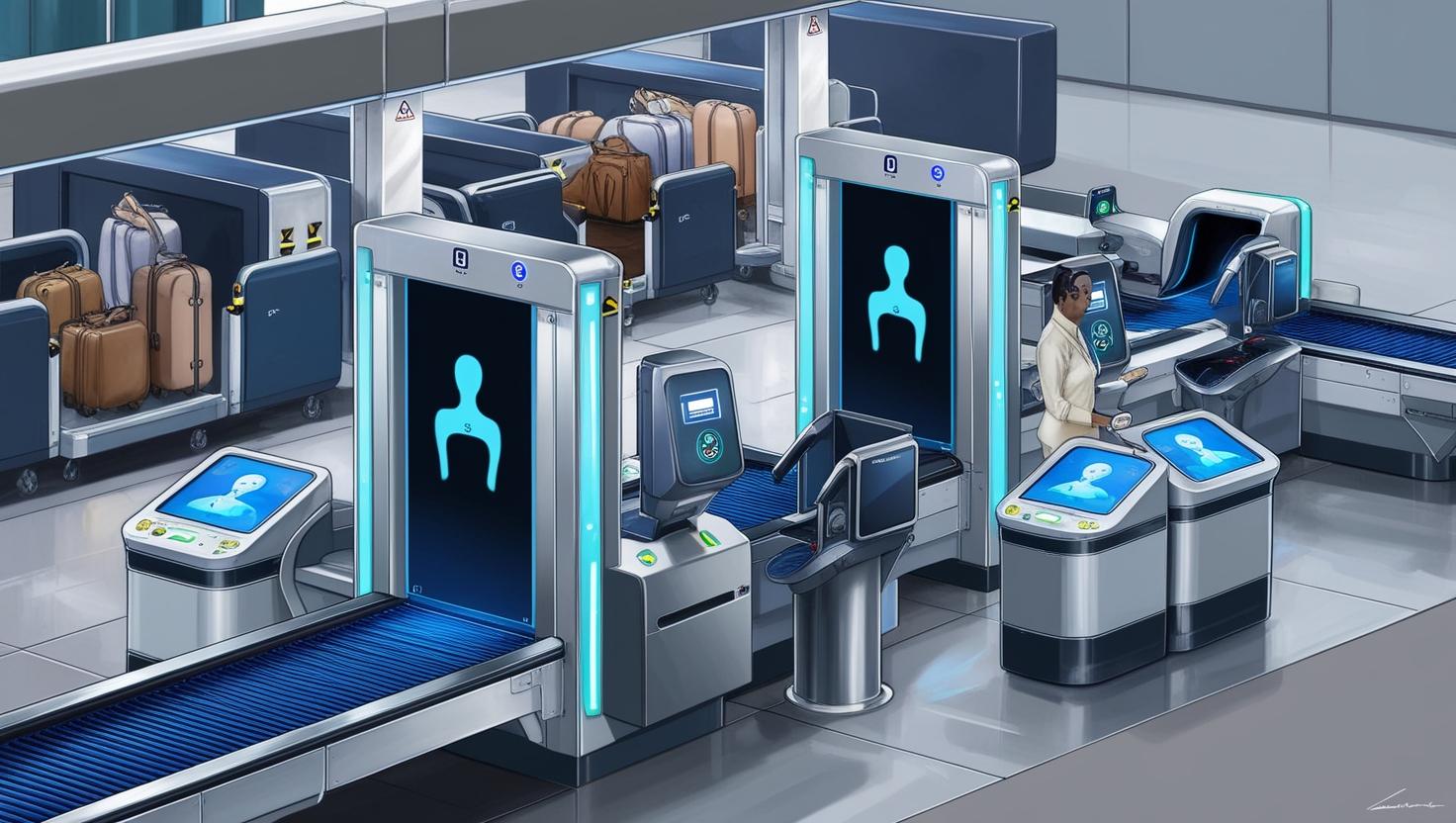
Rising passenger traffic and expanding transportation infrastructure are encouraging operators to upgrade existing screening equipment. Modern X-ray baggage scanners, computed tomography systems, body scanners, metal detectors, and explosive trace detection technologies can help improve inspection capabilities and support more efficient screening workflows.
Airports are also exploring automated screening lanes and AI-enabled image analysis to reduce manual workload and improve the consistency of threat identification. These technologies can help security personnel focus on suspicious items that require additional assessment.
The expansion of railway networks, urban transit systems, and international shipping infrastructure is creating further opportunities. As transportation operators prioritize safety and operational efficiency, investments in advanced screening technologies are expected to remain an important contributor to Security Screening Market Growth.
Stricter Government Regulations and Security Standards
Government regulations and security standards play an important role in shaping the demand for screening equipment. Airports, border checkpoints, public infrastructure facilities, and other regulated environments must comply with applicable security requirements and inspection procedures.
Regulatory changes can encourage organizations to replace outdated equipment, introduce more advanced inspection capabilities, and improve the reliability of existing security operations. Government initiatives focused on border protection, public safety, and critical infrastructure resilience can also support investment in screening technologies.
Biometric systems, automated identity verification, X-ray scanners, and advanced detection platforms are increasingly relevant in environments where identity checks and physical inspections must work together.
However, regulatory requirements vary by country, industry, and application. Security screening providers must therefore design solutions that meet applicable performance, safety, privacy, and data protection requirements. Companies that can demonstrate regulatory compliance and effective system integration may gain a competitive advantage.
AI and Automation: Transforming Security Screening Technologies
Artificial Intelligence and Machine Learning
Artificial intelligence is becoming an important technology driver in the security screening industry. AI-enabled systems can analyze screening images, identify suspicious patterns, prioritize alerts, and assist operators in distinguishing potentially dangerous objects from routine items.
Machine learning models can support automated image analysis and help improve screening workflows when trained, tested, and validated for the intended application. These capabilities can reduce the time required for certain inspection tasks and help operators manage high volumes of screening activity.
At busy airports and transportation hubs, AI-assisted screening can support faster image assessment and more consistent identification of objects that require additional inspection. Human operators remain essential for interpreting alerts, handling ambiguous cases, and making operational decisions.
The integration of AI with existing screening equipment also creates opportunities for software upgrades and system modernization. Instead of replacing all installed equipment, some organizations may improve capabilities through compatible analytics software and updated processing systems.
As security providers focus on accuracy, throughput, and operational efficiency, AI-powered screening solutions are expected to play an increasingly important role in Security Screening Market Growth.
Advanced X-Ray and Computed Tomography Systems
X-ray screening remains a fundamental technology for inspecting baggage, parcels, cargo, and other items. Modern systems provide detailed images that help operators identify objects that may require further investigation.
Computed tomography (CT) technology can generate three-dimensional representations of inspected items, providing additional information compared with conventional two-dimensional imaging. Depending on the application and system configuration, this capability can support improved analysis of complex baggage and cargo contents.
Technological advances in image processing, automated threat recognition, and system integration are helping screening providers develop more sophisticated inspection solutions. These improvements are particularly relevant in airports, logistics centers, and border facilities that must handle high inspection volumes.
The demand for advanced X-ray and CT screening systems is expected to benefit from airport modernization, cross-border trade, and the expansion of e-commerce logistics. Manufacturers that combine reliable detection performance with efficient processing and manageable operating costs can address the evolving needs of security operators.
Biometric Screening and Identity Verification
Biometric technologies are expanding the capabilities of security screening by enabling identity verification through physical or behavioral characteristics. Facial recognition, iris recognition, and fingerprint recognition can support identity checks in airports, border control facilities, government buildings, and other controlled-access environments.
Biometric systems can be integrated with identity documents, access control infrastructure, and automated processing gates to support more streamlined verification procedures. In transportation environments, these solutions can help manage passenger flows and reduce reliance on repetitive manual identity checks.
Governments and organizations are also exploring multimodal biometric systems that combine more than one identification method. The suitability of these systems depends on the required security level, operating conditions, data quality, and applicable regulations.
Despite their advantages, biometric screening technologies raise important concerns about consent, privacy, data storage, accuracy, and the risk of misidentification. Responsible deployment requires appropriate safeguards, transparent procedures, and compliance with relevant data protection laws.
Major Opportunities Supporting Future Demand
Expansion of Cargo Screening and E-Commerce Logistics
The growth of e-commerce and international trade is increasing the movement of parcels, freight, and cross-border shipments. Logistics operators must process these shipments efficiently while detecting prohibited goods, narcotics, explosives, and other potentially hazardous materials.
This creates opportunities for high-throughput X-ray scanners, automated cargo inspection systems, explosive trace detectors, and spectrometry-based technologies. Advanced screening solutions can help logistics providers inspect larger volumes of shipments while supporting operational requirements.
Air cargo terminals, seaports, customs facilities, and distribution centers are important potential customers for modern screening equipment. The need to manage security risks without causing unnecessary shipment delays is encouraging interest in automated inspection and intelligent image analysis.
As e-commerce networks expand and international supply chains become more complex, cargo screening is expected to remain a significant opportunity for companies operating in the security screening market.
Increasing Protection of Critical Infrastructure
Critical infrastructure facilities, including power plants, energy installations, water facilities, industrial sites, and communication infrastructure, require protection against unauthorized access and potential security incidents.
Screening systems can help control access to restricted areas and support the inspection of people, vehicles, and deliveries. Metal detectors, X-ray systems, biometric identification, and specialized inspection equipment can be deployed according to the facility’s risk profile and operating requirements.
Industrial operators are also integrating screening equipment with access control systems, video surveillance, visitor management platforms, and security operations centers. This integration can improve situational awareness and help security teams coordinate responses to potential threats.
Increasing attention to infrastructure resilience and business continuity is expected to create opportunities for screening solution providers across industrial, government, and commercial applications.
Modernization of Existing Screening Infrastructure
Many organizations operate screening equipment that may require upgrades to meet changing operational needs and security standards. Modernization can involve replacing outdated scanners, introducing AI-enabled software, improving image resolution, integrating biometric systems, or connecting screening equipment with centralized monitoring platforms.
Upgrades can be attractive when organizations need better performance but cannot completely replace their existing infrastructure. However, the feasibility of modernization depends on equipment compatibility, installation costs, maintenance requirements, and the availability of technical support.
Vendors that provide scalable systems, upgrade paths, training, and long-term maintenance services may be well positioned to benefit from this demand. The modernization of installed screening infrastructure will continue to contribute to market opportunities.
Security Screening Market Segmentation and Demand Patterns
By System Type
The security screening market includes several system categories designed for different inspection requirements.
- X-ray screening systems: These include X-ray body scanners, baggage scanners, handheld scanners, and cabinet X-ray systems used to inspect people and objects.
- Electromagnetic metal detection systems: Handheld and walkthrough metal detectors help identify metallic objects and are widely used in transportation facilities, public venues, and controlled-access environments.
- Biometric systems: Facial, iris, and fingerprint recognition technologies support identity verification and access management.
- Spectrometry and spectroscopy systems: These technologies can help identify selected chemical substances, trace materials, and other potential threats, depending on the detection method.
- Other screening technologies: Specialized inspection systems address application-specific requirements across transportation, government, industrial, and commercial environments.
MarketsandMarkets identifies X-ray screening systems as the largest system-type segment in 2025, while electromagnetic metal detectors are expected to register the highest growth rate during the forecast period. Their non-invasive operation, relative cost-effectiveness, and suitability for different public security environments support demand.
By Application
Security screening systems are deployed across people screening, baggage and cargo screening, and vehicle inspection.
People screening includes the inspection of passengers, employees, visitors, and other individuals entering controlled environments. Demand is supported by aviation security, public safety requirements, and the need to protect crowded facilities.
Baggage and cargo screening focuses on detecting prohibited or hazardous materials in luggage, parcels, freight, and shipments. Growth in air travel, global trade, and e-commerce logistics supports demand for these systems.
Vehicle inspection involves checking vehicles entering border facilities, government sites, industrial installations, and other sensitive locations. These solutions can help detect concealed items and support access control procedures.
People screening is expected to maintain the largest application share during the forecast period, according to MarketsandMarkets. The continued need to protect public spaces and manage passenger flows supports this segment.
By Vertical
Transportation is a major end-use vertical for security screening systems because of the need to inspect passengers, baggage, vehicles, and cargo. Airports and border checkpoints require advanced systems that balance effective threat detection with efficient processing.
Government facilities also represent an important market, particularly for identity verification, access control, and the protection of sensitive locations. Commercial buildings, retail facilities, hospitality venues, educational institutions, and industrial sites create additional demand as organizations strengthen physical security.
MarketsandMarkets expects the transportation vertical to register the highest CAGR during the forecast period. Airport modernization, rising passenger traffic, infrastructure development, and increasing attention to transportation security are important factors supporting its growth.
Regional Outlook for Security Screening Market Growth
Asia Pacific
Asia Pacific is expected to be the fastest-growing regional market for security screening technologies, with MarketsandMarkets projecting a CAGR of 8.3% during the forecast period.
Rapid urbanization, expanding airport and railway infrastructure, growing cross-border trade, and investments in public safety are contributing to regional demand. China, India, Japan, and other countries are strengthening screening capabilities across transportation facilities, government installations, and critical infrastructure.
India offers opportunities as airports, metro networks, logistics facilities, and public infrastructure continue to develop. Demand may increase for baggage scanners, walkthrough metal detectors, biometric systems, and integrated security platforms.
Vendors offering scalable equipment, local technical support, and solutions suited to high-throughput environments may benefit from infrastructure development across the region.
North America
North America is estimated to account for the largest share of the security screening market in 2025. Demand is supported by investments in airport and border security, the modernization of screening equipment, and the adoption of advanced detection technologies.
The region also has an established ecosystem of security equipment manufacturers, software providers, and technology integrators. Organizations are increasingly evaluating AI-enabled inspection, automated screening, and system upgrades to improve operational performance.
Future growth will depend on security investment priorities, regulatory requirements, infrastructure modernization, and the ability of vendors to deliver effective solutions with strong data protection and operational reliability.
Europe and Other Regions
Europe’s market is influenced by transportation security requirements, infrastructure modernization, border management, and data protection regulations. Airports, public transportation operators, and government agencies continue to require screening systems that balance effective inspection with passenger convenience and privacy.
Other regions also present opportunities as governments invest in transportation facilities, public safety infrastructure, and border security. However, adoption rates may vary based on infrastructure spending, local regulations, technology access, and available budgets.
Challenges Affecting Security Screening Market Growth
Despite favorable demand drivers, the market faces several challenges that can influence adoption and deployment decisions.
High Installation and Maintenance Costs
Advanced screening equipment can require substantial investment in hardware, software, installation, facility modifications, and employee training. Maintenance, calibration, technical support, and periodic upgrades add to the total cost of ownership.
These expenses may limit adoption among smaller organizations and facilities with restricted budgets. Manufacturers can address this challenge through modular systems, scalable solutions, and service models aligned with customer requirements.
Privacy and Health-Related Concerns
Some screening technologies raise questions about personal privacy, the handling of biometric information, and exposure to certain forms of imaging. Public acceptance can be affected when organizations do not clearly explain how screening data is collected, used, stored, and protected.
Manufacturers and operators must provide appropriate safeguards, communicate clearly with users, and comply with relevant safety and privacy requirements. Privacy-preserving image analysis and secure data handling can help build trust.
False Positives and Operational Delays
False alarms can trigger additional inspections, increase staff workload, and slow the movement of passengers or cargo. Screening systems must therefore balance detection sensitivity with reliable identification and efficient processing.
AI-assisted analysis, improved sensors, regular calibration, and operator training can help improve screening workflows. However, automated alerts still require appropriate validation and human review, particularly in high-risk situations.
Data Protection and Cybersecurity
Connected screening systems increasingly process images, identity information, and operational data. Protecting this information requires secure storage, encryption, access controls, software updates, and appropriate cybersecurity procedures.
Organizations must also account for applicable data protection regulations and the risks associated with integrating screening equipment into wider IT and security networks. Compliance can add implementation complexity, but robust security practices are essential to long-term adoption.
Competitive Landscape and Key Market Players
The security screening market includes established security technology providers, imaging specialists, detection equipment manufacturers, and companies offering integrated screening solutions. Competition is influenced by detection accuracy, throughput, reliability, software capabilities, regulatory compliance, and after-sales support.
Key companies identified by MarketsandMarkets include Smiths Detection Group Ltd., OSI Systems, Inc., Leidos, Thales, NEC Corporation, Teledyne Technologies, Bruker, Analogic, Astrophysics Inc., and LINEV Systems.
Companies are investing in product development, AI integration, advanced imaging, and automated detection to address changing security requirements. Strategic partnerships and technology collaborations can also help providers expand their portfolios and strengthen their geographic presence.
In addition to equipment sales, installation, system integration, maintenance, training, and software upgrades provide opportunities to build long-term customer relationships. Providers that combine reliable hardware with intelligent software and effective support services may be better positioned to compete.
Future Outlook for Security Screening Market Growth
The future of Security Screening Market Growth will be shaped by the convergence of AI, advanced imaging, biometric verification, automation, and connected security infrastructure. Organizations are increasingly seeking systems that can identify threats effectively while reducing unnecessary delays and supporting smoother passenger and cargo movement.
AI-enabled image analysis is expected to improve screening workflows, while advanced X-ray and CT technologies will support the inspection of complex baggage and shipments. Biometric systems may expand identity verification capabilities, and electromagnetic metal detectors will continue to serve a range of cost-conscious security applications.
The growing movement of passengers and goods, continued investment in critical infrastructure, and modernization of existing screening equipment are likely to support future demand. Asia Pacific is expected to offer attractive growth opportunities, while North America remains an important market for advanced security screening technologies.
Overall, Security Screening Market Growth reflects the increasing importance of proactive security, advanced threat detection, and operational efficiency across public and private environments. Companies that develop reliable, interoperable, and privacy-conscious solutions will be positioned to address evolving security requirements and capture opportunities in the expanding market.
