The global life sciences industry is increasingly turning to advanced cellular analysis technologies to accelerate drug discovery, improve therapeutic development, and support personalized medicine initiatives. Among these technologies, cell-based assays have emerged as indispensable tools for evaluating biological responses, drug efficacy, toxicity, and disease mechanisms.
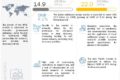
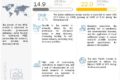
According to recent market research, the global Cell-Based Assays Market is projected to grow from USD 18.13 billion in 2025 to USD 25.77 billion by 2030, registering a CAGR of 7.3% during the forecast period. The market’s growth is being fueled by increasing pharmaceutical research activities, rising investments in drug discovery, growing cancer research programs, and the expanding adoption of personalized medicine approaches.
Understanding Cell-Based Assays
Cell-based assays are analytical techniques that utilize living cells to study biological activity, cellular responses, and the effects of drug candidates. These assays provide researchers with valuable insights into cellular mechanisms, enabling more accurate predictions of drug safety and efficacy compared to traditional biochemical assays.
Cell-based assays are widely used in:
- Drug discovery and development
- Toxicology testing
- Cancer research
- Stem cell research
- Immunology studies
- Personalized medicine applications
- Functional genomics
- Biopharmaceutical development
As pharmaceutical companies strive to improve research productivity and reduce drug development failures, the importance of cell-based assays continues to grow.
Download a PDF Brochure @ https://www.marketsandmarkets.com/pdfdownloadNew.asp?id=119917269
Key Drivers Fueling Market Growth
Rising Demand for Drug Discovery and Development
The growing burden of chronic diseases, cancer, neurological disorders, and infectious diseases has intensified the need for innovative therapeutics. Cell-based assays play a critical role in identifying potential drug candidates, evaluating therapeutic responses, and optimizing lead compounds during the drug development process.
Pharmaceutical and biotechnology companies increasingly rely on these assays to streamline research workflows and improve decision-making throughout the development pipeline.
Expanding Investments in Research and Development
Governments, academic institutions, and private organizations are significantly increasing investments in life sciences research. These investments support the development of advanced assay technologies and enable researchers to conduct more sophisticated cellular studies.
The expansion of research funding is expected to continue driving demand for high-performance cell-based assay platforms and consumables.
Advancements in Cancer Research
Cancer remains one of the leading causes of mortality worldwide, prompting substantial research efforts to develop targeted therapies and immunotherapies. Cell-based assays provide researchers with essential tools for studying tumor biology, drug resistance mechanisms, and treatment responses.
As oncology pipelines continue to expand, demand for cell-based assay technologies is expected to increase substantially.
Growing Focus on Personalized Medicine
The healthcare industry is moving toward personalized treatment approaches that consider individual patient characteristics, genetic profiles, and disease biology. Cell-based assays enable researchers to evaluate patient-specific responses to therapies, supporting the development of precision medicine strategies.
This growing emphasis on individualized healthcare is creating new opportunities for assay developers and technology providers.
Integration of Artificial Intelligence
Artificial intelligence is increasingly being integrated into cell-based research workflows. AI-powered image analysis, predictive modeling, and automated data interpretation are helping researchers extract deeper insights from complex cellular datasets.
The combination of AI and cell-based assay technologies is expected to enhance research efficiency, improve reproducibility, and accelerate therapeutic development.
Consumables Segment Dominates the Market
Based on offering, the market is segmented into:
- Consumables
- Instruments
- Software
- Services
Among these categories, the consumables segment accounted for the largest market share in 2024.
The consumables segment includes:
- Reagents
- Assay Kits
- Cell Lines
- Microplates
- Probes and Labels
- Other Laboratory Consumables
The dominance of this segment is largely attributed to the recurring demand for high-quality reagents and assay materials required for routine laboratory operations. Researchers depend on these products to generate reliable, accurate, and reproducible experimental results.
Additionally, the increasing development of cell-based therapies and regenerative medicine applications is expected to further strengthen demand for consumables over the coming years.
Pharmaceutical and Biopharmaceutical Companies Lead Adoption
By end user, pharmaceutical and biopharmaceutical companies represented the largest market segment in 2024.
Several factors are contributing to this leadership position:
Expanding Drug Development Pipelines
The growing number of biologics, biosimilars, gene therapies, and cell therapies under development requires sophisticated cellular testing platforms to assess efficacy and safety.
Rising Cancer Therapeutics Research
The increasing prevalence of cancer has intensified research efforts aimed at discovering novel oncology treatments, driving greater utilization of cell-based assays.
Increased Investment in Biopharmaceutical Innovation
Pharmaceutical companies continue to invest heavily in research and development programs designed to bring innovative therapies to market. These investments are fueling demand for advanced assay technologies across multiple therapeutic areas.
Personalized Medicine Initiatives
As companies develop more targeted treatments, cell-based assays are becoming essential tools for understanding patient-specific biological responses and identifying optimal therapeutic approaches.
Technology Innovations Reshaping the Market
Technological advancements continue to enhance the capabilities of cell-based assays.
Key technologies driving market growth include:
Flow Cytometry
Flow cytometry enables rapid analysis of cellular characteristics, including cell size, protein expression, viability, and immune responses. The technology remains widely used in immunology, oncology, and stem cell research applications.
High-Throughput Screening (HTS)
High-throughput screening platforms allow researchers to evaluate thousands of compounds efficiently, significantly accelerating drug discovery timelines and improving laboratory productivity.
Automated Imaging Systems
Advanced imaging technologies provide detailed visualization of cellular behavior, supporting more comprehensive biological analyses and reducing manual intervention.
AI-Driven Analytics
Machine learning algorithms are increasingly being used to process large-scale cellular datasets, identify patterns, and generate predictive insights that support research decision-making.
Asia Pacific Emerges as the Fastest-Growing Regional Market
The Asia Pacific region is expected to register the highest CAGR between 2025 and 2030.
Several factors are supporting this rapid growth:
Increasing Focus on Cell-Based Therapies
Countries across the region are investing heavily in regenerative medicine, stem cell research, and advanced biologics development.
Strong Government Support
Governments in China, India, South Korea, Singapore, and Japan are actively funding biotechnology research and promoting innovation through favorable policies and infrastructure investments.
Expanding Healthcare Industry
Rapid healthcare modernization and growing demand for advanced medical technologies are creating favorable conditions for market expansion.
Adoption of Advanced Research Technologies
Research institutions and pharmaceutical companies throughout the region are increasingly adopting sophisticated assay platforms to enhance research productivity and competitiveness.
These factors position Asia Pacific as one of the most attractive growth markets for cell-based assay providers.
Challenges Impacting Market Growth
Despite strong growth prospects, the market faces several challenges:
High Product Costs
Advanced cell-based assay platforms, reagents, and analytical instruments often require significant financial investment, which may limit adoption among smaller organizations and research institutions.
Technical Complexity
Cell-based assays can involve complex experimental protocols and require specialized expertise to ensure accuracy and reproducibility. Variability in cell cultures and assay conditions may impact research outcomes.
Data Interpretation Challenges
The increasing volume and complexity of cellular data generated by modern assay systems require sophisticated analytical tools and highly skilled personnel.
Addressing these challenges will be essential for maximizing the market’s long-term growth potential.
Competitive Landscape
The cell-based assays market features a diverse group of global leaders focused on innovation, strategic collaborations, and product development.
Major market participants include:
- BD
- Thermo Fisher Scientific Inc.
- Danaher Corporation
- Merck KGaA
- Agilent Technologies, Inc.
- Lonza
- Charles River Laboratories
- Bio-Rad Laboratories, Inc.
- Revvity
- Sartorius AG
- Corning Incorporated
- Promega Corporation
- Cell Signaling Technology, Inc.
- Eurofins Scientific
- Enzo Biochem, Inc.
- Intertek Group Plc
- BICO
- Cell Biolabs, Inc.
- Reaction Biology
- BioAgilytix
These organizations continue to expand their product portfolios and invest in next-generation technologies to meet the evolving needs of researchers worldwide.
Future Outlook
The future of the cell-based assays market remains highly promising as pharmaceutical innovation, cancer research, and personalized medicine continue to advance. Emerging technologies such as artificial intelligence, automation, high-content screening, and organoid-based research models are expected to further enhance assay performance and research capabilities.
As healthcare systems increasingly focus on precision therapies and biologics development, cell-based assays will remain central to scientific discovery and therapeutic innovation.
Conclusion
The global cell-based assays market is entering a new phase of growth driven by increasing drug discovery activities, expanding cancer research, technological innovation, and the growing adoption of personalized medicine. With the market expected to reach USD 25.77 billion by 2030, stakeholders across the pharmaceutical, biotechnology, and research sectors are poised to benefit from the expanding demand for advanced cellular analysis technologies.
Organizations that invest in innovative assay platforms, AI-enabled research solutions, and next-generation cellular technologies will be well-positioned to capitalize on the opportunities emerging within this dynamic and rapidly evolving market.
Request a Sample Pages @ https://www.marketsandmarkets.com/requestsampleNew.asp?id=119917269