Dental imaging has become the backbone of modern dentistry, enabling precise diagnosis, treatment planning, and patient communication. From traditional X-rays to advanced 3D imaging systems, the evolution of dental imaging technologies is transforming clinical workflows and improving patient outcomes.
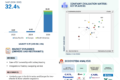
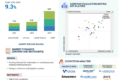
The dental imaging market is projected to reach USD 4.69 billion by 2030 from USD 3.08 billion in 2024, at a CAGR of 7.5 % from 2025 to 2030. Dental imaging systems provide images of the teeth, which helps dentists in evaluating a patient’s oral health. These systems provide high-quality image acquisition in a short period of time and enable less exposure to radiation It helps dentists diagnose and monitor oral health conditions, such as cavities, bone loss, and impacted teeth. Common technologies include X-rays, intraoral cameras, and cone beam CT scans. These systems improve accuracy in treatment planning and patient care.
Download PDF Brochure: https://www.marketsandmarkets.com/pdfdownloadNew.asp?id=109621591
What is Dental Imaging?
Dental imaging refers to the use of advanced technologies to capture visual representations of oral structures, including teeth, gums, jawbone, and surrounding tissues. These images help dentists detect abnormalities, plan procedures, and monitor treatment progress.
Key Types of Dental Imaging Technologies
1. Intraoral X-rays
- Most common imaging method
- Provides detailed images of individual teeth
- Used for detecting cavities, infections, and bone loss
2. Extraoral X-rays
- Captures broader views of the jaw and skull
- Includes panoramic imaging and cephalometric projections
3. Cone Beam Computed Tomography (CBCT)
- 3D imaging technology
- Essential for implant planning, orthodontics, and oral surgery
- Offers high-resolution visualization of bone structures
Request Sample Pages : https://www.marketsandmarkets.com/requestsampleNew.asp?id=109621591
4. Digital Imaging Systems
- Replaces traditional film-based X-rays
- Faster processing and lower radiation exposure
- Easy storage and sharing of images
5. Intraoral Scanners
- Creates digital impressions of teeth
- Widely used in restorative dentistry and orthodontics
- Enhances patient comfort and accuracy
Market Drivers
Rising Demand for Cosmetic Dentistry
Increasing awareness of aesthetic dental procedures such as veneers, teeth whitening, and smile makeovers is driving demand for advanced imaging solutions.
Growing Prevalence of Dental Disorders
Conditions like cavities, periodontal disease, and oral cancer are fueling the need for early and accurate diagnosis.
Technological Advancements
- Integration of AI for automated image analysis
- Cloud-based imaging platforms
- Improved imaging accuracy and reduced radiation exposure
Increasing Adoption of Digital Dentistry
Dental clinics are transitioning toward fully digital workflows, boosting demand for digital imaging systems and software.
Emerging Trends in Dental Imaging
AI-Powered Diagnostics
Artificial intelligence is enabling:
- Automated detection of cavities and lesions
- Predictive analytics for treatment outcomes
- Workflow optimization in dental clinics
3D Imaging and Printing Integration
CBCT imaging combined with 3D printing is revolutionizing:
- Dental implants
- Surgical guides
- Orthodontic aligners
Cloud-Based Imaging Solutions
- Remote access to patient data
- Improved collaboration among dental professionals
- Enhanced data security and storage
Portable and Handheld Devices
Compact imaging devices are gaining popularity in:
- Mobile dental clinics
- Remote and rural healthcare settings
Challenges in the Dental Imaging Market
High Equipment Costs
Advanced imaging systems like CBCT scanners require significant capital investment, limiting adoption among small clinics.
Radiation Exposure Concerns
Despite advancements, patient safety remains a priority, driving the need for low-dose imaging technologies.
Regulatory Compliance
Strict regulations related to medical imaging devices can slow down product approvals and market entry.
Competitive Landscape
The dental imaging market is highly competitive, with key players focusing on:
- Product innovation
- Strategic partnerships
- Mergers and acquisitions
Companies are investing heavily in AI integration and digital platforms to gain a competitive edge.
Future Outlook (2025–2030)
The global dental imaging market is expected to witness strong growth due to:
- Increasing dental tourism
- Rising geriatric population
- Expanding dental care infrastructure in emerging markets
The shift toward fully digital dental ecosystems will continue to accelerate, with imaging technologies playing a central role.
Conclusion
Dental imaging is no longer just a diagnostic tool—it is a strategic enabler of precision dentistry. With rapid technological advancements, increasing demand for cosmetic procedures, and the integration of AI, the dental imaging market is poised for substantial growth in the coming years.
For more information, Inquire Now