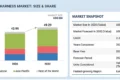
The DERMS architecture & edge control market is projected to grow from USD 1.77 billion in 2026 to USD 4.07 billion by 2031, at a CAGR of 18.8% during the forecast period. Market growth is primarily driven by the rapid integration of distributed energy resources (DERs), increasing investments in grid modernization, and the growing need for utilities to improve grid flexibility, reliability, and resilience. The growing adoption of distributed solar PV, battery energy storage systems (BESS), electric vehicles (EVs), demand response (DR), and virtual power plant (VPP) technologies is driving the need for more complex DERMS architecture and edge control solutions. In 2025, Grid DERMS will be the dominant market segment as utilities prefer to manage DERs from a centralized location, with Field Edge Controllers projected to grow at the fastest pace as utilities continue to adopt edge intelligence to support decentralized grid operations.
Market Report Scope
- Market Size in 2025 (Value): USD 1.45 billion
- Market Size in 2026 (Value): USD 1.77 billion
- Market Forecast in 2031 (Value): USD 4.07 billion
- Growth Rate: CAGR of 18.8% from 2026-2031
Key Market Players
- Siemens AG (Germany),
- Schneider Electric SE (France),
- Hitachi Energy Ltd. (Switzerland),
- ABB Ltd. (Switzerland),
- Mitsubishi Electric Corporation (Japan),
- AspenTech OSI (US),
- Oracle Corporation (US),
- Itron Inc. (US),
- Landis+Gyr AG (Switzerland),
- Open Access Technology International (OATI) (US),
- EnergyHub (US),
- mPrest (Israel),
- Uplight Inc. (US),
- Generac Grid Services (US),
- Camus Energy (US),
- Survalent Technology (Canada) among others…
Download PDF Brochure @ https://www.marketsandmarkets.com/pdfdownloadNew.asp?id=206649623
The market is undergoing a significant transformation with the adoption of AI-enabled DERMS platforms, cloud-native architectures, edge computing, advanced distribution management systems (ADMS), and digital substations. As utilities continue to invest in DERMS, they are increasingly turning to hierarchical architectures that combine centralized control with field-level edge intelligence to scale and make real-time decisions. Demand for more DERs to participate in the electricity markets is being driven by regulatory policies and programs, including the FERC Order 2222 in the US, the EU Clean Energy Package, the Australian Consumer Energy Resources (CER) Roadmap, and smart grid modernization policies in other parts of the Asia Pacific. In addition to these improvements, the industry is witnessing the development of interoperability standards, cybersecurity measures, predictive analytics, and AI-driven forecasting, which continue to expand the capabilities of DERMS and redefine the competitive landscape. As these advancements continue to emerge, the industry is poised for further transformations and enhancements in DERMS capabilities, further reshaping the competitive landscape. With more digitalization of distribution networks and adoption of more DERs, the market is poised for tremendous growth in both type and application segments. The increasing need for intelligent field devices, feeder automation, edge computing, and localized DER control for real-time grid operations is key to the growth of the Field Edge Controller market from 2026 to 2031 at the highest CAGR of 24.5%.
The Distributed Energy Resource Coordination application subsegment is expected to grow at the highest CAGR of 24.7%, as it is expected to be the fastest-growing subsegment, whereas the Flexible Connections application subsegment will experience the highest growth rate of 24.7%, driven by the need to maximize the hosting, or accommodating, capacity of a network without significant infrastructure upgrades. To take advantage of these opportunities, vendors will need to create scalable DERMS software, AI-powered orchestration platforms, interoperable edge control solutions, and sophisticated communication technologies that will allow for seamless coordination of distributed solar PV, battery storage, electric vehicles, and demand response resources.
By end user, distributed energy asset owners are expected to be the fastest-growing customer segment, registering a CAGR of 24.4% during the forecast period, driven by rising investments in distributed renewable energy assets, battery energy storage systems, community energy projects, and behind-the-meter energy resources. Among asset owner categories, data centers are projected to witness the highest growth (22.8% CAGR), supported by increasing deployment of on-site renewable generation, battery storage, and microgrids to improve energy resilience and operational continuity. Industrial microgrids are also expected to witness robust growth as industrial facilities increasingly adopt advanced energy management systems to enhance power reliability and optimize renewable energy utilization. Market participants can leverage these opportunities by offering integrated DERMS platforms, predictive analytics, edge intelligence, cloud-based energy management solutions, and customized system integration services that address the evolving operational requirements of distributed energy asset owners across commercial, industrial, and critical infrastructure applications.
North America is one of the leading regions for the DERMS Architecture & Edge Control market, with a 43.0% share worldwide in 2025. The United States is the biggest growth market in the region, as the number of distributed PV, battery energy storage systems (BESS), electric vehicle (EV) charging infrastructure, virtual power plants (VPPs), and demand response programs is rising. Federal programs, including the Infrastructure Investment and Jobs Act (IIJA), the Inflation Reduction Act (IRA) and FERC Order 2222, are driving grid modernization, advanced distribution automation, and DER integration investments, prompting utilities to invest in centralized DERMS platforms and grid-edge control solutions. Canada is supporting regional growth by contributing to smart grid and renewable energy integration investments, as well as battery storage. Canada’s investments in smart grid and renewable energy integration and battery storage continue to reinforce North America’s market position in the global market.
Make an Inquiry @ https://www.marketsandmarkets.com/Enquiry_Before_BuyingNew.asp?id=206649623
The DERMS Architecture & Edge Control Market is poised to see significant long-term growth as utilities shift to a decentralized, digital, and intelligent electricity network. AI-based DERMS software, cloud-native platforms, cutting-edge controllers, cybersecurity solutions, and interoperable communication technologies can help vendors improve their competitive edge in wider deployment of DERs. Strategic partnerships with utilities, distribution system operators, and developers of renewable energy, battery storage, and EV infrastructure will significantly help vendors reach the market. With investments growing in virtual power plants, microgrids, flexibility markets, and edge intelligence, DERMS architecture & edge control are anticipated to be key technologies of the future digital grid economy.