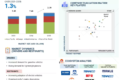
The global digital health market is expected to reach USD 573.53 billion by 2030, up from USD 199.14 billion in 2025, at a CAGR of 23.6% during the forecast period. Market growth is mainly driven by technological improvements, increasing demand for remote care, chronic disease management, cost reduction efforts, regulatory backing, and greater patient involvement.
What is Digital Health?
Digital Health refers to the use of advanced technologies such as mobile apps, artificial intelligence (AI), telemedicine, wearable devices, and electronic health records (EHRs) to improve healthcare delivery, outcomes, and patient experiences. It bridges the gap between patients and providers, enabling faster, smarter, and more personalized care.
Key Digital Health Technologies Driving Growth
1. Telemedicine & Virtual Care
Telemedicine platforms allow patients to consult doctors remotely, reducing hospital visits and improving accessibility—especially in rural and underserved areas.
2. Artificial Intelligence (AI) in Healthcare
AI-powered tools help in early diagnosis, predictive analytics, and personalized treatment planning. From radiology to drug discovery, AI is reshaping clinical decision-making.
3. Wearable Health Devices
Smartwatches and fitness trackers monitor vital signs such as heart rate, sleep patterns, and physical activity, helping users stay proactive about their health.
4. Electronic Health Records (EHRs)
EHR systems streamline patient data management, making it easier for healthcare providers to access and share critical medical information securely.
5. Mobile Health (mHealth) Apps
Health apps offer features like medication reminders, mental health support, fitness tracking, and chronic disease management at users’ fingertips.
Download PDF Brochure: https://www.marketsandmarkets.com/pdfdownloadNew.asp?id=45458752
Benefits of Digital Health
- Improved Access to Care: Patients can receive medical attention anytime, anywhere
- Cost Efficiency: Reduces unnecessary hospital visits and operational costs
- Better Patient Outcomes: Real-time monitoring enables early intervention
- Data-Driven Decisions: Enhanced analytics lead to more accurate diagnoses
- Patient Engagement: Encourages individuals to take control of their health
Challenges in Digital Health Adoption
Despite its rapid growth, digital health faces several challenges:
- Data Privacy & Security Risks
- Regulatory Compliance Issues
- Digital Literacy Barriers
- Integration with Legacy Systems
- High Initial Investment Costs
Digital Health Market Trends in 2026
- Rise of AI-Powered Diagnostics
- Expansion of Remote Patient Monitoring (RPM)
- Growth in Personalized Medicine
- Blockchain for Health Data Security
- Integration of IoT in Healthcare Systems
The global digital health market is experiencing exponential growth, driven by increasing smartphone penetration, rising chronic diseases, and demand for remote care solutions.
Request Sample Pages : https://www.marketsandmarkets.com/requestsampleNew.asp?id=45458752
Future of Digital Health
The future of digital health is highly promising. Innovations like virtual hospitals, digital therapeutics, and AI-driven clinical trials are expected to redefine the healthcare ecosystem. Governments and private organizations are heavily investing in digital infrastructure to make healthcare more inclusive and efficient.
Conclusion
Digital health is no longer a futuristic concept—it is a present-day reality transforming how healthcare is delivered and experienced. As technology continues to evolve, digital health will play a critical role in improving global health outcomes, reducing costs, and making healthcare more accessible to all.
For more information, Inquire Now!
FAQs on Digital Health
Q1. What is digital health in simple terms?
Digital health uses technology to improve healthcare services and patient outcomes.
Q2. What are examples of digital health?
Telemedicine, wearable devices, health apps, and AI-powered diagnostics.
Q3. Why is digital health important?
It improves access, reduces costs, and enhances the quality of care.