According to MarketsandMarkets, the global distributed control system market is projected to grow from USD 21.58 billion in 2025 to USD 29.32 billion by 2030 at a CAGR of 6.3%.
The rise in real-time tracking, predictive maintenance, and digital transformation has injected a new and immense thrust into the engineering, procurement, and construction (EPC) services domain, setting the need for higher-end distributed control systems (DCS) platforms that ensure safety, reliability, and plant-wide operational visibility. Additionally, investments in Industry 4.0, smart manufacturing, and data-driven action make DCS vital for improving future industrial performance. Public-private partnerships, incentives from policy, and long-term automation strategies increasingly meld into one, ensuring that DCS stays relevant in realizing efficiency, sustainability, and resilience across domains. These factors and the role of DCS as a key industrial and digital transformation facilitator will boost the market growth.
Download PDF Brochure @ https://www.marketsandmarkets.com/pdfdownloadNew.asp?id=239430160
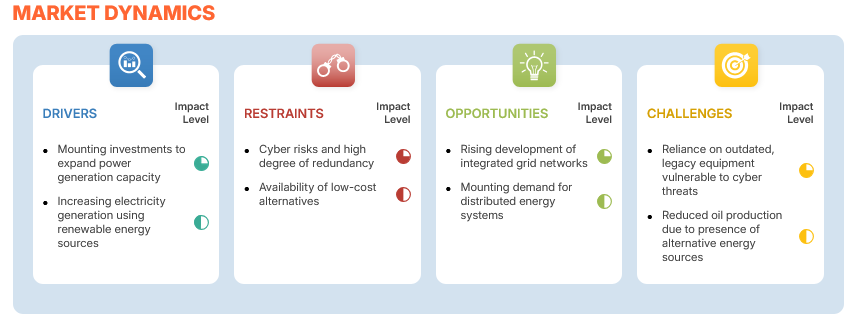
The distributed control system market is driven by several interrelated factors that reflect broader shifts in global energy systems. Energy transition objectives, industrial decarbonization, and digital infrastructure advancement drive the pressing requirement for control systems to be trustworthy and scalable. Process industries, such as oil & gas, chemicals, power generation, and water treatment, turn to DCS for real-time analytics, emission control, and safe automation. In addition, many countries have prioritized resilience in control infrastructure to enable uninterrupted production and assure energy security in the face of geopolitical developments and vulnerabilities in the supply chains. All of these factors are accelerating the uptake of DCS as a critical asset in achieving operational excellence and strategic autonomy.
The distributed control system market in China is experiencing rapid growth due to the rapid industrialization, large-scale investment in infrastructure, and government support of the modernization of manufacturing as a result of “Made in China 2025.” DCS is increasingly adopted in the chemical industry, power generation, oil & gas, and water treatment as users of DCS seek a more automated, energy-efficient, and stable process. As companies in China look to incorporate digital transformation, smart factories, and clean energy, many are deploying more advanced DCS platforms. Moreover, increased domestic manufacturing capacity and a maturing supplier base in automation contribute to the adoption of a DCS across all industrial verticals.
Make an Inquiry @ https://www.marketsandmarkets.com/Enquiry_Before_BuyingNew.asp?id=239430160
By application, the continuous processsegment is projected to register a higher CAGR during the forecast period. This rapidly expands as many industries have changed from a manual system to automated control with a DCS platform. This switch-over has enhanced the effectiveness of operations and also boosted industrial asset security. These developments are essential to support seamless operations, system reliability, and manage assets in the dynamic international industrial environment. With a growing reliance on automation in industries such as oil & gas, chemicals, and power generation, DCS becomes the focus in optimizing control, minimizing energy loss, and enhancing safety and environmental regulatory compliance. The modern distributed control systems allow a smooth combination of production processes, storage, and remote diagnostics in a single framework. Their use assists real-time decisions and predictive maintenance, which also avoids downtime and increases the lifespan of equipment. Under the current pressure to digitalize and embrace smart factory principles, the use of DCS is increasing. In continuous process applications, precision, uptime, and scalability are vital to business performance.
By end-use industry, the chemicals segment is the largest segment for the distributed control system market due to the high degree of continuous and complex process automation in the chemicals sector. The chemicals sector requires precise control, high safety, and continuous operation, all supported well by DCS platforms. In a large process plant, manufacturing chemicals, DCS systems provide high quality, optimal use of resources, and better environmental compliance. The wide range of chemicals produced by the sector, whether bulk chemicals or highly specified applications, requires appropriately integrated DCS automation solutions. With increasing focus on operating efficiency, safety, and protection against regulatory non-compliance in the chemical sector, DCS platforms have played an increasing role in the automation strategy of chemical plants. Chemical manufacturers also take advantage of DCS advanced functionalities, including predictive maintenance, real-time data analytics, process safety systems, and alarm management to limit downtime and improve throughput. Consequently, automation is nested deeper in chemical production (to manage complex reactions, hazardous materials, and scalability), further enhanced by integration into enterprise systems and cloud-based infrastructure for visibility and agility.
Ask sample pages of the report @ https://www.marketsandmarkets.com/requestsampleNew.asp?id=239430160
Increasing investment in industrial automation, real-time monitoring needs, and digital transformation drives the distributed control system market. Companies leverage DCS to enhance operational efficiency, reduce downtime, and ensure safety through advanced data analytics and process control. Strategic partnerships help firms integrate intelligent automation solutions tailored to specific industrial needs. By adopting DCS platforms, businesses are improving energy efficiency, optimizing production workflows, and building more flexible, scalable, and resilient operations—especially in industries like oil & gas, chemicals, and power generation.


