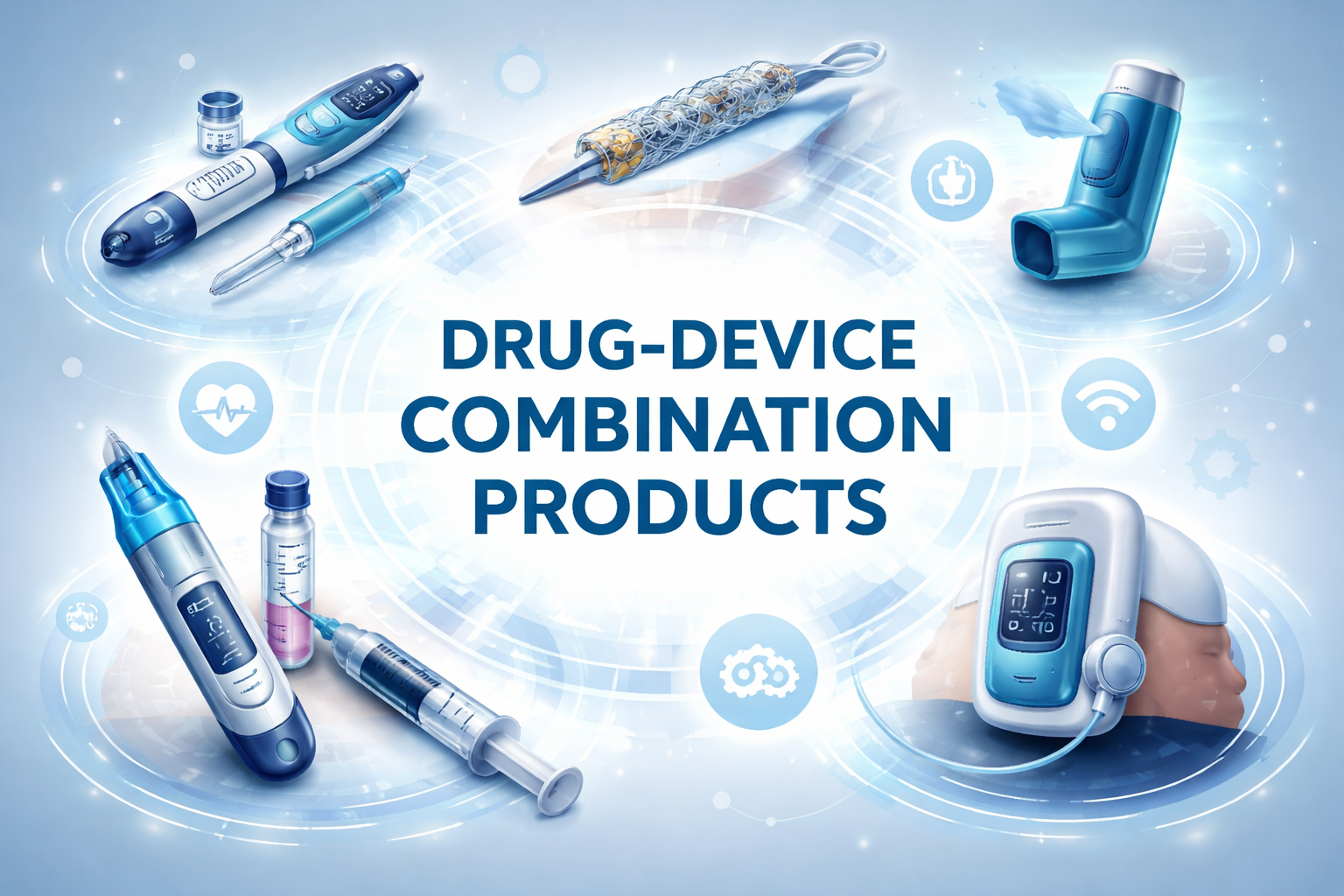
Drug-device combination products are revolutionizing the healthcare landscape by integrating pharmaceuticals with medical devices to deliver targeted, efficient, and patient-friendly treatments. As innovation accelerates, these hybrid solutions are becoming essential across therapeutic areas such as diabetes care, oncology, respiratory diseases, and autoimmune disorders.
What Are Drug-Device Combination Products?
Drug-device combination products are therapeutic and diagnostic solutions that combine a drug (or biologic) with a medical device into a single, integrated product. These products are designed to improve drug delivery, enhance patient compliance, and optimize therapeutic outcomes.
Common Examples:
- Prefilled syringes
- Auto-injectors
- Insulin pens
- Drug-eluting stents
- Inhalers and nebulizers
Key Benefits Driving Market Growth
1. Improved Patient Compliance
Combination products simplify administration, especially for chronic conditions. Devices like auto-injectors allow patients to self-administer medication safely and conveniently.
2. Enhanced Drug Efficacy
These products enable precise dosing and targeted delivery, ensuring better absorption and effectiveness.
3. Reduced Healthcare Costs
By minimizing hospital visits and improving adherence, combination products help reduce overall treatment costs.
4. Technological Advancements
Integration of smart technologies such as connectivity, sensors, and dose tracking is driving innovation in the market.
Market Trends and Growth Drivers
Rising Chronic Disease Burden
The increasing prevalence of diseases like diabetes, cardiovascular disorders, and asthma is boosting demand for advanced drug delivery systems.
Growth in Biologics and Biosimilars
Biologic drugs often require specialized delivery systems, making combination products essential for safe and effective administration.
Regulatory Support
Regulatory bodies are increasingly providing clear guidelines, encouraging innovation and faster approvals.
Shift Toward Home Healthcare
Patients prefer home-based treatments, and combination products enable easy self-administration outside clinical settings.
Challenges in the Market
Complex Regulatory Pathways
Approval processes can be complicated due to the dual nature of drugs and devices.
Manufacturing Complexity
Ensuring compatibility between the drug and device requires advanced manufacturing and quality control.
High Development Costs
Research, design, and testing of combination products demand significant investment.
Emerging Opportunities
Smart Drug Delivery Systems
Integration with digital health platforms allows real-time monitoring, adherence tracking, and data sharing with healthcare providers.
Personalized Medicine
Combination products are playing a crucial role in tailoring treatments based on individual patient needs.
Expanding Applications
From oncology to neurology, new therapeutic areas are adopting combination solutions rapidly.
Future Outlook
The drug-device combination products market is poised for strong growth in the coming years, driven by innovation, patient-centric care models, and increasing demand for minimally invasive treatments. Companies are focusing on developing user-friendly, connected, and efficient delivery systems to gain a competitive edge.
Conclusion
Drug-device combination products represent the future of healthcare delivery, offering a seamless blend of therapy and technology. As the industry continues to evolve, these products will play a critical role in improving patient outcomes, enhancing treatment efficiency, and shaping the next generation of medical innovation.
