The drug screening industry market involves the sector focused on the production and delivery of reagents, kits, analytical instruments, and laboratory services used to detect the presence of illegal drugs, prescription medications, or alcohol in biological samples. It spans applications across workplace compliance mandates, clinical toxicology, criminal justice, and rehabilitation monitoring.
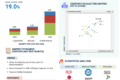
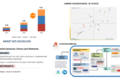
The global drug screening market was valued at USD 8.92 billion in 2024 and USD 10.36 billion in 2025, and it is projected to reach USD 21.29 billion by 2030, growing at a compound annual growth rate (CAGR) of 15.5%.
Download PDF Brochure:https://www.marketsandmarkets.com/pdfdownloadNew.asp?id=162987773
The drug screening industry market is primarily driven by escalating global concerns over workplace safety, stringent federal mandates for mandatory testing in high-risk sectors, and rising rates of substance abuse. However, market expansion is heavily restrained by high testing and equipment costs, privacy concerns, and employee rights legislation that limits mandatory programs in certain jurisdictions. Lucrative opportunities exist in the rapid adoption of automated point-of-care, roadside, and home testing devices, alongside expanding clinical toxicology and rehabilitation monitoring services. Despite these prospects, the industry faces key challenges, including regulatory inconsistencies across various regional legal landscapes and the continuous emergence of new synthetic drug substances that cause traditional testing methodologies to lag behind current trends.
The target customers for the drug screening industry market encompass a diverse range of institutional buyers, primarily dominated by employers in safety-sensitive sectors, hospitals, drug testing laboratories, forensic centers, law enforcement agencies, and government entities such as the U.S. Department of Transportation. These customers require highly reliable, regulatory-compliant, and cost-effective screening solutions to reduce workplace hazards, support clinical diagnosis, and maintain public safety. Their preferences lean strongly toward fast, non-invasive, and automated point-of-care testing technologies—such as rapid oral fluid testing and portable immunoassay devices—that streamline sample processing and expand opiate panels to minimize turnaround times and reduce result tampering. Purchasing behavior is heavily driven by compliance mandates, strict government regulations, and routine surveillance protocols, resulting in consistent, high-frequency, and recurring procurement models focused heavily on consumables and reagents like validated assay kits, test strips, and collection devices required to maintain continuous operations.
Market entry, expansion, and profitability in the drug screening industry market are heavily influenced by a shifting regulatory landscape, technological evolution, and distinct economic factors. Regulatory forces, such as stricter workplace compliance mandates, the U.S. Drug-Free Workplace Act, and SAMHSA guidance for structured chains-of-custody, heavily drive consistent volume but mandate rigorous compliance. Technologically, the integration of artificial intelligence, machine learning, and automation optimizes screening accuracy and compound selection, while advanced rapid point-of-care testing kits and non-invasive sample types like oral fluid accelerate turnaround times. However, economic viability faces distinct challenges, including potential false positive or negative results that threaten test reliability, intense pricing pressures, and emerging privacy and data protection concerns regarding extensive employee screening practices, which together impact long-term corporate profitability.
The drug screening industry market is being significantly shaped by the rapid adoption of rapid point-of-care testing devices, automated laboratory systems, and expanding non-invasive sampling methods like oral fluid and breath-based testing, which offer shorter turnaround times and reduced privacy concerns. Additionally, emerging trends highlight the integration of highly sensitive confirmation procedures like LC-MS/MS technology, expanded opiate drug panels targeting fentanyl variants, and the deployment of cloud-assisted chain-of-custody solutions to ensure result integrity and combat tampering. These trends are evolving at a swift pace driven by stricter workplace compliance mandates, expanding healthcare applications, and growing substance abuse concerns, as evidenced by robust growth metrics where the global market is projected to expand at a compound annual growth rate (CAGR) ranging between 14.1% and 16.5% over the next decade, with specific segments like oral fluid testing advancing at a fast-paced 16.85% to 17.1% CAGR.
Download PDF Brochure:https://www.marketsandmarkets.com/pdfdownloadNew.asp?id=162987773
Technological innovations disrupting the drug screening market are centered on increasing testing speed, convenience, and automation across clinical, forensic, and occupational settings. The industry is seeing rapid traction in point-of-care (POC) diagnostics and portable immunoassay analyzers, alongside non-invasive collection modalities like oral fluid (saliva) testing devices, breath analyzers, and sweat patches that deliver real-time results within minutes while minimizing sample adulteration risks. Furthermore, the integration of artificial intelligence (AI) and machine learning algorithms is revolutionizing the landscape by automating chain-of-custody workflows, accelerating data analytics to reduce diagnostic turnaround times by nearly 30%, and enhancing predictive screening accuracy during early-stage drug discovery. These shifts are complemented by the adoption of advanced multiplex testing platforms, high-throughput automated liquid handling systems, and highly sensitive confirmatory technologies like liquid chromatography-mass spectrometry (LC-MS/MS) that allow laboratories to identify a broader range of complex substances with superior precision.
In the drug screening industry market, short-term hype is primarily visible around early-stage, completely non-invasive optical tracking concepts and intensive social media promotions for niche rapid-testing kits, which often outpace current clinical reliability and regulatory approvals. Conversely, long-term structural shifts are firmly anchored in medical-grade infrastructure, strict workplace compliance mandates, and public-health initiatives. These enduring transformations include the convergence of advanced point-of-care testing systems with digital analytics platforms, the rising adoption of alternative matrices like oral fluid and long-term hair sample testing, and the expanding implementation of service-based models and bundled testing solutions to address rising global polysubstance and pharmaceutical abuse across safety-sensitive industries, clinical laboratories, and forensic sectors.
Source:https://www.marketsandmarkets.com/Market-Reports/drug-alcohol-screening-market-162987773.html