The Europe anti-drone market is witnessing rapid expansion driven by rising security threats from unauthorized unmanned aerial vehicles (UAVs), increasing geopolitical tensions, and heightened concerns around critical infrastructure protection. Anti-drone systems are becoming essential across military & defense, homeland security, and commercial sectors, particularly in airports, borders, public venues, government facilities, and energy infrastructure.
Market Forecast and Growth Outlook (2024–2030)
The Europe anti-drone market is projected to reach USD 4.16 billion by 2030 from USD 1.24 billion in 2025, at a CAGR of 27.5% from 2025 to 2030. Growth is primarily fueled by:
- Rising incidents of drone intrusions near airports and military bases
- Increased deployment of counter-drone systems along national borders
- Growing use of drones for illicit activities such as espionage, smuggling, and sabotage
- Strong defense spending across major European nations
Governments and defense agencies across Europe are prioritizing advanced detection and neutralization systems, accelerating procurement of both ground-based and mobile anti-drone platforms.
Key Market Drivers
Rising Security Threats from Rogue Drones
The rapid proliferation of low-cost commercial drones has created new security challenges across Europe. Unauthorized drones pose risks to airspace safety, military operations, public events, and critical infrastructure, prompting governments to deploy comprehensive anti-drone systems.
Increased Defense and Homeland Security Spending
European nations are increasing investments in counter-UAV technologies as part of broader defense modernization programs. Anti-drone systems are now integral to military & defense strategies and homeland security frameworks.
Growth in Commercial and Critical Infrastructure Protection
Beyond defense, commercial sectors such as airports, oil & gas facilities, power plants, and stadiums are increasingly adopting anti-drone solutions to prevent operational disruptions and safety incidents.
Download PDF Brochure @ https://www.marketsandmarkets.com/pdfdownloadNew.asp?id=163421061
Market Segmentation Analysis
By System Type
Electronic Systems
Electronic systems dominate the Europe anti-drone market due to their effectiveness in detecting, tracking, and disrupting drone communications. These systems use radar, RF sensors, electro-optical, and infrared technologies to identify and neutralize threats.
Kinetic Systems
Kinetic systems physically destroy or disable drones using projectiles or interceptor mechanisms. These are primarily used in high-security military zones where complete neutralization is required.
Laser Systems
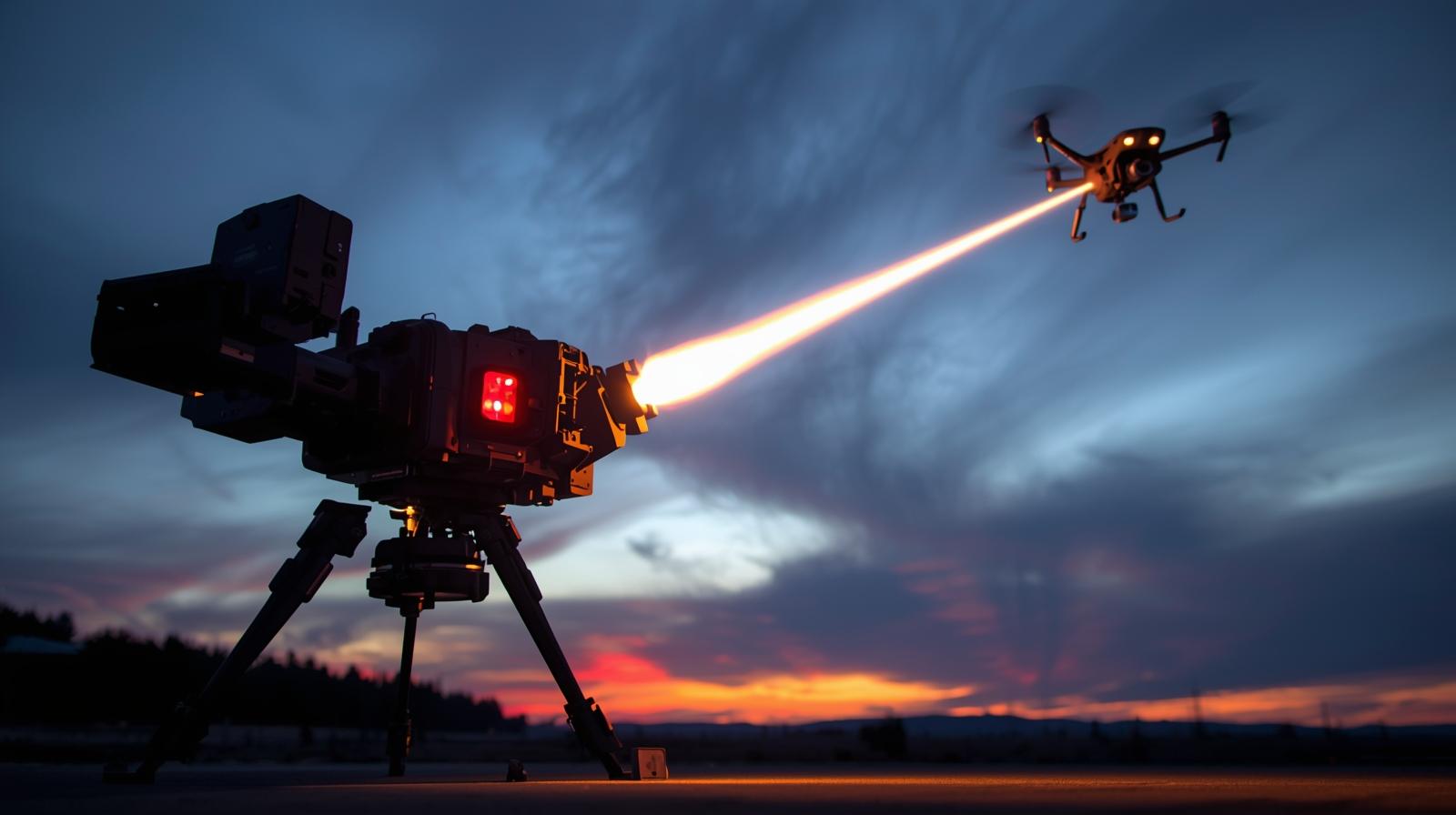
Laser-based anti-drone systems are gaining traction for their precision, speed, and low cost per engagement, especially in military applications.
Hybrid Systems
Hybrid systems integrate electronic, kinetic, and laser technologies, offering multi-layered defense capabilities. Their adoption is rising due to increasing complexity of drone threats.
By Platform
Ground-Based Systems
Ground-based anti-drone systems account for the largest market share, widely deployed at military bases, airports, borders, and critical infrastructure sites.
Handheld Systems
Handheld anti-drone systems are used by law enforcement and security forces for short-range, tactical operations and event security.
UAV-Based Systems
UAV-based counter-drone platforms are emerging as a flexible solution for mobile detection and interception, especially in surveillance-heavy environments.
By Application
Detection & Disruption
Detection & disruption systems dominate the market, combining early identification with real-time neutralization to prevent drone threats before they cause harm.
Detection Only
Detection-only systems are used in scenarios where monitoring and situational awareness are prioritized over physical intervention.
By End User
Military & Defense
The military & defense segment represents the largest share of the Europe anti-drone market, driven by increasing use of drones in modern warfare and reconnaissance.
Homeland Security
Homeland security agencies deploy anti-drone systems for border control, public safety, and protection of government facilities.
Commercial
Commercial adoption is rising steadily, particularly in airports, industrial sites, and large public venues, where drone disruptions can cause significant economic losses.
Regional Insights Across Europe
Western Europe leads the market due to advanced defense infrastructure, strong R&D capabilities, and early adoption of counter-UAV technologies. Countries such as the UK, Germany, and France are major contributors, driven by national security programs and airport safety regulations.
Eastern Europe is also emerging as a high-growth region, supported by increasing military modernization initiatives and heightened regional security concerns.
Technology Trends Shaping the Market
AI-Enabled Drone Detection
Artificial intelligence and machine learning are increasingly integrated into anti-drone systems to improve threat classification, tracking accuracy, and response time.
Multi-Sensor Fusion
Combining radar, RF, EO/IR, and acoustic sensors enhances detection reliability, especially in urban and complex environments.
Non-Kinetic Neutralization
Electronic warfare-based disruption methods are preferred due to lower collateral damage and regulatory compliance, particularly in civilian areas.
Competitive Landscape and Industry Developments
The Europe anti-drone market is characterized by continuous innovation and strategic collaborations among defense contractors, technology providers, and government agencies. Market players are focusing on:
- Developing scalable and modular anti-drone platforms
- Enhancing detection range and response speed
- Expanding offerings for commercial and homeland security applications
These strategies are expected to intensify competition and accelerate technological advancements through 2030.
Challenges and Regulatory Considerations
Despite strong growth prospects, the market faces challenges such as:
- Regulatory restrictions on drone disruption in civilian airspace
- High deployment and maintenance costs
- Need for interoperability across defense systems
However, evolving regulations and increased standardization are expected to address these limitations over the forecast period.
Future Outlook: Europe Anti-Drone Market to 2030
The future of the Europe anti-drone market remains highly promising, with sustained demand across military, homeland security, and commercial sectors. The market’s strong CAGR through 2030 reflects Europe’s strategic focus on airspace security, infrastructure protection, and advanced defense technologies.
As drone threats continue to evolve, investments in hybrid, AI-driven, and multi-layered anti-drone systems will define the next phase of market growth.
Frequently Asked Questions (FAQs)
1. What is driving the growth of the Europe anti-drone market?
The market is driven by rising drone-related security threats, increased defense spending, and growing protection needs for critical infrastructure and public spaces.
2. Which segment dominates the Europe anti-drone market?
The military & defense segment holds the largest share due to extensive deployment of counter-UAV systems for national security.
3. What is the forecast period for the Europe anti-drone market?
The market is forecast up to 2030, with strong growth expected throughout the period.
4. Which systems are most widely used in anti-drone solutions?
Electronic systems, including detection and disruption technologies, are the most widely deployed due to their effectiveness and non-kinetic nature.
5. What is the expected CAGR of the Europe anti-drone market?
The Europe anti-drone market is projected to grow at a strong double-digit CAGR through 2030, supported by technological advancements and rising security investments.