The growing demand for secure digital authentication is transforming the global biometric technology industry. Smartphones, laptops, wearable devices, payment cards, access control systems, and connected devices increasingly rely on fingerprint recognition to provide convenient and reliable identity verification. As consumers expect faster authentication and manufacturers seek more advanced device designs, under-display fingerprint technology is creating new opportunities across the semiconductor and consumer electronics industries. The Fingerprint Sensor Market Outlook reflects this transition toward integrated, compact, and high-performance biometric solutions.
Fingerprint sensors identify individuals by capturing and analyzing the unique patterns of their fingerprints. Traditional sensors are commonly integrated into physical buttons or dedicated sensor areas. However, under-display technology enables fingerprint recognition through a device’s display, allowing manufacturers to create larger screen areas and more streamlined designs without sacrificing biometric functionality.
The global fingerprint sensor market is projected to grow from USD 5.01 billion in 2026 to USD 6.98 billion by 2032, registering a compound annual growth rate (CAGR) of 5.7% during the forecast period, according to MarketsandMarkets. Increasing smartphone adoption, rising cybersecurity concerns, digital payment expansion, and advancements in optical and ultrasonic sensing technologies are supporting market development.
The Fingerprint Sensor Market Outlook is also being shaped by the emergence of new applications, including biometric payment cards, connected devices, and enterprise authentication systems. As manufacturers continue improving sensor accuracy, integration, and security, under-display fingerprint technology is expected to become an important area of innovation.
Under-Display Technology Creates New Growth Opportunities
Under-display fingerprint sensors represent a significant development in biometric authentication. Unlike conventional fingerprint sensors that require a dedicated physical button or surface, these technologies are integrated beneath a compatible display, allowing users to authenticate their identity by placing a finger on a designated area of the screen.
This approach supports modern smartphone designs featuring larger displays, minimal bezels, and fewer physical buttons. It also enables device manufacturers to integrate biometric functionality without significantly changing the external appearance of their products.
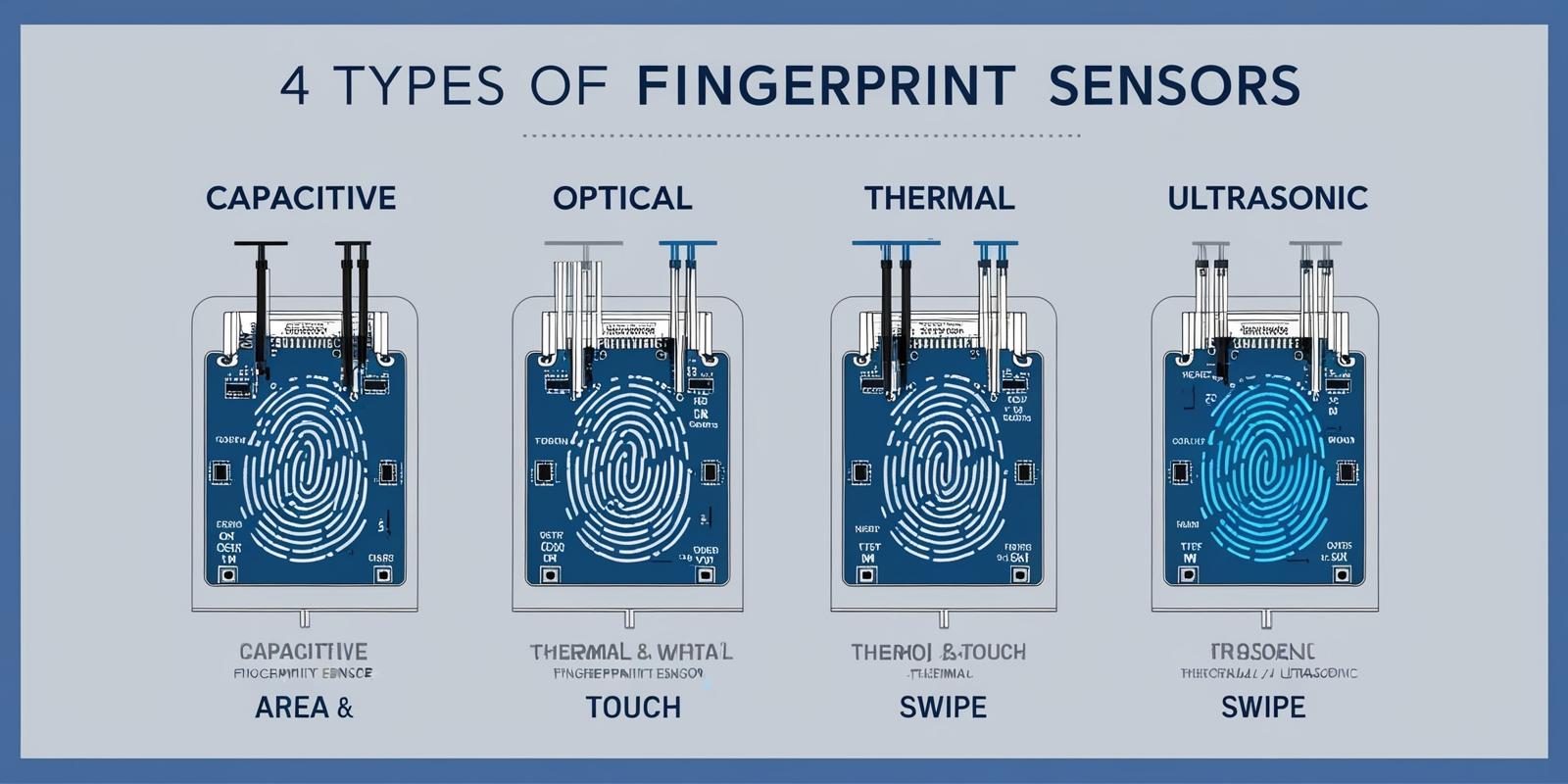
Two major technologies support under-display fingerprint recognition: optical and ultrasonic sensing. Optical sensors capture an image of the fingerprint using light, while ultrasonic sensors use high-frequency sound waves to analyze fingerprint characteristics. Each technology has different requirements related to display compatibility, integration, performance, and cost.
Optical sensors have gained adoption in many smartphones because of their integration flexibility and ability to support screen-based authentication. Ultrasonic sensors offer additional opportunities through their ability to capture detailed fingerprint information using acoustic signals. Their performance characteristics can make them attractive for premium devices that prioritize advanced security and authentication reliability.
The Fingerprint Sensor Market Outlook is expected to benefit from manufacturers seeking to differentiate their products through improved user experience and advanced biometric capabilities. As sensor designs evolve, opportunities may expand into laptops, tablets, and other electronic devices with compatible displays.
Ultrasonic Fingerprint Sensors Strengthen Market Innovation
Ultrasonic fingerprint sensing is an important technology within the evolving biometric ecosystem. These sensors use acoustic waves to capture fingerprint characteristics rather than relying solely on optical imaging. Depending on the implementation, this approach can help identify fingerprint details beneath compatible display materials.
The technology is attracting attention from manufacturers looking to improve authentication performance and create more sophisticated biometric systems. Ultrasonic sensing can provide detailed fingerprint information and may offer advantages under certain challenging surface conditions. However, performance depends on the sensor design, display stack, environmental conditions, and quality of the fingerprint presented.
According to MarketsandMarkets, the ultrasonic fingerprint sensor segment is projected to register the highest CAGR of 11.9% during 2026–2032. This growth reflects increasing interest in advanced biometric authentication and under-display integration.
The expanding adoption of ultrasonic technology creates opportunities for semiconductor manufacturers, sensor developers, display suppliers, and smartphone producers. Companies that improve sensing accuracy, reduce power consumption, and simplify integration can strengthen their position in this emerging segment.
The Fingerprint Sensor Market Outlook will depend partly on the ability of manufacturers to balance performance with cost. Although advanced ultrasonic systems can provide differentiated capabilities, broader adoption will also require suitable manufacturing yields, reliable operation, and competitive pricing.
Download PDF Brochure @ https://www.marketsandmarkets.com/pdfdownloadNew.asp?id=169519533
AI and Advanced Algorithms Improve Authentication Accuracy
Artificial intelligence and advanced signal-processing algorithms are contributing to the evolution of fingerprint recognition systems. Modern biometric solutions must distinguish genuine fingerprints from incomplete, distorted, or fraudulent inputs while maintaining fast response times.
AI-assisted algorithms can help analyze fingerprint patterns, improve image interpretation, and support the detection of suspicious authentication attempts. When integrated with suitable sensors and secure processing systems, these capabilities can improve the overall authentication experience.
Machine learning can also support improvements in fingerprint matching by helping systems account for variations in finger placement and image quality. However, biometric systems must be thoroughly tested to evaluate accuracy, false acceptance rates, false rejection rates, and vulnerability to spoofing.
The integration of AI with fingerprint sensors is particularly relevant for smartphones, financial services, enterprise access control, and connected devices. These applications require reliable authentication without introducing unnecessary complexity for users.
For manufacturers, the combination of improved sensing hardware and sophisticated algorithms offers opportunities to differentiate products. The Fingerprint Sensor Market Outlook therefore extends beyond physical sensors to include biometric software, secure processing, and anti-spoofing capabilities.
Digital Payments and Biometric Smart Cards Expand Opportunities
The expansion of digital payments is creating new opportunities for fingerprint sensor manufacturers. Mobile banking, e-commerce, contactless transactions, and digital wallets have increased demand for secure and convenient authentication methods.
Biometric smart cards are an emerging application within this market. These cards incorporate fingerprint sensing capabilities to verify the cardholder during a transaction. By combining possession of the card with biometric verification, they can provide an additional layer of identity authentication.
Financial institutions and payment technology providers are exploring biometric cards to address concerns about unauthorized transactions and payment fraud. These systems may also reduce dependence on traditional PIN-based verification in supported applications.
However, commercial adoption depends on manufacturing costs, card thickness, power requirements, payment infrastructure compatibility, and user acceptance. Successful deployment also requires appropriate protection of biometric information and compliance with applicable security and privacy standards.
The Fingerprint Sensor Market Outlook could benefit from wider commercialization of biometric payment cards as manufacturers improve sensor integration and reduce production costs. Opportunities extend to financial institutions, card manufacturers, semiconductor suppliers, and secure payment technology providers.
Consumer Electronics Remain a Major Market Driver
Consumer electronics continue to play a central role in fingerprint sensor adoption. Smartphones, tablets, laptops, and wearable devices increasingly incorporate biometric authentication to improve convenience and protect personal information.
Smartphones are particularly important because fingerprint recognition provides a fast alternative to passwords and PINs. Consumers use biometric authentication to unlock devices, authorize payments, access applications, and protect sensitive information.
Laptop manufacturers also integrate fingerprint sensors into security and login systems, particularly for business users who require convenient authentication and device protection. Wearable devices and connected products offer further opportunities as biometric functionality becomes part of broader digital ecosystems.
MarketsandMarkets identifies area and touch sensors as the dominant type segment, expected to account for 97.0% of the fingerprint sensor market in 2026. These sensors benefit from their established use across consumer electronics and other authentication applications.
As device manufacturers continue to improve design, security, and functionality, the Fingerprint Sensor Market Outlook is expected to remain closely linked to consumer electronics innovation.
IoT and Enterprise Security Create Emerging Applications
The growth of the Internet of Things (IoT) is expanding the potential use of fingerprint sensors beyond smartphones and computers. Connected devices, smart home systems, workplace access controls, and selected industrial applications increasingly require reliable identity verification.
Fingerprint sensors can help restrict access to authorized users and support personalized interactions with connected devices. For example, biometric authentication may be used in smart locks, secure terminals, and access management systems.
In enterprise environments, fingerprint-based authentication can complement broader security frameworks. Organizations may deploy biometric systems to manage access to facilities, equipment, and selected digital services. Their effectiveness depends on the security architecture and the sensitivity of the application.
The Fingerprint Sensor Market Outlook also includes opportunities in government identity programs, travel and immigration, and other applications where accurate identity verification is important.
Nevertheless, biometric data must be handled carefully. Secure storage, encryption, access controls, and appropriate data protection practices are essential to maintaining user confidence and reducing the risks associated with unauthorized access.
Regional Outlook: Asia Pacific Leads Market Expansion
Asia Pacific is an important region for the fingerprint sensor industry because of its strong consumer electronics manufacturing base, large smartphone user population, and increasing adoption of digital services.
Countries such as China, India, South Korea, and Japan contribute to the regional ecosystem through electronics production, semiconductor development, and demand for biometric-enabled devices. Growing digital payment activity and enterprise security requirements are also supporting adoption.
According to MarketsandMarkets, Asia Pacific is projected to register the highest CAGR of 6.7% during 2026–2032. This growth reflects the region’s expanding electronics ecosystem and increasing use of biometric authentication across consumer and commercial applications.
North America remains an important market because of demand for secure computing devices, enterprise authentication, financial technology, and advanced semiconductor solutions. Europe offers opportunities through digital identity programs, access control systems, consumer electronics, and privacy-focused security applications.
Regional growth will depend on manufacturing capacity, technology investment, consumer adoption, regulatory requirements, and the ability of vendors to deliver reliable and cost-effective solutions.
Competitive Landscape and Key Players
The fingerprint sensor market includes semiconductor manufacturers, biometric technology developers, and companies supplying sensing components for consumer and commercial applications.
Key companies identified by MarketsandMarkets include Shenzhen Goodix Technology Co., Ltd., Fingerprint Cards AB, Synaptics Incorporated, Egis Technology Inc., Qualcomm Technologies, Apple Inc., CrucialTec, NEXT Biometrics, Novatek Microelectronics, and Qtechnology.
These companies compete through sensor performance, integration capabilities, power efficiency, security features, product reliability, and relationships with device manufacturers. Research and development investments are particularly important as the industry moves toward under-display sensing and more advanced authentication systems.
Companies are also exploring opportunities in biometric smart cards, connected devices, and enterprise security. Strategic partnerships between sensor manufacturers, display suppliers, semiconductor companies, and device producers can help accelerate commercialization.
The Fingerprint Sensor Market Outlook will increasingly depend on innovation that combines high authentication accuracy with compact designs, competitive pricing, and robust protection of biometric data.
Challenges Affecting Fingerprint Sensor Market Growth
Despite promising opportunities, the industry faces several challenges. Security and privacy concerns remain important because fingerprint data is sensitive and cannot be changed as easily as a password. Manufacturers must implement secure storage, encryption, anti-spoofing mechanisms, and appropriate data-handling practices.
Performance limitations can also affect adoption. Wet, dirty, or damaged fingers may reduce recognition accuracy in some implementations. Differences in display materials, sensor placement, and environmental conditions can influence under-display sensor performance.
Cost is another consideration. Advanced ultrasonic systems and display-integrated components may increase product costs, particularly in price-sensitive device categories. Manufacturers must balance improved functionality with affordability and production efficiency.
Furthermore, fingerprint sensors face competition from facial recognition, iris recognition, and other authentication technologies. Rather than replacing every alternative, fingerprint sensors will need to demonstrate value in applications where their convenience, security characteristics, and integration capabilities are attractive.
Future Outlook for Fingerprint Sensor Market Outlook
The future of the fingerprint sensor industry will be shaped by continued improvements in optical and ultrasonic sensing, under-display integration, AI-assisted authentication, and secure biometric processing.
One emerging development is authentication across larger portions of a display. In July 2026, NEXT Biometrics announced a strategic shift toward Anywhere-on-Display fingerprint authentication, highlighting the potential for users to authenticate without relying on a single fixed sensor area. The commercial potential of this approach will depend on technical implementation, device integration, and market adoption.
Other opportunities include biometric payment cards, connected devices, enterprise security, and digital identity systems. As the need for convenient and reliable authentication increases, manufacturers will continue to explore solutions that improve usability while protecting sensitive data.
The Fingerprint Sensor Market Outlook remains positive, supported by growing digital security requirements and the continued integration of biometric technology into electronic devices. Companies that deliver secure, efficient, and cost-effective products will be better positioned to benefit from these opportunities.
The Fingerprint Sensor Market Outlook highlights the growing importance of under-display technology, ultrasonic sensing, AI-assisted authentication, and biometric smart cards. These innovations are creating new opportunities across smartphones, consumer electronics, digital payments, enterprise security, and connected devices.
Ultrasonic sensing and Asia Pacific represent important growth opportunities, while under-display integration is helping manufacturers develop more streamlined and convenient devices.
Although privacy concerns, performance limitations, and competition from alternative authentication methods remain challenges, continued investment in sensing technology and secure processing is expected to support market development. As biometric authentication becomes increasingly integrated into everyday digital experiences, under-display fingerprint sensors will remain an important area of innovation.
FAQs
1. What is the outlook for the fingerprint sensor market?
The fingerprint sensor market is projected to grow from USD 5.01 billion in 2026 to USD 6.98 billion by 2032, registering a CAGR of 5.7%, according to MarketsandMarkets.
2. How is under-display technology creating new opportunities in the fingerprint sensor market?
Under-display technology enables fingerprint authentication directly through compatible screens, supporting bezel-less smartphone designs, improved user experiences, and new applications in tablets and other electronic devices.
3. What are the key trends shaping the fingerprint sensor market?
Key trends include ultrasonic sensing, optical under-display sensors, AI-powered authentication, biometric smart cards, enhanced anti-spoofing technology, and integration with connected devices.
4. Which segment is expected to grow fastest in the fingerprint sensor market?
According to MarketsandMarkets, the ultrasonic fingerprint sensor segment is projected to register the highest CAGR of 11.9% during 2026–2032, driven by growing demand for advanced biometric authentication.
5. Which factors are driving growth in the fingerprint sensor market?
Major growth drivers include increasing smartphone adoption, rising cybersecurity concerns, expanding digital payments, demand for secure biometric authentication, and the integration of fingerprint sensors into consumer electronics and enterprise security systems.
About MarketsandMarkets™
MarketsandMarkets™ has been recognized as one of America’s Best Management Consulting Firms by Forbes, as per their recent report.
MarketsandMarkets™ is a blue ocean alternative in growth consulting and program management, leveraging a man-machine offering to drive supernormal growth for progressive organizations in the B2B space. With the widest lens on emerging technologies, we are proficient in co-creating supernormal growth for clients across the globe.
Today, 80% of Fortune 2000 companies rely on MarketsandMarkets, and 90 of the top 100 companies in each sector trust us to accelerate their revenue growth. With a global clientele of over 13,000 organizations, we help businesses thrive in a disruptive ecosystem.
The B2B economy is witnessing the emergence of $25 trillion in new revenue streams that are replacing existing ones within this decade. We work with clients on growth programs, helping them monetize this $25 trillion opportunity through our service lines – TAM Expansion, Go-to-Market (GTM) Strategy to Execution, Market Share Gain, Account Enablement, and Thought Leadership Marketing.
Built on the ‘GIVE Growth’ principle, we collaborate with several Forbes Global 2000 B2B companies to keep them future-ready. Our insights and strategies are powered by industry experts, cutting-edge AI, and our Market Intelligence Cloud, KnowledgeStore™, which integrates research and provides ecosystem-wide visibility into revenue shifts.
To find out more, visit www.MarketsandMarkets™.com or follow us on Twitter , LinkedIn and Facebook .
Contact:
Mr. Rohan Salgarkar
MarketsandMarkets™ INC.
1615 South Congress Ave.
Suite 103, Delray Beach, FL 33445
USA: +1-888-600-6441
