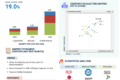
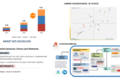
The home healthcare market encompasses medical devices, monitoring systems, software, and professional services designed to deliver clinical care and daily living support directly in a patient’s residence. It serves as a cost-effective alternative to hospital or clinic-based treatment, primarily catering to individuals managing chronic conditions, post-surgical recovery, or age-related care requirements.
The global healthcare analytics market is projected to reach USD 213.27 billion by 2031 from USD 69.74 billion in 2026, growing at a compound annual growth rate (CAGR) of 25.1%.
Download PDF Brochure:https://www.marketsandmarkets.com/pdfdownloadNew.asp?id=905
The home healthcare market is primarily driven by a rapidly aging global population and the escalating prevalence of chronic conditions like diabetes and cardiovascular diseases, alongside shifting payer economics that favor more affordable, value-based alternatives to inpatient stays. However, expansion is heavily restrained by critical workforce shortages of skilled nurses and aides, changing reimbursement policies, and unclear regulatory guidelines for home medical devices. Lucrative opportunities exist in the rapid integration of artificial intelligence and remote patient monitoring technologies that enhance operational efficiency and expand connected healthcare ecosystems into underserved areas. Despite these prospects, the market faces key challenges, including high clinical staff burnout and turnover rates, severe economic strain on patients due to a lack of out-of-pocket insurance coverage for ongoing treatments, and emerging cybersecurity threats to medical IoT devices.
The target customers for the home healthcare market comprise a diverse mix of clinical patients, specialized demographics, and institutional coordinators, primarily dominated by the rapidly expanding geriatric population, individuals managing chronic conditions like diabetes, cancer, and respiratory illnesses, and post-surgical patients requiring temporary rehabilitation. These consumers urgently need professional medical assistance, specialized chronic disease management, and help with activities of daily living (ADLs) to lower hospitalization expenses and prevent readmissions. They heavily prefer personalized, compassionate, and cost-effective care delivered in the comfort and convenience of their own homes, increasingly favoring the integration of advanced telehealth platforms, wearable medical devices, and remote patient monitoring tools that enable continuous clinical oversight without compromising their independence. Their purchasing and utilization behavior is highly driven by healthcare provider recommendations, hospital discharge planners, and the availability of expanding government reimbursement programs or private insurance coverage, while family caregivers looking to alleviate burnout act as crucial decision-makers who heavily prioritize safety, reliability, and peace of mind when selecting a service agency.
Market entry, expansion, and profitability in the home healthcare market are significantly shaped by a combination of regulatory frameworks, technological advancements, and economic drivers. Regulatory factors include strict regional compliance standards alongside supportive government policies, such as expanded Medicare and Medicaid coverage, which enhance affordability and service adoption. Technologically, the rapid integration of telehealth platforms, remote patient monitoring devices, artificial intelligence, and IoT-enabled wearables allows for clinical-grade care delivery at home, driving substantial innovation but requiring continuous infrastructure investment. Economically, the market benefits from payer incentives that favor cost-effective residential care over expensive hospital stays to manage rising chronic illnesses in an aging population; however, high initial equipment costs and pricing pressures between premium systems and value-oriented alternatives present ongoing challenges to long-term profitability.
The home healthcare market is being rapidly shaped by a pronounced shift toward telehealth adoption, hospital-at-home programs, and the integration of AI-enabled technologies and predictive analytics to enhance personalized care. Key emerging trends include the widespread implementation of remote patient monitoring (RPM) systems and wearable medical devices that facilitate long-term, distributed healthcare management directly from a patient’s home. These trends are evolving at a swift pace driven by expanding elderly populations and a rising burden of chronic illnesses, as evidenced by robust growth metrics across the sector; the global home healthcare market is expanding at a projected compound annual growth rate (CAGR) ranging from 8.5% to 8.9% through 2030, while specific segments like the Asia Pacific regional market are poised to accelerate even faster at a CAGR of 9.5%.
Download PDF Brochure:https://www.marketsandmarkets.com/pdfdownloadNew.asp?id=905
Technological innovations disrupting the home healthcare market are centered on connectivity, predictive analytics, and enhanced independence, driven primarily by the integration of remote patient monitoring tools, telehealth platforms, and wearable health devices that track vital signs in real time. The industry is seeing significant traction in the adoption of artificial intelligence and machine learning to analyze patterns from smart sensors, enabling predictive interventions that catch early health deterioration and shift care models from reactive to preventive. Furthermore, the market is experiencing disruption from smart home technologies—such as motion detectors, fall-detection systems, and voice-activated assistants—alongside automated scheduling tools and early-stage robotics that alleviate administrative and physical burdens for caregivers while allowing an aging population to safely age in place.
In the home healthcare market, short-term trends are driven by temporary market adjustments and immediate shifts in consumer preferences toward niche digital wellness apps and temporary post-operative care needs. Conversely, long-term structural shifts are firmly anchored in enduring demographic changes and advanced technological infrastructure. These permanent transformations include the rapid expansion of remote patient monitoring systems, telehealth platforms, and AI-enabled home care technologies, which are driven by a globally aging population and a rising burden of chronic diseases such as heart disease, diabetes, and neurological disorders. This permanent evolution is further reinforced by a strong shift toward institutionalized “hospital-at-home” programs and integrated digital health ecosystems that prioritize cost-effective, long-term care management in the comfort of a patient’s residence.
Source:https://www.marketsandmarkets.com/Market-Reports/healthcare-data-analytics-market-905.html