In an era of smart factories, predictive maintenance, and lights-out manufacturing, industrial automation is evolving at an unprecedented pace. At the heart of this transformation lies a powerful yet often overlooked component: the solid state relay (SSR).
Unlike traditional electromechanical relays, solid state relays offer faster switching speeds, longer lifespans, silent operation, and greater reliability — all of which make them critical in the push for smarter, safer, and more efficient industrial systems. As automation demands escalate across sectors, the Solid State Relay Market is emerging as a foundational enabler of next-generation industrial control.
What Are Solid State Relays, and Why Do They Matter?
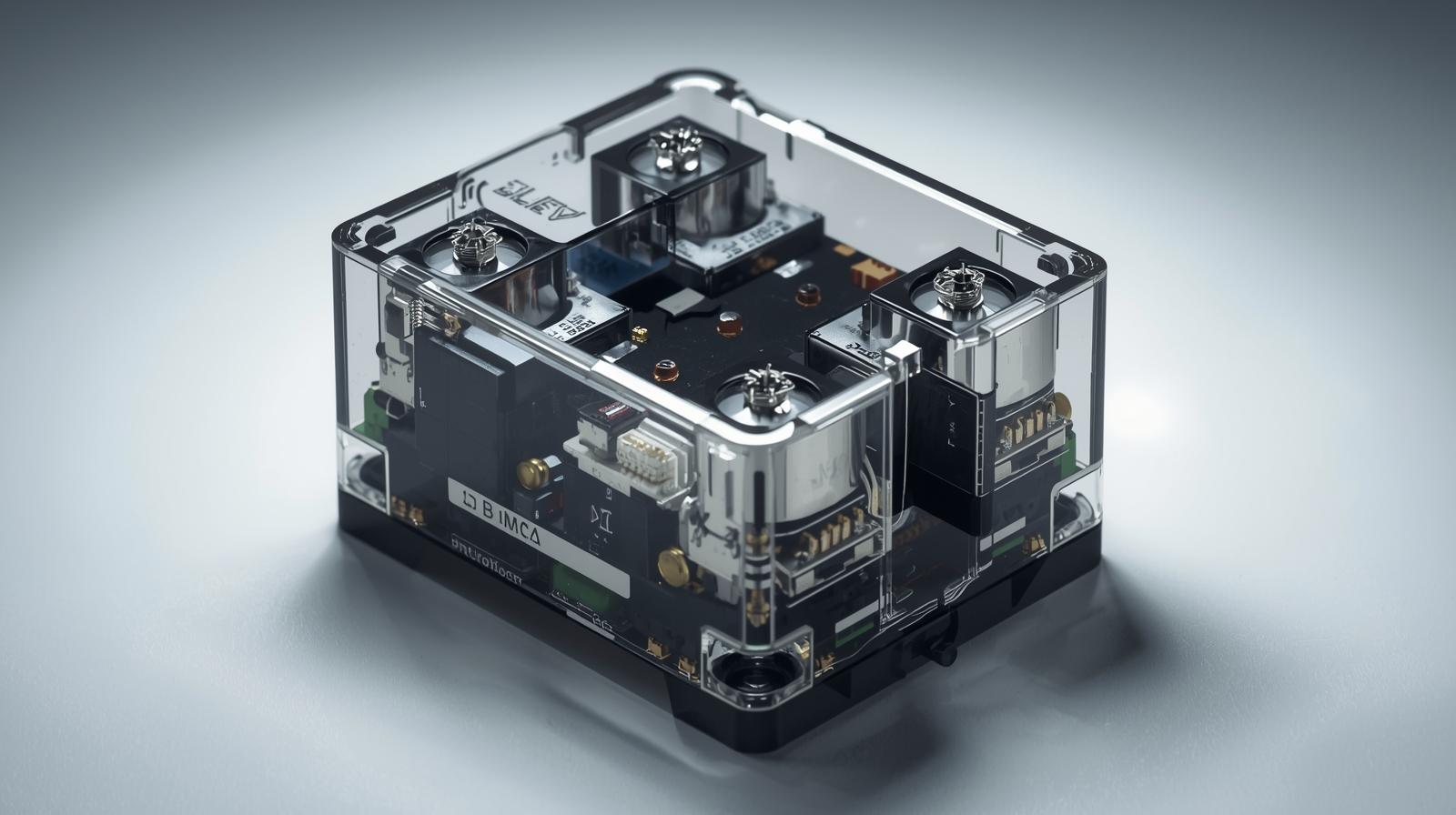
Solid state relays are electronic switching devices that operate without moving parts. Instead of using physical contacts like mechanical relays, SSRs rely on semiconductor components such as thyristors, triacs, and transistors to perform the switching function.
The result? Near-instant switching, minimal wear and tear, and resistance to shock, vibration, and environmental stress. These qualities make SSRs ideal for high-speed, high-volume, and high-reliability environments, such as automated manufacturing lines, robotics, packaging systems, HVAC controls, and motion control systems.
In short, solid state relays deliver the precision, efficiency, and durability that modern automation systems demand — and they’re doing it at scale.
Market Momentum: Growth Backed by Demand for Smart Automation
The global solid state relay market is on a steep upward trajectory, fueled by the accelerating adoption of Industry 4.0, the Industrial Internet of Things (IIoT), and smart factory initiatives. As industries strive to digitize operations and reduce human intervention, the need for reliable and maintenance-free switching has never been greater.
MarketsandMarkets Solid State Relay Industry worth $2.36 billion by 2030, driven by rising demand in key sectors such as:
- Industrial automation and robotics
- Automotive and electric vehicles (EVs)
- Semiconductor manufacturing
- Building automation and smart infrastructure
- Renewable energy systems (solar, wind, smart grids)
These applications require components that can endure millions of cycles without failure — something SSRs excel at, especially when paired with advanced control systems and edge computing architectures.
Download PDF Brochure @ https://www.marketsandmarkets.com/pdfdownloadNew.asp?id=260413598
The Role of SSRs in Industrial Control Systems
Industrial automation thrives on reliability, repeatability, and precision — all areas where SSRs outperform their electromechanical counterparts. In programmable logic controllers (PLCs), motor controllers, temperature regulators, and power distribution systems, solid state relays are helping reduce downtime and improve energy efficiency.
SSRs are also essential in high-frequency switching applications where traditional relays would fail prematurely due to arcing or mechanical fatigue. For example, in conveyor belt systems, packaging machines, or robotic arms that operate continuously across multiple shifts, SSRs provide stable performance with zero maintenance requirements.
Additionally, their silent operation and compact form factor make them ideal for noise-sensitive environments and dense electrical panels — a growing concern as factories digitize and floor space becomes premium.
Benefits That Align with Smart Manufacturing Goals
The shift to smart manufacturing is redefining what’s expected from every component in the automation chain — and solid state relays are rising to the occasion. Key benefits that align with Industry 4.0 goals include:
- Longevity: SSRs can perform millions of cycles without mechanical failure.
- Energy Efficiency: Lower power consumption compared to mechanical relays.
- Noise Reduction: No moving parts = silent operation — ideal for indoor or precision applications.
- Fast Switching: Microsecond-level switching speeds improve process control and accuracy.
- Reduced Downtime: Less maintenance, fewer replacements, and improved reliability all contribute to higher uptime.
- These advantages make solid state relays a smart investment for manufacturers aiming to modernize their systems while cutting operational costs.
What’s Next for the SSR Market?
As automation deepens across industries, SSRs are expected to play an even larger role in supporting AI-driven control systems, predictive maintenance algorithms, and fully autonomous production lines.
Future innovations may include SSRs integrated with onboard diagnostics, self-reporting features for failure prediction, and advanced thermal management to support higher power loads. Additionally, custom and application-specific SSRs are gaining traction as industries demand components tailored to their unique environments and workloads.
In emerging economies and developing regions, increasing industrialization will further boost demand, especially where infrastructure needs rugged, low-maintenance solutions that can perform in challenging conditions.
Conclusion: Silent Components with a Loud Impact
While solid state relays may not steal the spotlight like robots or AI, they are quietly becoming one of the most indispensable components in modern industrial systems. Their ability to provide high-performance switching in compact, durable, and maintenance-free packages makes them essential to the ongoing evolution of automation.
As manufacturers around the world invest in smarter, faster, and more sustainable operations, the Solid State Relay Market will continue to grow — not just as a niche component category, but as a critical driver of industrial transformation.
Major Solid State Relay Companies Include:
- ABB (Switzerland)
- TE Connectivity (Switzerland)
- Sensata Technologies, Inc. (US)
- Rockwell Automation (US)
- Schneider Electric (France)
- Siemens (Germany)
- Infineon Technologies AG (Germany)
- Panasonic Corporation (Japan)
- Eaton (Ireland)
- Denso Corporation (Japan)
- Broadcom (US)
Solid State Relay (SSR) Market – Frequently Asked Questions (FAQ)
1. What is a solid state relay (SSR)?
A solid state relay is an electronic switching device that uses semiconductor components—such as triacs, thyristors, or transistors—to control power without any moving parts. Unlike traditional electromechanical relays, SSRs offer faster switching, silent operation, and a much longer operational life.
2. How is the solid state relay market growing?
The global SSR market is experiencing steady growth, driven by increasing demand for industrial automation, smart manufacturing, renewable energy systems, and electric vehicles (EVs). Market analysts project significant CAGR (compound annual growth rate) through 2030 and beyond.
3. What makes SSRs ideal for industrial automation?
SSRs are preferred in industrial settings because they offer:
- High-speed switching
- Maintenance-free operation
- Resistance to vibration and mechanical shock
- Long lifespan (millions of cycles)
- Compact size and silent performance
These attributes align perfectly with the needs of Industry 4.0 and high-reliability control systems.
4. What industries use solid state relays the most?
- Key industries using SSRs include:
- Industrial automation & robotics
- Automotive & EV manufacturing
- Semiconductor fabrication
- Building automation & HVAC
- Renewable energy (solar, wind, smart grids)
- Consumer electronics
