The home automation software and services market is transitioning from early enthusiast adoption to mainstream utility, driven by the convergence of affordable sensors, mature wireless standards, and AI-powered orchestration. Consumers now expect their homes to be safer, more energy efficient, and responsive to daily routines across lighting, climate, security, entertainment, and appliances. As a result, software platforms and managed services are becoming the backbone of smart living, abstracting device complexity into intuitive experiences.
Download PDF Brochure @ https://www.marketsandmarkets.com/pdfdownloadNew.asp?id=469
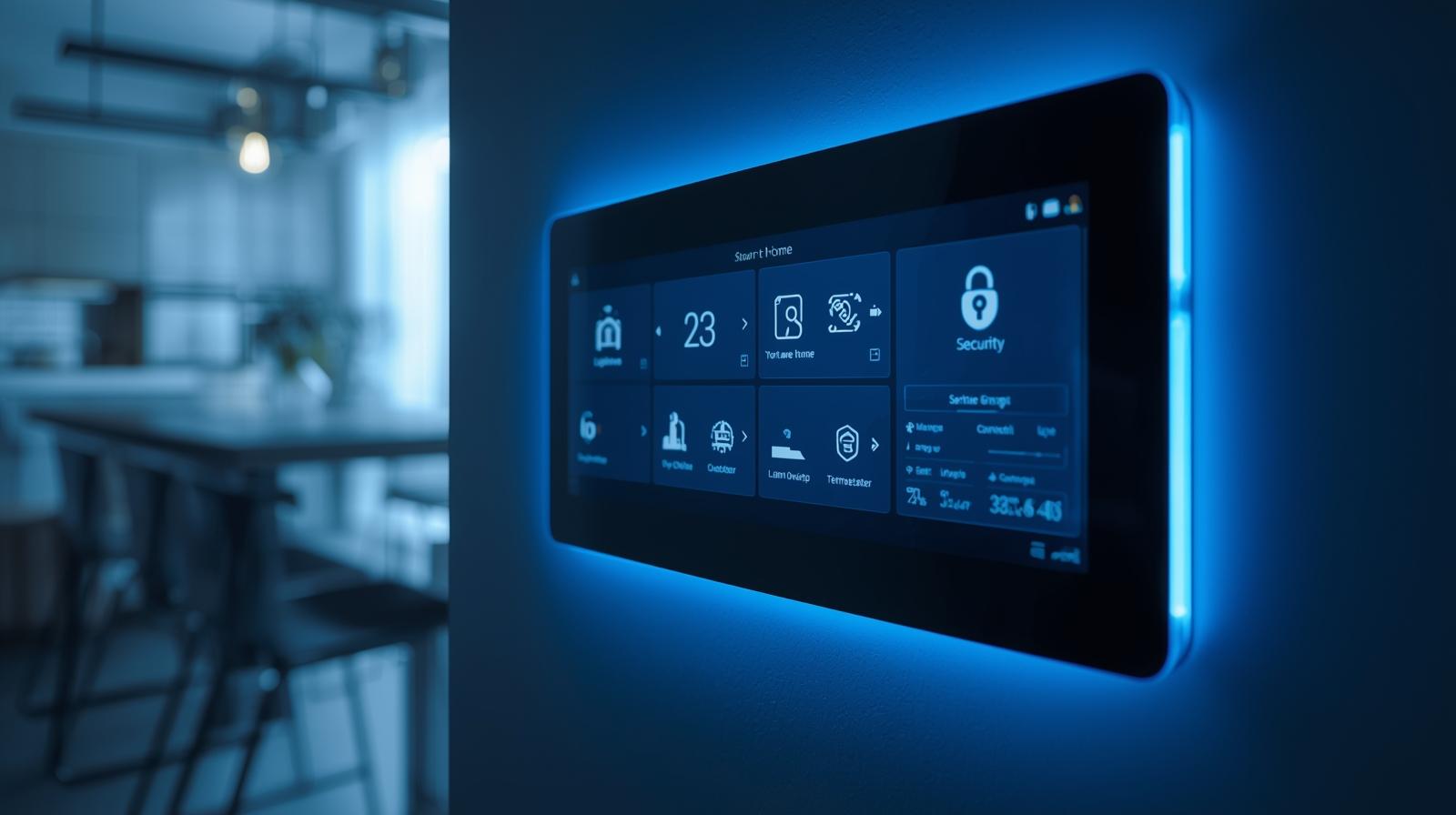
Market Growth Outlook
Growth over the next few years will be propelled by three reinforcing forces: the falling cost of connected devices, the rise of subscription-based home services, and the bundling of smart-home offerings with broadband, insurance, and energy plans. Software platforms are evolving from simple device control apps to full-stack orchestration layers that integrate cloud, edge, and mobile. On the services side, installation, configuration, monitoring, and maintenance are expanding into recurring revenue models such as professional monitoring, preventive diagnostics for HVAC and appliances, and concierge support. As households move from single-point solutions to whole-home bundles, average revenue per user increases and churn declines, supporting sustained market expansion.
Key Demand Drivers
Energy savings and grid-aware automation are becoming central purchasing drivers as electricity prices fluctuate and sustainability commitments grow. Security and safety remain foundational, with demand for intelligent video analytics, presence simulation, and proactive alerts. Health and wellness use cases—air-quality optimization, leak detection with water shutoff, and aging-in-place sensors—are moving from niche to mainstream. Convenience remains the gateway; voice assistants, context-aware scenes, and geo-fencing reduce friction and increase daily engagement, reinforcing perceived value.
Software Evolution: From Control to Intelligence
Home automation software is shifting from device-specific apps to unified platforms that normalize data across brands and protocols. Interoperability frameworks such as multi-admin, Thread, and Wi-Fi enhancements reduce fragmentation, while local processing on hubs, routers, and set-top boxes cuts latency and preserves privacy. AI-driven automation engines transform rules into outcomes by learning routines, predicting occupancy, and adapting comfort settings. Vendors are embedding anomaly detection that flags unusual energy spikes or water flow patterns, converting raw telemetry into actionable insights. Over-the-air updates and modular microservices architectures allow continuous feature delivery without replacing hardware, protecting customer investments.
Services Landscape: Professionalization and Partnerships
Services are professionalizing as providers standardize site surveys, installation workflows, and remote management. Telcos and cable operators bundle smart-home apps with gateways and mesh Wi-Fi, while security firms extend from alarms into cameras, locks, and environmental sensors with 24/7 monitoring. Utilities and energy retailers package smart thermostats and load-shifting automations into demand-response programs, sharing savings with homeowners. Insurers increasingly incentivize leak detection, smoke sensing, and security monitoring through premium discounts, tying risk reduction to device adoption. For complex homes, premium tiers offer white-glove design, network hardening, parental controls, and annual tune-ups.
Segmentation and Go-To-Market Dynamics
Software can be segmented into device control apps, platform middleware, and analytics/automation layers. Services span do-it-for-me installation, monitoring, cloud backups for video, and managed maintenance. Entry-level buyers often start with a single category—thermostats or smart locks—and expand through scenes that tie multiple devices into routines. Successful go-to-market strategies emphasize simple onboarding, clear ROI narratives around energy and safety, and transparent tiered subscriptions that scale from basic to whole-home coverage.
Interoperability and Standards
Interoperability remains both a challenge and a catalyst. Cross-brand compatibility reduces vendor lock-in and expands the addressable market, but it raises expectations for reliability and security. The winning software platforms will be protocol-agnostic, support local and cloud control, and provide robust developer ecosystems with well-documented APIs and certification paths. Retailers and integrators that curate pre-tested bundles and guarantee compatibility will gain trust and reduce returns.
Data Privacy, Security, and Compliance
As homes accumulate cameras, microphones, and motion data, privacy and security are strategic differentiators. Best-in-class platforms use end-to-end encryption, on-device processing for sensitive inference, and privacy dashboards that show where data lives and how it is used. Fine-grained permissions, guest access modes, and audit trails increase transparency. Compliance with regional data regulations and secure supply-chain practices will influence enterprise partnerships with telcos, utilities, and insurers.
Emerging Technology Trends
Edge AI is moving inference to hubs and cameras, enabling features like person detection, package recognition, and pet-friendly motion sensing without cloud latency. Wi-Fi 7 and Thread strengthen reliability for dense device environments, while power-efficient chips extend battery life for sensors. Digital twins of the home environment will support simulation of energy usage, HVAC tuning, and occupancy patterns before automations go live. Context fusion—combining presence, calendar, weather, and utility price signals—will make automations adaptive rather than rule-bound. Increasingly, electric vehicles, rooftop solar, and home batteries are integrated into energy-aware automations, allowing software to optimize comfort against tariff windows and carbon intensity.
Competitive Differentiation and Ecosystem Strategy
Differentiation will hinge on user experience quality, breadth of ecosystem integrations, and service reliability. Platforms that deliver effortless onboarding, resilient automations, and proactive customer support will command loyalty. Open ecosystems that welcome third-party devices and apps increase innovation velocity and reduce feature gaps. Strategic partnerships with builders and property managers enable pre-installed packages in new developments and multi-dwelling units, accelerating scale and reducing acquisition costs.
Outlook and Future Opportunities
Looking ahead, the market will shift from device-centric selling to outcomes-based value propositions: safer homes, lower bills, and healthier indoor environments. Software vendors that lean into interoperability, edge intelligence, and privacy-by-design will shape the next wave, while service providers that combine installation, monitoring, and lifecycle care will capture durable recurring revenue. As homes become micro energy hubs and digital living spaces, the most successful offerings will weave security, energy, and comfort into a single, adaptive experience that just works—elevating home automation from convenience to essential infrastructure.
See Related Semiconductor Reports:
Building Information Modeling Market by Design & Modeling Software, Construction Simulation & Scheduling Software, Sustainability & Energy Analysis Software, Facility & Asset Management Software and Training & Certification – Global Forecast to 2030
Smart Home Market Size, Share & Trends by Product (Lighting Controls, Smart Speaker, Entertainment, Smart Kitchen, HVAC Controls, Security & Access Controls), Offering (Behavioral, Proactive), Sales Channel, Installation Type and Region – Global Forecast to 2029
