The global agricultural sector is undergoing a profound transformation. This change is driven by the urgent need to feed a growing population with limited resources. The integration of the Internet of Things is revolutionizing traditional farming practices. Agriculture IoT involves connecting smart sensors and devices across farms. These devices collect and analyze data to inform better decision making. This technological shift is creating a new era of efficiency and productivity. It promises to make farming more precise and sustainable than ever before.
The Agriculture IoT industry is expanding at an unprecedented rate. Farmers are increasingly adopting these smart technologies to overcome modern challenges. These challenges include climate change, water scarcity, and labor shortages. The key trends in the Agriculture IoT industry are not just about automation. They are about gaining actionable intelligence from the field. This data driven approach allows for meticulous management of crops and livestock. The ultimate goal is to optimize every single input for maximum output.
This article will provide a detailed exploration of the key trends in the Agriculture IoT industry. We will delve into the specific technologies shaping the future of farming. Each trend represents a significant leap forward in agricultural science. Understanding these trends is crucial for anyone involved in the agri food sector. From precision farming to advanced data analytics, we will cover it all. The evolution of farming through IoT is a fascinating journey of innovation. It is a journey that is making our food systems smarter and more resilient.
The agriculture IoT market is expected to be valued at USD 8.86 billion in 2025 and USD 12.61 billion by 2030, registering a CAGR of 7.3% during the forecast period.
The Foundation of Modern Farming
Precision agriculture stands as the cornerstone of the Agriculture IoT revolution. It moves away from the traditional uniform treatment of entire fields. Instead, it focuses on managing variations within a field with pinpoint accuracy. This approach relies heavily on data collected from various IoT sensors. These sensors measure soil moisture, nutrient levels, and weather conditions. The data is then used to guide variable rate applications of water and fertilizer. This ensures that each plant receives exactly what it needs to thrive.
The benefits of precision agriculture are both economic and environmental. Farmers can significantly reduce their usage of essential resources. This includes water, fertilizers, and pesticides, leading to lower operational costs. Simultaneously, it minimizes the environmental impact of agricultural runoff. Crop yields often see a substantial increase due to optimized growing conditions. This creates a win win scenario for both the farmer and the planet. The adoption of precision techniques is a fundamental shift in farming philosophy. It is a move from intuition based decisions to data driven management.
The implementation of precision agriculture requires a suite of technologies. Global Positioning System technology is essential for mapping field variability. Smart sensors are deployed throughout the land to gather real time data. Automated irrigation systems can then respond to this data instantly. This interconnected system forms a responsive and intelligent farming network. It allows for a level of control that was previously unimaginable. The key trends in the Agriculture IoT industry are built upon this very foundation.
Intelligent Water Management
Water scarcity is one of the most pressing issues facing global agriculture. Smart irrigation systems have emerged as a critical solution to this challenge. These systems utilize a network of soil moisture sensors placed at different depths. The sensors provide continuous data on the water content in the root zone. This information is transmitted to a central control system for analysis. The system then automatically activates irrigation only when and where it is needed. This prevents both under watering and wasteful overwatering.
The efficiency gains from smart irrigation are truly remarkable. Farmers can reduce water consumption by up to thirty percent or more. This conservation is vital in drought prone regions around the world. These systems can be integrated with weather forecast data. They can delay irrigation if rainfall is expected in the near future. This level of intelligence ensures that not a single drop of water is wasted. It also promotes healthier plant growth by preventing root diseases associated with overwatering.
The adoption of smart irrigation is a clear example of sustainable technology. It directly addresses the challenge of resource conservation in modern farming. Governments and agricultural bodies are actively promoting these systems. They offer subsidies and training programs to encourage widespread adoption. The return on investment is quickly realized through lower water bills and better yields. This trend is a cornerstone of the key trends in the Agriculture IoT industry. It showcases how technology can create a more sustainable future for farming.
The Rise of Drones and Robotics
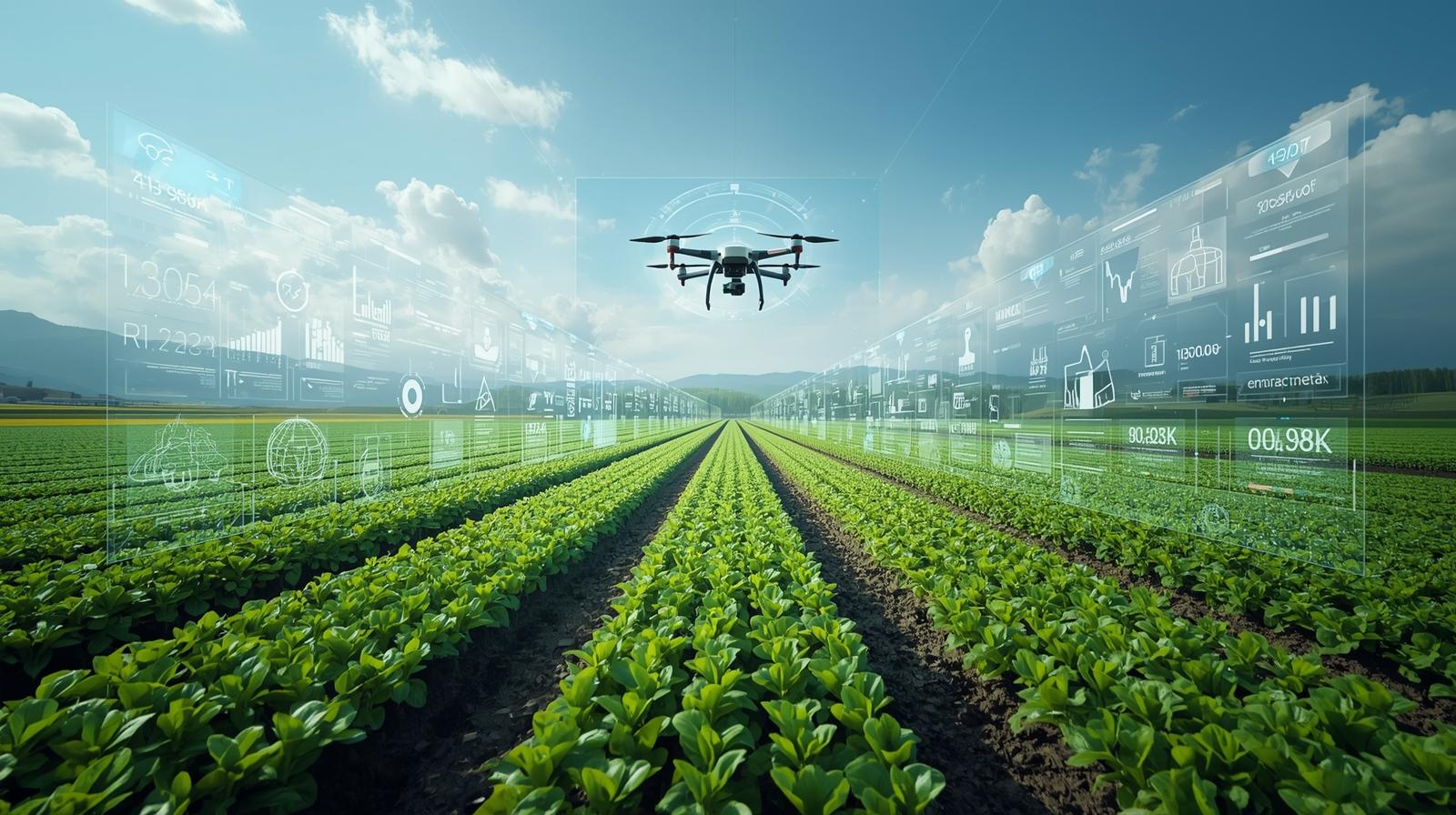
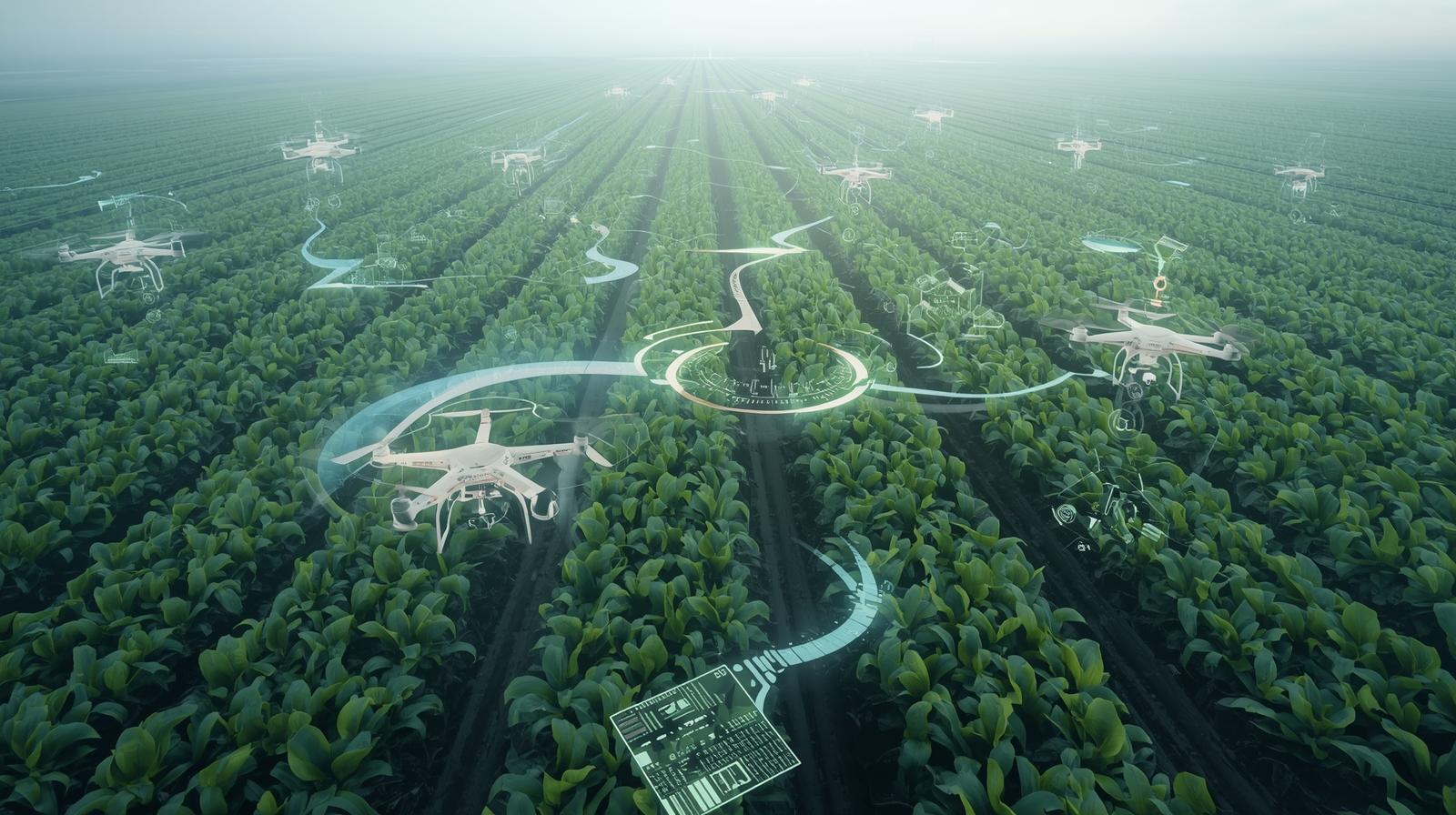
Unmanned Aerial Vehicles, commonly known as drones, are transforming farm management. They offer a powerful aerial perspective that was once costly and difficult to obtain. Drones equipped with multispectral and thermal cameras fly over fields. They capture high resolution images that reveal hidden issues. These images can show variations in plant health, pest infestations, and irrigation problems. This data allows farmers to identify troubled areas long before they are visible to the naked eye. It enables proactive rather than reactive management.
The applications for drones in agriculture are incredibly diverse. They are used for precise crop spraying, which reduces chemical usage and drift. Drones can also monitor large herds of livestock from the air, saving valuable time. They are instrumental in creating detailed 3D maps of farmland for planning purposes. The speed and efficiency of drones far surpass traditional ground based methods. This technology gives farmers a comprehensive view of their entire operation. It is an indispensable tool in the modern agricultural toolkit.
Alongside drones, autonomous tractors and robots are gaining traction. These machines can perform tasks like planting, weeding, and harvesting around the clock. They operate with a level of precision that reduces seed and fuel waste. Robotics help address the persistent issue of labor shortages in rural areas. These machines are not prone to fatigue and can work in all conditions. The integration of robotics is a logical progression in the key trends in the Agriculture IoT industry. It represents the full automation of physical farm labor.
Connecting the Entire Supply Chain
The impact of the Agriculture IoT industry extends far beyond the farm gate. It is creating a fully transparent and traceable food supply chain. Sensors are now used to monitor conditions during the transportation and storage of produce. These sensors track temperature, humidity, and shock in real time. This ensures that perishable goods like fruits and vegetables maintain their quality. It significantly reduces spoilage and food waste during transit. Consumers are increasingly demanding knowledge about their food’s origin.
Blockchain technology is often integrated with IoT for enhanced traceability. Every step of the product’s journey can be recorded on an immutable digital ledger. A consumer can simply scan a QR code on a product in the supermarket. They can then see the entire history of that item, from farm to shelf. This builds immense trust and confidence in the brand and the product. It also helps in quickly identifying the source of any contamination issues. This capability for rapid recall can save lives and protect company reputations.
This trend towards a connected supply chain benefits every stakeholder. Farmers receive fair compensation for producing high quality goods. Distributors can optimize their logistics based on real time condition data. Retailers can assure their customers of the freshness and safety of their products. This end to end visibility is a game changer for the agri food sector. It is one of the most impactful key trends in the Agriculture IoT industry. It promises a future where our food is safer, fresher, and more accountable.
The Power of Data and Artificial Intelligence
The multitude of sensors deployed on a farm generates an enormous amount of data. This raw data, by itself, holds limited value. The true power is unlocked through advanced data analytics and artificial intelligence. AI algorithms can process this vast dataset to uncover hidden patterns and correlations. They can predict future outcomes based on historical and real time information. For example, AI models can forecast potential pest outbreaks or disease spread. This gives farmers a critical window of time to take preventive action.
Machine learning, a subset of AI, continuously improves these predictive models. The more data the system processes, the smarter and more accurate it becomes. These systems can provide specific recommendations for action. They can advise on the optimal time to plant, fertilize, or harvest a crop. This moves beyond simple data reporting into the realm of prescriptive analytics. It is like having a team of expert agronomists available twenty four seven. This intelligence is transforming farm management into a science.
The integration of AI is the brain behind the entire Agriculture IoT ecosystem. It synthesizes information from drones, soil sensors, and weather stations. It then delivers clear, actionable insights to the farmer via a simple dashboard. This democratizes access to expert level knowledge. It empowers farmers to make the best possible decisions for their land. The role of data and AI is central to the key trends in the Agriculture IoT industry. It is the element that turns simple automation into genuine cognitive farming.
Sustainable Practices Through Technology
A common thread running through the key trends in the Agriculture IoT industry is sustainability. These technologies are powerful tools for promoting environmental stewardship. Precision application of inputs directly reduces the ecological footprint of farming. Lower chemical usage means healthier soils and cleaner waterways. Efficient water management conserves one of our planet’s most precious resources. The Agriculture IoT industry is proving that productivity and sustainability are not mutually exclusive. They can, and must, go hand in hand.
Livestock monitoring is another area where IoT promotes animal welfare and efficiency. Sensors can track the health, location, and activity of individual animals. This allows for early detection of illness, improving overall herd health. It also optimizes feeding schedules, ensuring each animal receives the right nutrition. This leads to better productivity and more humane farming practices. The well being of the animals is significantly enhanced through constant, non intrusive monitoring.
The push for a greener planet is a major driver for AgriTech adoption. Consumers and regulators are demanding more environmentally friendly food production methods. The Agriculture IoT industry provides the tools to meet these demands effectively. Farmers can now document their sustainable practices with hard data. This can become a marketable asset, appealing to eco conscious consumers. This trend underscores a larger movement towards regenerative agriculture. Technology is becoming an essential ally in the fight for a sustainable future.
Overcoming Challenges for Widespread Adoption
Despite the clear benefits, the adoption of Agriculture IoT faces several hurdles. The initial cost of purchasing and installing smart farming technology can be high. This is a significant barrier for smallholder farmers with limited capital. There is also a notable digital skills gap in many rural farming communities. Farmers need training to effectively use and interpret the data from these complex systems. Without proper support, the technology may not deliver its full potential. Bridging this gap is essential for equitable technological progress.
Connectivity remains a fundamental challenge in many agricultural areas. Reliable, high speed internet is the lifeblood of any IoT system. Many farms are located in regions with poor or nonexistent cellular and broadband coverage. This lack of infrastructure can render sophisticated IoT solutions useless. Efforts are underway to expand rural broadband and develop low power wide area networks. Solving the connectivity issue is a prerequisite for the mass adoption of smart farming.
Data security and privacy are also growing concerns. Farms generate vast amounts of sensitive operational data. Questions about who owns this data and how it is used are paramount. Farmers need assurance that their data is secure from cyber threats and misuse. Clear regulations and robust cybersecurity measures are needed to build trust. Addressing these challenges is a critical part of the ongoing evolution of the Agriculture IoT industry. The future growth of the sector depends on creating accessible, secure, and user friendly solutions.
Download PDF Brochure @
https://www.marketsandmarkets.com/pdfdownloadNew.asp?id=199564903
The Future of Farming is Connected
The key trends in the Agriculture IoT industry point towards an increasingly connected future. We are moving towards the concept of the fully autonomous, or smart, farm. In this future, every process will be seamlessly integrated and data driven. Machines will communicate with each other to coordinate tasks without human intervention. The entire farm will function as a single, highly efficient, intelligent organism. This vision is steadily becoming a reality thanks to continuous innovation.
The potential impact on global food security is immense. These technologies can help boost food production to meet the demands of a population nearing ten billion. They enable us to do so without proportionally increasing the amount of land or water used. This is a critical achievement for the preservation of natural ecosystems. The Agriculture IoT industry is not just about farming better; it is about feeding the world sustainably. It represents one of the most important technological developments of our time.
In conclusion, the key trends in the Agriculture IoT industry are reshaping agriculture. From precision farming and smart irrigation to drones and AI, the transformation is profound. These trends are driving unprecedented gains in efficiency, productivity, and sustainability. While challenges related to cost and connectivity remain, the momentum is undeniable. The future of farming is intelligent, data driven, and connected. Embracing these key trends in the Agriculture IoT industry is essential for building a resilient food system for generations to come.
Explore In-Depth Semiconductor & Electronics Market Research:
https://www.marketsandmarkets.com/semiconductorand-electonics-market-research-87.html
Frequently Asked Questions (FAQs)
1. What is Agriculture IoT?
Agriculture IoT refers to the use of internet connected sensors, devices, and software in farming. These technologies collect and analyze data from the field to help farmers monitor crops and livestock. The goal is to automate processes and make informed decisions for better outcomes.
2. How does IoT help in precision agriculture?
IoT enables precision agriculture by providing real time data on soil conditions, crop health, and weather. This data allows farmers to apply water, fertilizers, and pesticides only where and when they are needed. It reduces waste and maximizes yield by treating a field as a collection of micro managable zones.
3. Are IoT solutions affordable for small scale farmers?
The initial cost can be a barrier, but the market is evolving. Many companies now offer scalable solutions and subscription models to make it more accessible. Government grants and subsidies in some regions are also helping small scale farmers adopt these technologies.
4. What is the role of AI in Agriculture IoT?
Artificial Intelligence analyzes the vast amounts of data collected by IoT sensors. It identifies patterns and predicts outcomes like disease outbreaks or optimal harvest times. AI provides prescriptive insights, turning raw data into actionable recommendations for the farmer.
5. How does IoT contribute to sustainable farming?
IoT promotes sustainability by enabling highly efficient use of resources. Smart irrigation conserves water, while precision application reduces chemical fertilizer and pesticide use. This minimizes environmental impact and leads to a smaller carbon footprint for farming operations.
See The Latest Semiconductor Reports:
Proximity Sensor Market Size, Share & Trends : https://www.marketsandmarkets.com/Market-Reports/proximity-sensor-market-36281914.html
Terahertz Technology Market Size, Share & Trends : https://www.marketsandmarkets.com/Market-Reports/terahertz-technology-market-71182197.html
Actuators Market Size, Share & Trends : https://www.marketsandmarkets.com/Market-Reports/global-actuators-market-59465451.html
Time-Sensitive Networking Market Size, Share & Trends : https://www.marketsandmarkets.com/Market-Reports/time-sensitive-networking-market-215000493.html
Battery Technology Market Size, Share & Trends : https://www.marketsandmarkets.com/Market-Reports/battery-technology-market-253343109.html
Smart Appliances Market : https://www.marketsandmarkets.com/Market-Reports/smart-appliances-market-8228252.html
