The global solar industry is undergoing rapid transformation, and one of the most disruptive developments in recent years is the growing adoption of micro-inverters. These compact, panel-level devices are enhancing energy output, system monitoring, and design flexibility in solar photovoltaic (PV) installations. As the shift toward decentralized and smarter energy systems accelerates, Micro-Inverter Market Trends are drawing attention from investors, manufacturers, and installers alike.
Explores the key trends shaping the Micro-Inverter Market, focusing on rising demand for energy efficiency, real-time performance monitoring, and the benefits of modular scalability.
Efficiency Takes Center Stage in Micro-Inverter Market Trends
The global Micro Inverter Industry Size is expected to be valued at USD 4.9 billion in 2024 and is projected to reach USD 14.5 billion by 2029; it is expected to grow at a CAGR of 24.1% , One of the most defining Micro-Inverter Market Trends is the move toward higher energy efficiency. Micro-inverters operate independently at the solar panel level, allowing each panel to perform optimally regardless of shading or orientation. This is a significant improvement over traditional string inverters, where the performance of one panel can limit the output of the entire system.
As more solar installations occur in urban, residential, and complex rooftop settings, maximizing output from every panel is crucial. The trend toward panel-level optimization is driving the micro-inverter segment forward, especially in markets where land or roof space is limited.
Smart Monitoring and Digital Integration
Another major trend in the Micro-Inverter Market is the integration of advanced monitoring and analytics. Modern micro-inverters are equipped with built-in communication modules that connect to cloud-based platforms, allowing users to track performance metrics in real-time.
These digital capabilities align with broader Micro-Inverter Market Trends around smart grid compatibility and predictive maintenance. Consumers and utilities benefit from greater visibility, fault detection, and performance optimization—paving the way for smarter energy management and integration into Internet of Things (IoT) ecosystems.
Download PDF Brochure @ https://www.marketsandmarkets.com/pdfdownloadNew.asp?id=43340469
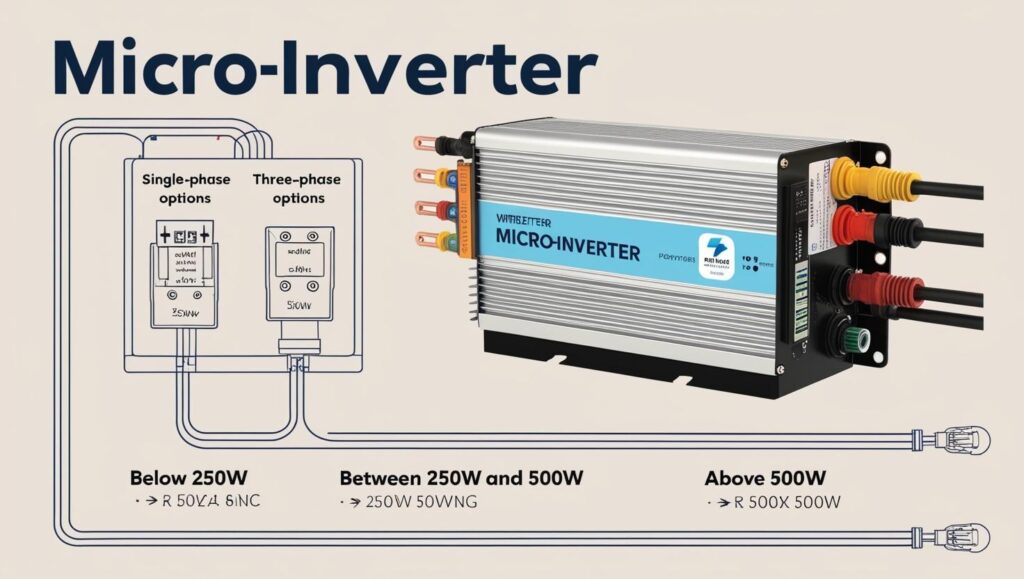
Modular Scalability Gains Traction
Micro-Inverter Market Trends also highlight the rising preference for modular system design. Because micro-inverters function independently, solar systems can be expanded panel by panel without the need for redesigning the inverter setup. This scalability is ideal for residential users planning future expansions or for commercial installations requiring phased development.
The plug-and-play nature of micro-inverters simplifies installation and lowers labor costs, making them attractive to both end-users and solar installers. As demand for flexible solar solutions grows, modularity is emerging as a core advantage in the micro-inverter landscape.
Technology Advancements Driving Market Growth
Recent Micro-Inverter Market Trends show that technological advancements are improving inverter performance while reducing costs. Manufacturers are focusing on:
- Enhancing energy conversion efficiency
- Improving heat dissipation and reliability
- Integrating with energy storage systems
- Supporting bi-directional energy flows for smart homes and vehicle-to-grid (V2G) applications
The trend toward hybrid inverters and storage-ready systems is further strengthening the micro-inverter segment, especially in off-grid and grid-interactive solar projects.
Global Adoption and Regional Insights
Micro-Inverter Market Trends vary by region:
- North America is the leading market, driven by strong residential solar demand, favorable policy incentives, and innovation from companies like Enphase Energy.
- Europe is seeing rapid adoption due to solar-friendly regulations and the rise of building-integrated photovoltaics (BIPV).
- Asia-Pacific, particularly Australia and Japan, is experiencing strong growth as homeowners and businesses seek efficient rooftop solar solutions.
- As these regions push for energy independence and grid modernization, the global Micro-Inverter Market is set to expand significantly in the coming years.
Challenges to Watch
Despite strong momentum, some challenges continue to influence Micro-Inverter Market Trends:
Upfront Costs: While prices are falling, micro-inverters still cost more per watt than string inverters, which can impact adoption in cost-sensitive markets.
Service Complexity: Troubleshooting issues at the panel level may require additional labor compared to centralized systems.
Utility-Scale Limitations: Large-scale solar farms may still prefer string or central inverters due to economies of scale.
However, as technology advances and micro-inverters become more cost-effective, these barriers are steadily being addressed.
The latest Micro-Inverter Market Trends reflect a growing shift toward smarter, more efficient, and more flexible solar power systems. Panel-level optimization, real-time monitoring, and modular expansion are no longer just value-adds—they’re becoming industry standards.
With continued innovation, supportive government policies, and rising consumer demand for clean energy, the micro-inverter market is poised for robust growth in the residential, commercial, and small-scale industrial solar sectors.
Frequently Asked Questions (FAQ) – Micro-Inverter Market Trends
Q1: What are the key Micro-Inverter Market Trends currently driving growth?
The most prominent Micro-Inverter Market Trends include increased demand for panel-level energy efficiency, integration of advanced real-time monitoring systems, and modular scalability for flexible system expansion. These trends are reshaping the solar industry, particularly in residential and distributed energy systems.
Q2: Why are micro-inverters considered more efficient than string inverters?
Micro-inverters optimize power output at the individual solar panel level, unlike string inverters which manage groups of panels. This allows for maximum efficiency even if some panels are shaded, dirty, or oriented differently—one of the most important trends in solar system design today.
Q3: How does monitoring play a role in Micro-Inverter Market Trends?
Modern micro-inverters come with built-in monitoring features that allow users and installers to track each panel’s performance in real time. This supports predictive maintenance, early fault detection, and more efficient energy management, aligning with digitalization trends in the energy sector.
Q4: What makes micro-inverters attractive for residential solar installations?
Scalability is a major factor. Homeowners can start with a small solar array and easily expand over time without redesigning the entire system. This flexibility is one of the leading Micro-Inverter Market Trends in residential solar adoption.
Q5: Are micro-inverters being adopted in commercial or industrial solar markets?
Yes, although they are more common in residential systems, micro-inverters are gaining traction in small-to-medium commercial applications where system design flexibility, safety, and monitoring are top priorities.
About MarketsandMarkets™
MarketsandMarkets™ is a blue ocean alternative in growth consulting and program management, leveraging a man-machine offering to drive supernormal growth for progressive organizations in the B2B space. We have the widest lens on emerging technologies, making us proficient in co-creating supernormal growth for clients.
The B2B economy is witnessing the emergence of $25 trillion of new revenue streams that are substituting existing revenue streams in this decade alone. We work with clients on growth programs, helping them monetize this $25 trillion opportunity through our service lines – TAM Expansion, Go-to-Market (GTM) Strategy to Execution, Market Share Gain, Account Enablement, and Thought Leadership Marketing.
Built on the ’GIVE Growth’ principle, we work with several Forbes Global 2000 B2B companies – helping them stay relevant in a disruptive ecosystem. Our insights and strategies are molded by our industry experts, cutting-edge AI-powered Market Intelligence Cloud, and years of research. The KnowledgeStore™ (our Market Intelligence Cloud) integrates our research, facilitates an analysis of interconnections through a set of applications, helping clients look at the entire ecosystem and understand the revenue shifts happening in their industry.
To find out more, visit www.MarketsandMarkets™.com or follow us on Twitter, LinkedIn and Facebook.
Contact:
Mr. Rohan Salgarkar
MarketsandMarkets™ INC.
1615 South Congress Ave.
Suite 103
Delray Beach, FL 33445
USA : 1-888-600-6441
