The residential HVAC system market is experiencing a period of unprecedented transformation and growth. This dynamic sector is no longer just about basic heating and cooling. It has evolved into a sophisticated industry driven by technological innovation, environmental concerns, and changing homeowner expectations. The opportunities within the residential HVAC system market are vast and multifaceted. They range from the integration of smart home technology to the rising demand for sustainable and energy efficient solutions. Understanding these drivers is essential for manufacturers, contractors, and investors looking to capitalize on this expanding market. The future of home comfort is being redefined, creating a fertile ground for innovation and profitability.
Several key factors are propelling the growth of the residential HVAC system market. Rising global temperatures and increasing frequency of extreme weather events are making climate control a necessity rather than a luxury. Disposable income levels are rising in emerging economies, allowing more homeowners to invest in modern comfort systems. Furthermore, aging HVAC infrastructure in developed nations is creating a consistent demand for replacement units. Government incentives and stricter energy efficiency regulations are also encouraging homeowners to upgrade their systems. These converging trends create a powerful tailwind for the entire residential HVAC industry, opening up numerous avenues for business development and market expansion.
The opportunities in the residential HVAC system market are not uniform. They vary significantly based on geographic location, economic development, and climate. In North America and Europe, the market is largely replacement driven, focusing on high efficiency and smart features. In contrast, the Asia Pacific region presents massive opportunities for new installations due to rapid urbanization and a growing middle class. Each region requires a tailored approach to product offering and marketing strategy. Recognizing these regional nuances is critical for successfully navigating the global residential HVAC system market landscape and maximizing return on investment for stakeholders at every level.
The global HVAC System Market size was estimated at USD 289.99 billion in 2024 and is predicted to increase from USD 299.28 billion in 2025 to approximately USD 407.77 billion in 2030, expanding at a CAGR of 6.4% from 2025 to 2030.
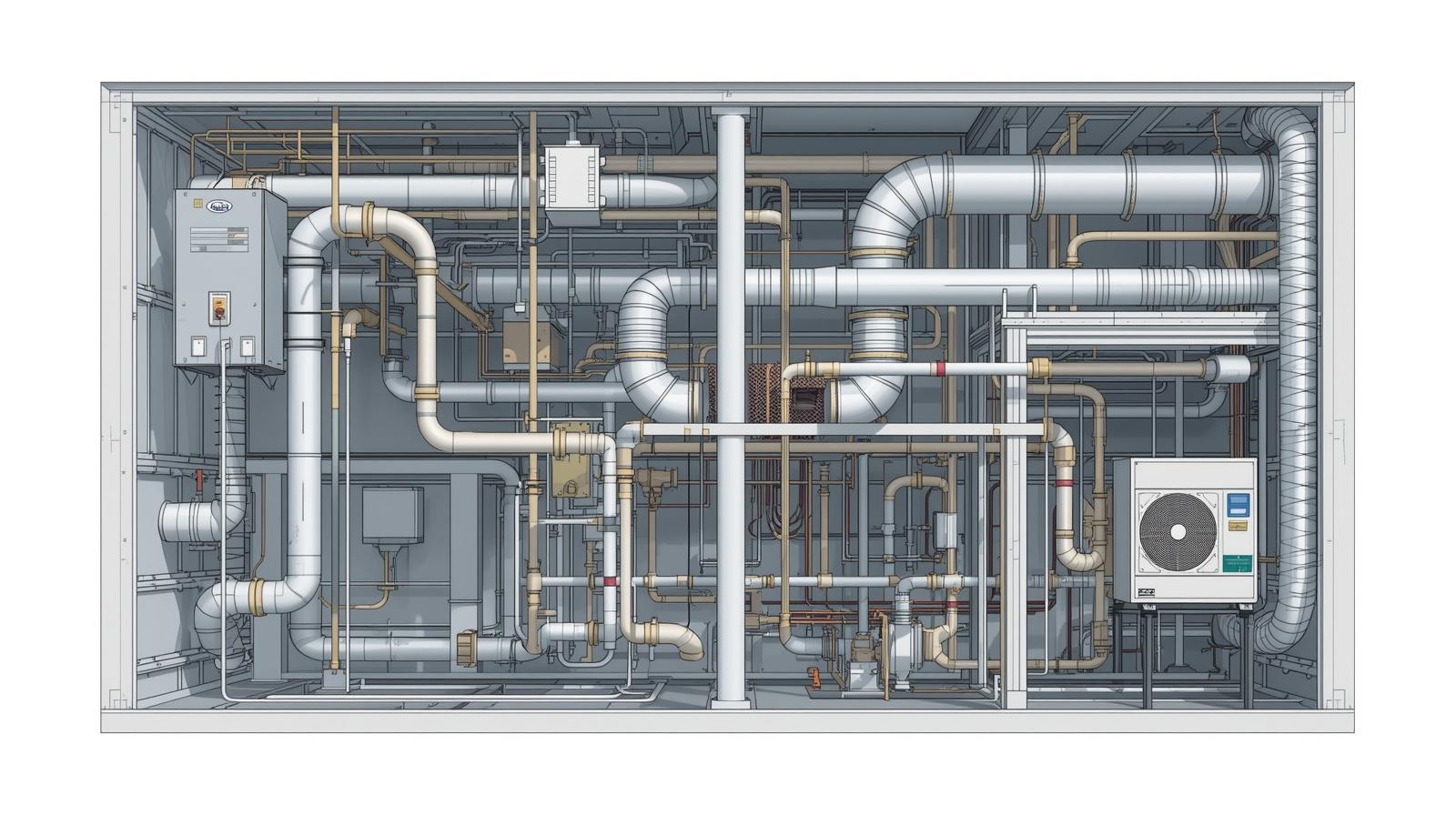
The Surge of Smart and Connected HVAC Systems
The integration of Internet of Things technology represents one of the most significant opportunities in the residential HVAC system market. Smart thermostats have become the gateway to the connected home, and their popularity is soaring. These devices allow homeowners to control their heating and cooling remotely via smartphones, leading to enhanced convenience and substantial energy savings. The ability to create custom schedules and receive maintenance alerts adds immense value. This trend is pushing HVAC manufacturers to develop compatible systems or integrate smart technology directly into their units. The connected ecosystem is a major growth driver for the residential HVAC system market.
Beyond simple remote control, the future lies in fully integrated and predictive smart HVAC systems. These advanced systems can learn a household’s patterns and automatically adjust temperatures for optimal comfort and efficiency. They can also connect with other smart home devices, such as window sensors or air quality monitors, to create a holistic living environment. For instance, the system can ventilate a home when indoor air quality drops or adjust settings when a window is opened. This level of automation and intelligence presents a premium opportunity for contractors to offer high value solutions. The residential HVAC system market is increasingly becoming a key component of the broader smart home industry.
The data generated by connected HVAC systems opens another frontier of opportunity. Manufacturers and service providers can leverage this data to offer proactive maintenance services. By monitoring system performance in real time, they can identify potential issues before they lead to a breakdown. This shift from reactive repairs to predictive maintenance creates a new, recurring revenue stream for HVAC companies. It also builds stronger customer relationships by preventing inconvenient system failures. Data analytics will play a pivotal role in shaping service models and product development within the residential HVAC system market for years to come.
The Imperative of Energy Efficiency and Sustainability
Energy efficiency remains a cornerstone of the modern residential HVAC system market. Homeowners are increasingly conscious of their utility bills and environmental footprint. This awareness is driving demand for systems with high Seasonal Energy Efficiency Ratio ratings for air conditioners and high Annual Fuel Utilization Efficiency ratings for furnaces. Government agencies worldwide are implementing stricter minimum efficiency standards, which further accelerates the adoption of advanced technologies. Incentives and rebates for Energy Star certified products make these efficient systems more accessible. This focus on efficiency is a permanent and growing trend within the residential HVAC system market.
The transition towards low Global Warming Potential refrigerants is creating a substantial market shift. The phasedown of hydrochlorofluorocarbons and hydrofluorocarbons is mandated by international agreements like the Kigali Amendment. This regulatory push is compelling the industry to adopt next generation refrigerants with a lower environmental impact. Manufacturers who invest in research and development for systems using these new refrigerants will gain a significant competitive advantage. This transition is not just a compliance issue but a major opportunity to lead the market in sustainability. The residential HVAC system market is at the forefront of the fight against climate change.
Renewable energy integration is another burgeoning opportunity within the residential HVAC sector. Geothermal heat pump systems, which use the earth’s stable temperature to heat and cool homes, offer incredible efficiency. Although the initial investment is higher, the long term energy savings and environmental benefits are substantial. Similarly, air source heat pumps are gaining popularity as an all in one solution for both heating and cooling, especially in milder climates. Solar powered HVAC systems are also emerging, allowing homeowners to power their comfort systems with clean energy. These technologies represent the high growth, premium segment of the residential HVAC system market.
Focus on Indoor Air Quality and Healthier Homes
The COVID 19 pandemic fundamentally altered homeowner priorities, placing a sharp focus on indoor air quality. This has unlocked a massive ancillary market for the residential HVAC industry. Homeowners are now actively seeking solutions that do more than just control temperature. They want systems that can filter out allergens, pathogens, and pollutants to create a healthier living environment. This demand extends beyond the basic filter to advanced purification technologies. This shift presents a clear opportunity for the residential HVAC system market to expand its value proposition from comfort to health and wellness.
Advanced air purification technologies are becoming a standard upgrade option. Ultraviolet germicidal irradiation systems can neutralize bacteria, viruses, and mold spores within the ductwork. High efficiency particulate air filters can capture microscopic particles that standard filters miss. Energy recovery ventilators bring in fresh outdoor air while conserving energy by preconditioning it. These IAQ enhancements are no longer niche products but are becoming integral components of a modern residential HVAC system. Contractors who can expertly advise on and install these solutions will differentiate themselves in a competitive market.
The opportunity in indoor air quality is also about education and awareness. Many homeowners are unaware of the impact their HVAC system has on the air they breathe. Companies that take the lead in educating the public about the importance of proper ventilation, filtration, and humidity control will build trust and credibility. This educational approach can drive demand for both new system installations and retrofitting existing systems with IAQ upgrades. The residential HVAC system market has a chance to position itself as an essential service for healthy living, thereby expanding its customer base and increasing the average transaction value per job.
The Critical Role of Skilled Labor and Service Innovation
A significant challenge that also represents an opportunity is the shortage of skilled HVAC technicians. As older technicians retire, the industry faces a growing gap in qualified labor. This shortage creates an urgent need for training and development programs. Companies that invest in apprenticeships and technical education will secure a reliable pipeline of talent. This investment in human capital is a strategic opportunity to build a competitive advantage. A well trained workforce is essential for installing and maintaining the complex systems that define the modern residential HVAC system market.
The service side of the business offers recurring revenue opportunities that are highly lucrative. Traditional breakdown based service models are being supplemented by planned maintenance agreements. These agreements provide homeowners with peace of mind and regular system checkups. For companies, they ensure a steady, predictable income stream throughout the year, independent of new installation sales. This model fosters long term customer relationships and leads to higher customer lifetime value. Service innovation is therefore a cornerstone of a sustainable business strategy within the residential HVAC system market.
Digital tools are revolutionizing customer service and operational efficiency. Software platforms for scheduling, dispatching, and customer relationship management are becoming essential. Technicians can use tablets to access customer history, manuals, and parts information on the go. Mobile payment solutions streamline the billing process. These technologies improve the customer experience, reduce administrative overhead, and allow companies to handle a larger volume of service calls. Embracing digital transformation is no longer optional for businesses that want to thrive in the competitive residential HVAC system market landscape.
Download PDF Brochure for More Info @
https://www.marketsandmarkets.com/pdfdownloadNew.asp?id=202111288
Regional Market Dynamics and Untapped Potential
The Asia Pacific region is poised to be the engine of growth for the global residential HVAC system market. Rapid urbanization, a booming middle class, and extreme climate conditions in countries like India and China are driving massive demand. This region presents immense opportunities for both affordable, entry level systems and increasingly, for premium, efficient models. Local manufacturers have a strong presence, but international players are also competing aggressively. Understanding local preferences, distribution channels, and regulatory environments is key to success in the diverse Asia Pacific residential HVAC system market.
North America and Europe represent mature but stable markets with distinct opportunities. Here, the focus is overwhelmingly on replacement and upgrades rather than new construction. Homeowners in these regions are highly informed and value energy efficiency, smart features, and improved indoor air quality. The opportunity lies in trading customers up to higher margin, technologically advanced systems. Furthermore, the retrofit market for replacing outdated systems with modern heat pumps or geothermal systems is enormous. These regions will continue to be leaders in adopting the latest innovations within the residential HVAC system market.
Emerging economies in Latin America, the Middle East, and Africa offer long term growth potential. While economic volatility can be a challenge, rising temperatures and growing urban populations are creating a baseline demand for residential cooling. The opportunity here often lies in providing durable, cost effective solutions that can withstand varied conditions. As economies in these regions develop, the demand for more sophisticated and efficient HVAC systems will follow. Early market entry and building brand loyalty can yield significant rewards as these residential HVAC system markets evolve over the coming decades.

Seizing the Opportunities in a Dynamic Market
The residential HVAC system market is brimming with opportunities driven by technological advancement, environmental needs, and health consciousness. The transition towards smart, connected, and sustainable systems is irreversible. Companies that align their strategies with these macro trends will be well positioned for success. The key is to move beyond being mere equipment suppliers and become providers of comprehensive home comfort and health solutions. The future of the residential HVAC system market is intelligent, efficient, and indispensable to modern living.
Success in this evolving landscape requires a multifaceted approach. Manufacturers must continue to innovate in product design, focusing on integration, efficiency, and eco friendly refrigerants. Contractors must invest in training to handle complex systems and adopt a service oriented business model. The entire industry must collaborate to address the skilled labor shortage through education and attractive career pathways. By embracing these changes, stakeholders can unlock the full potential of the residential HVAC system market. The opportunities are clear for those ready to adapt and lead.
The growth trajectory of the residential HVAC system market is strong and sustained. The fundamental human need for comfortable and healthy indoor environments ensures the industry’s relevance. The convergence of technology and sustainability is creating a new era for home comfort. For entrepreneurs, investors, and established businesses, the time to act is now. By understanding the detailed dynamics outlined in this article, stakeholders can make informed decisions and capitalize on the abundant opportunities within the vibrant residential HVAC system market. The journey toward smarter, greener, and healthier homes has just begun.
Explore In-Depth Semiconductor & Electronics Market Research:
https://www.marketsandmarkets.com/semiconductorand-electonics-market-research-87.html
Frequently Asked Questions (FAQs)
Q1: What is the biggest growth driver in the residential HVAC market currently?
The biggest growth driver is the integration of smart technology and IoT, which offers homeowners unprecedented control, energy savings, and predictive maintenance capabilities, creating a high value market segment.
Q2: How are government regulations creating opportunities in the HVAC industry?
Regulations mandating higher energy efficiency and the phasedown of high GWP refrigerants are forcing innovation. This creates opportunities for companies that develop and market compliant, advanced, and environmentally friendly systems, often supported by government rebates.
Q3: Why is indoor air quality (IAQ) such a significant opportunity now?
The pandemic heightened awareness about the importance of healthy indoor air. Homeowners now actively seek HVAC solutions that include advanced filtration, ventilation, and purification, moving the market beyond mere temperature control to holistic environmental health.
Q4: What is the opportunity in the service side of the residential HVAC business?
The shift from reactive repairs to proactive, subscription based maintenance agreements offers a lucrative recurring revenue stream. It builds long term customer relationships and provides stable income independent of new installation sales cycles.
Q5: Which geographic region offers the most potential for HVAC market growth?
The Asia Pacific region presents the highest growth potential due to rapid urbanization, a expanding middle class, and extreme climate conditions, leading to massive demand for both new installations and increasingly, upgraded systems.
See The Latest Semiconductor Reports:
Proximity Sensor Market Size, Share & Trends : https://www.marketsandmarkets.com/Market-Reports/proximity-sensor-market-36281914.html
Terahertz Technology Market Size, Share & Trends : https://www.marketsandmarkets.com/Market-Reports/terahertz-technology-market-71182197.html
Cryocooler Market Size, Share & Trends : https://www.marketsandmarkets.com/Market-Reports/cryocooler-market-247727537.html
Time-Sensitive Networking Market Size, Share & Trends : https://www.marketsandmarkets.com/Market-Reports/time-sensitive-networking-market-215000493.html
Actuators Market Size, Share & Trends : https://www.marketsandmarkets.com/Market-Reports/global-actuators-market-59465451.html
Battery Technology Market Size, Share & Trends: https://www.marketsandmarkets.com/Market-Reports/battery-technology-market-253343109.html
