Loudspeakers for home entertainment systems play a pivotal role in transforming ordinary viewing and listening sessions into immersive experiences. These devices convert electrical signals into sound waves, filling rooms with clear audio that complements highdefinition visuals from televisions or projectors. Whether enjoying movies, music, or gaming, the right loudspeakers for home entertainment systems ensure every nuance is captured, from deep bass to crisp highs.
Over the years, advancements in technology have made these speakers more efficient and versatile, catering to various room sizes and user preferences. Selecting appropriate loudspeakers for home entertainment systems involves understanding their components, such as drivers, enclosures, and amplifiers, which all contribute to sound quality. As households increasingly prioritize multimedia setups, investing in quality loudspeakers for home entertainment systems becomes essential for achieving theaterlike audio at home.
Understanding the Basics of Loudspeaker Technology
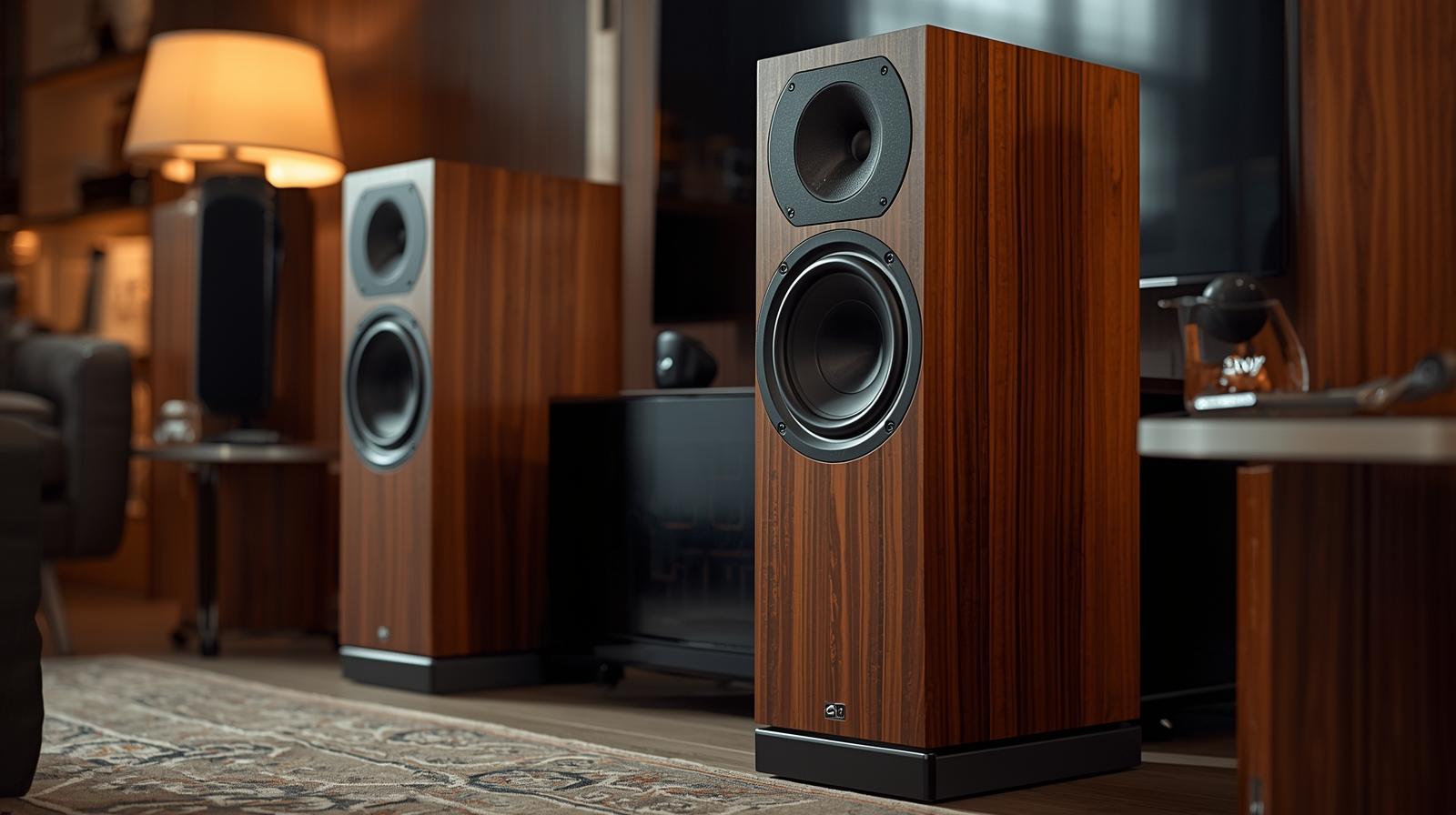
At the core of loudspeakers for home entertainment systems are transducers that vibrate to produce sound, driven by electromagnetic coils interacting with magnets. This process, known as electroacoustic conversion, allows speakers to reproduce a wide frequency range, typically from 20 Hz to 20 kHz, matching human hearing capabilities. Modern loudspeakers for home entertainment systems often incorporate multiple drivers, including woofers for low frequencies, midrange for vocals, and tweeters for highs, ensuring balanced output. Enclosure designs, such as sealed or ported boxes, influence bass response and overall efficiency, with materials like wood or plastic affecting durability and acoustics. Amplification is another key aspect, where builtin or external amps power the speakers, preventing distortion at higher volumes. Connectivity options, from wired to wireless, have evolved, making integration with smart home devices seamless for enhanced control.
Types of Loudspeakers Available for Home Use
Loudspeakers for home entertainment systems come in various configurations to suit different needs, starting with bookshelf speakers that offer compact size without compromising sound quality. These are ideal for smaller rooms, providing detailed audio for music and movies when placed on stands or shelves. Floorstanding towers represent another popular type, delivering powerful bass and fullrange sound due to their larger cabinets and multiple drivers. For immersive setups, surround sound speakers create a multidimensional audio environment, essential for home theaters replicating cinema experiences. Soundbars provide a sleek, allinone solution, combining multiple channels in a single unit often with subwoofers for added depth. Wireless loudspeakers for home entertainment systems allow flexible placement, connecting via Bluetooth or WiFi for streaming from multiple sources.
Key Features to Look for in Quality Loudspeakers
When choosing loudspeakers for home entertainment systems, sensitivity rating is crucial, measured in decibels, indicating how efficiently speakers convert power into sound. Higher sensitivity means less amplifier power is needed for loud volumes, ideal for energyconscious setups. Impedance, typically 4 to 8 ohms, affects compatibility with amplifiers, ensuring stable performance without overload. Frequency response range determines how well speakers handle lows, mids, and highs, with flatter responses yielding more accurate reproduction. Build quality, including driver materials like silk domes for tweeters or polypropylene cones for woofers, influences longevity and sound fidelity. Smart features, such as voice assistant integration, add convenience, allowing control through apps or commands for a modern home entertainment experience.
Benefits of Integrating Loudspeakers into Your Home Setup
Incorporating loudspeakers for home entertainment systems elevates daily activities, turning simple movie nights into captivating events with rich, enveloping sound. They enhance clarity in dialogues and effects, making content more engaging and realistic for families and guests alike. Music playback benefits immensely, with speakers reproducing instruments and vocals with precision, fostering a concertlike atmosphere in living spaces. Gaming enthusiasts appreciate the directional audio cues that improve immersion and reaction times in virtual worlds. Energy efficiency in modern models reduces power consumption while maintaining performance, contributing to sustainable home environments. Overall, loudspeakers for home entertainment systems foster better social interactions, as shared audio experiences bring people together in comfortable settings.
Comparing Wired vs. Wireless Loudspeaker Options
Wired loudspeakers for home entertainment systems offer reliable connections with minimal latency, ensuring synchronized audio with video sources for seamless playback. They typically provide higher sound quality due to uncompressed signal transmission, appealing to audiophiles seeking purity. However, installation can be cumbersome, requiring cable management to avoid clutter in rooms. Wireless alternatives eliminate wires, offering flexibility in speaker placement and easier reconfiguration of setups. Technologies like WiFi and Bluetooth enable multiroom audio, where loudspeakers for home entertainment systems sync across different areas of the house. Drawbacks include potential interference and battery dependency in some models, though advancements mitigate these issues for most users.
Top Brands Leading the Market in Loudspeakers
Several renowned brands dominate the landscape of loudspeakers for home entertainment systems, each bringing unique innovations to the table. Bose is celebrated for its compact yet powerful speakers that deliver roomfilling sound with proprietary technologies enhancing bass. Sony offers versatile options, from soundbars to full surround systems, integrating seamlessly with their televisions for optimized performance. Klipsch stands out with hornloaded designs that provide high efficiency and dynamic range, ideal for large spaces. JBL focuses on durable, portable models with strong wireless capabilities, suitable for both indoor and outdoor entertainment. Bowers & Wilkins emphasizes premium materials and engineering, resulting in audiophilegrade loudspeakers for home entertainment systems that prioritize accuracy and detail.
Installation Tips for Optimal Audio Performance
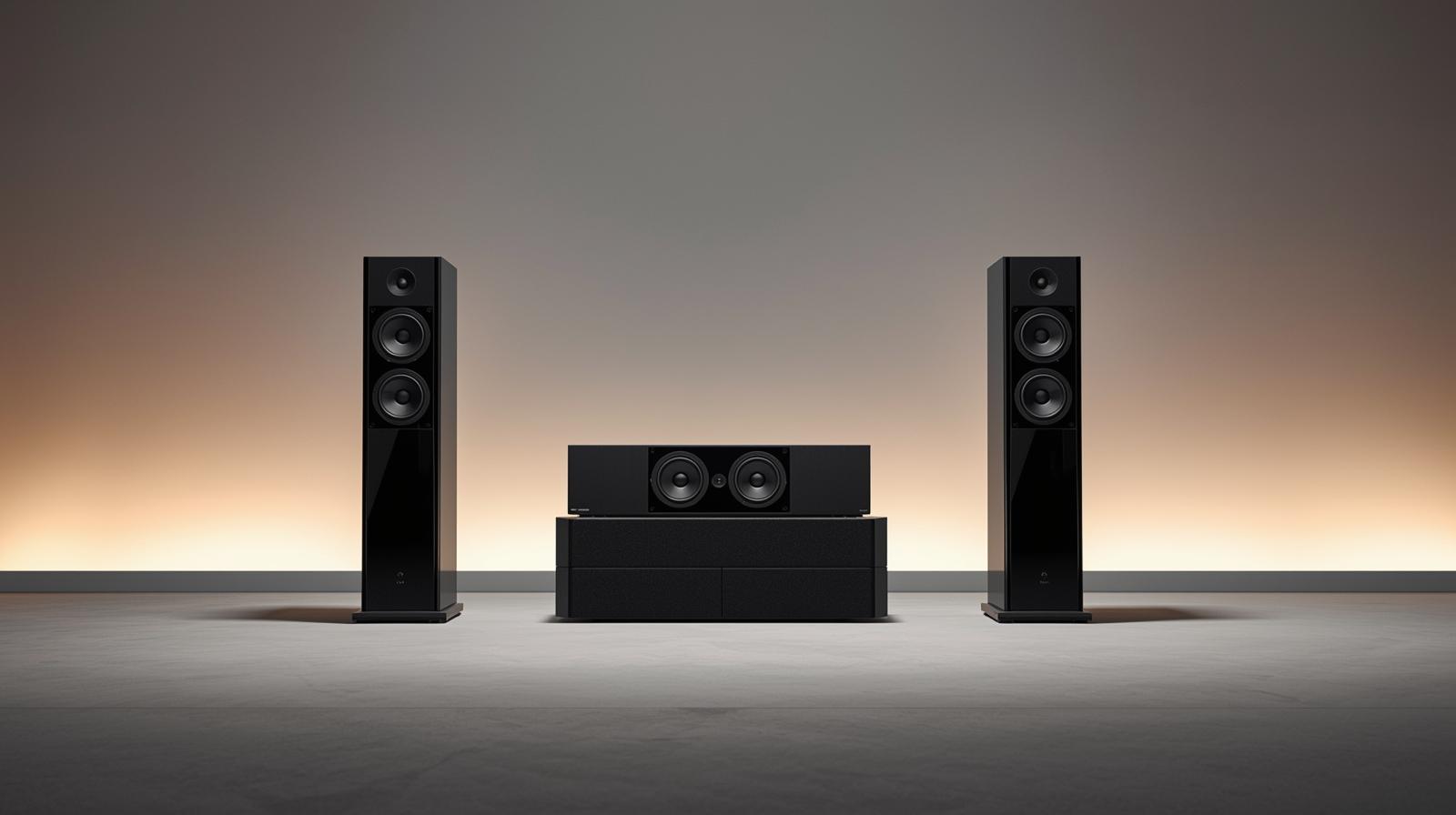
Proper installation of loudspeakers for home entertainment systems begins with room assessment, considering acoustics and furniture placement to minimize sound reflections. Positioning speakers at ear level, ideally forming an equilateral triangle with the listening spot, optimizes stereo imaging. For surround setups, rear speakers should be placed slightly above ear height to create enveloping effects. Calibration tools, often included in receivers, adjust levels and delays for balanced output across channels. Cable routing should be neat to prevent signal interference, using quality connectors for reliable connections. Testing different configurations fine-tunes the setup, ensuring loudspeakers for home entertainment systems perform at their best.
Room Acoustics and Their Impact on Sound Quality
Room acoustics significantly influence how loudspeakers for home entertainment systems perform, with hard surfaces causing echoes that distort audio clarity. Soft furnishings like carpets and curtains absorb excess reverberations, improving overall sound balance. Speaker placement away from walls reduces bass buildup, preventing muddiness in low frequencies. Acoustic treatments, such as panels or diffusers, can be added to problematic areas for professionalgrade results. Understanding room modes, where certain frequencies resonate more, helps in positioning loudspeakers for home entertainment systems to avoid peaks and nulls. Regular adjustments based on room changes maintain consistent audio quality over time.
Pairing Loudspeakers with Amplifiers and Receivers
Matching loudspeakers for home entertainment systems with compatible amplifiers ensures efficient power delivery without risking damage from mismatches. Receivers act as central hubs, combining amplification with input switching for various sources like streaming devices. Power ratings should align, with amplifiers providing at least the speaker’s continuous RMS wattage for clean performance. Biamping or biwiring configurations enhance control over drivers, improving detail in complex audio tracks. Digital signal processing in modern receivers optimizes output, compensating for room anomalies. Selecting synergistic components maximizes the potential of loudspeakers for home entertainment systems in any setup.
Enhancing Bass with Subwoofers in Your System
Subwoofers complement loudspeakers for home entertainment systems by handling low frequencies, adding depth to explosions and music beats without straining main speakers. Placement near corners amplifies bass response through boundary reinforcement, though experimentation finds the sweet spot. Crossover settings direct appropriate frequencies to the sub, ensuring seamless integration with other channels. Powered models include builtin amps, simplifying connections and adjustments via remotes or apps. Wireless subwoofers offer placement flexibility, reducing cable clutter in rooms. Incorporating one or more enhances the immersive quality of loudspeakers for home entertainment systems overall.
Smart Integration for Modern Home Entertainment
Smart features in loudspeakers for home entertainment systems allow voice control through assistants like Alexa or Google, enabling handsfree operation. Appbased interfaces provide EQ adjustments, playlist management, and firmware updates for ongoing improvements. Multiroom syncing lets audio flow between spaces, creating wholehome entertainment ecosystems. Compatibility with protocols like AirPlay or Chromecast expands streaming options from devices. Security considerations ensure networks remain protected during integrations. These advancements make loudspeakers for home entertainment systems central to connected living, blending audio excellence with convenience.
Maintenance Practices to Prolong Speaker Life
Regular maintenance of loudspeakers for home entertainment systems involves dusting grilles and cabinets to prevent buildup that affects sound dispersion. Avoiding exposure to extreme temperatures or humidity preserves internal components from degradation. Checking connections periodically ensures no loose wires cause intermittent issues. Software updates for smart models keep features current and fix potential bugs. Gentle handling during moves prevents physical damage to drivers. Implementing these habits extends the lifespan of loudspeakers for home entertainment systems, maintaining peak performance for years.
Common Mistakes to Avoid When Buying Loudspeakers
One frequent error in purchasing loudspeakers for home entertainment systems is overlooking room size, leading to mismatched power and coverage. Ignoring impedance compatibility can strain amplifiers, causing distortion or failures. Focusing solely on wattage ratings neglects sensitivity and frequency response, which are crucial for quality. Skipping auditions in similar environments misses realworld performance insights. Overemphasizing brand hype without researching specs results in suboptimal choices. Being aware of these pitfalls guides better decisions for loudspeakers for home entertainment systems.
Future Trends in Loudspeaker Design and Technology
Emerging trends in loudspeakers for home entertainment systems include AIdriven adaptations that automatically tune to room acoustics and content types. Sustainable materials, like recycled plastics, are gaining traction for ecofriendly manufacturing. Haptic feedback integration adds tactile elements to audio, enhancing immersion in games and films. Ultracompact designs with powerful outputs cater to minimalist homes without sacrificing quality. Spatial audio advancements, supporting formats like Dolby Atmos, create threedimensional soundscapes. These innovations promise to redefine loudspeakers for home entertainment systems in the coming years.
The Global Loudspeaker Market Size was estimated at USD 15.57 billion in 2024 and is predicted to increase from USD 16.42 billion in 2025 to approximately USD 20.49 billion by 2030, expanding at a CAGR of 4.5% from 2025 to 2030.
Download PDF Brochure @
https://www.marketsandmarkets.com/pdfdownloadNew.asp?id=33094318
Environmental Considerations in Speaker Manufacturing
Manufacturers of loudspeakers for home entertainment systems are increasingly adopting green practices, using biodegradable components and reducing carbon footprints in production. Energyefficient designs lower operational consumption, aligning with global sustainability goals. Recycling programs for old speakers minimize electronic waste, encouraging responsible disposal. Certifications like Energy Star guide consumers toward ecoconscious choices. Innovations in materials decrease reliance on rare earth elements, promoting ethical sourcing. These efforts ensure loudspeakers for home entertainment systems contribute positively to environmental preservation.
Customizing Audio Settings for Personal Preferences
Personalizing loudspeakers for home entertainment systems involves adjusting EQ bands to emphasize preferred frequencies, such as boosting bass for music lovers. Preset modes for movies, games, or sports optimize dynamics accordingly, enhancing specific experiences. Volume leveling prevents sudden spikes, maintaining consistent listening comfort. Room correction software scans and compensates for acoustic irregularities automatically. Experimenting with these settings tailors the output of loudspeakers for home entertainment systems to individual tastes and environments.
The Role of Loudspeakers in Immersive Gaming Experiences
In gaming, loudspeakers for home entertainment systems provide directional sound that aids in locating ingame events, improving competitive edges. Surround configurations immerse players in virtual worlds, with effects like footsteps or explosions feeling lifelike. Low latency ensures audio syncs perfectly with visuals, avoiding disorientation. Customizable profiles allow genre-specific tweaks, from horror’s subtle cues to action’s booming impacts. Integrating with consoles or PCs expands options for highfidelity playback. Thus, loudspeakers for home entertainment systems are vital for elevating gaming to new heights.
Exploring Portable Options for Flexible Entertainment
Portable loudspeakers for home entertainment systems offer mobility, allowing seamless transitions between rooms or even outdoors. Batterypowered models provide hours of playback without outlets, ideal for gatherings. Waterproof variants withstand splashes, expanding usage scenarios. Despite compact sizes, they deliver robust sound with advanced drivers. Connectivity features like NFC enable quick pairing with devices. These versatile loudspeakers for home entertainment systems cater to dynamic lifestyles while maintaining quality.
Evaluating Sound Quality Through Expert Reviews
Expert reviews of loudspeakers for home entertainment systems analyze metrics like distortion levels, imaging, and tonal balance for objective insights. Listening tests in controlled environments reveal nuances in performance across genres. Comparisons with competitors highlight strengths and weaknesses, aiding informed choices. User feedback complements professional opinions, reflecting realworld usage. Staying updated with these evaluations ensures selections of topperforming loudspeakers for home entertainment systems.
Elevating Your Home Audio Experience
In summary, loudspeakers for home entertainment systems are indispensable for creating captivating audiovisual environments that enrich daily life. From basic setups to advanced configurations, they offer endless possibilities for customization and enjoyment. Investing wisely in quality models pays dividends in longterm satisfaction and performance. As technology evolves, these speakers will continue to innovate, meeting future demands. Ultimately, choosing the right loudspeakers for home entertainment systems transforms homes into personal entertainment havens.
Explore In-Depth Semiconductor & Electronics Market Research:
https://www.marketsandmarkets.com/semiconductorand-electonics-market-research-87.html
FAQs
What are the best types of loudspeakers for home entertainment systems in small rooms?
For small rooms, bookshelf or compact soundbar loudspeakers for home entertainment systems are ideal, offering balanced sound without overwhelming the space.
How do I maintain loudspeakers for home entertainment systems?
Regular dusting, avoiding moisture, and checking connections help maintain loudspeakers for home entertainment systems, ensuring long-term performance and sound quality.
Are wireless loudspeakers for home entertainment systems reliable?
Yes, modern wireless loudspeakers for home entertainment systems use stable technologies like WiFi, providing reliable connectivity with minimal latency for seamless audio.
Can loudspeakers for home entertainment systems integrate with smart homes?
Absolutely, many loudspeakers for home entertainment systems support voice assistants and apps, allowing easy integration into smart home ecosystems for controlled playback.
See The Latest Semiconductor Reports:
Actuators Market Size, Share & Trends : https://www.marketsandmarkets.com/Market-Reports/global-actuators-market-59465451.html
Battery Technology Market Size, Share & Trends : https://www.marketsandmarkets.com/Market-Reports/battery-technology-market-253343109.html
Smart Appliances Market Size, Share & Trends : https://www.marketsandmarkets.com/Market-Reports/smart-appliances-market-8228252.html
Quantum Computing Market Size, Share & Trends: https://www.marketsandmarkets.com/Market-Reports/quantum-computing-market-144888301.html
Cold Chain Monitoring Market Size, Share & Trends : https://www.marketsandmarkets.com/Market-Reports/cold-chain-monitoring-market-161738480.html
Head-up Display (HUD) Market Size, Share & Trends : https://www.marketsandmarkets.com/Market-Reports/head-up-display-hud-market-684.html
