The global exhaust aftertreatment system market is witnessing steady growth due to increasingly stringent vehicle emission regulations, rising adoption of gasoline direct injection engines, and growing demand for advanced NOx and particulate reduction technologies worldwide. Automotive manufacturers are increasingly deploying sophisticated exhaust aftertreatment systems to comply with evolving global emission standards while maintaining fuel efficiency, engine performance, and vehicle reliability.
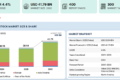
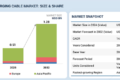
The exhaust aftertreatment industry is also benefiting from advancements in selective catalytic reduction systems, diesel particulate filters, gasoline particulate filters, onboard diagnostics, and sensor-integrated emission control technologies. Increasing production of passenger vehicles, commercial vehicles, and hybrid powertrains is expected to continue driving demand for advanced exhaust treatment solutions globally. According to MarketsandMarkets, the exhaust aftertreatment system market is projected to grow from USD 32.77 billion in 2025 to USD 40.93 billion by 2032 at a CAGR of 3.2% during the forecast period.
Exhaust Aftertreatment System Industry Overview
Exhaust aftertreatment systems are advanced emission control technologies designed to reduce harmful pollutants generated during internal combustion engine operation. These systems include selective catalytic reduction (SCR) systems, diesel particulate filters (DPF), gasoline particulate filters (GPF), lean NOx traps (LNT), oxidation catalysts, and sensor-integrated exhaust management technologies.
Modern aftertreatment systems help reduce nitrogen oxides (NOx), particulate matter, hydrocarbons, and carbon monoxide emissions across passenger cars, commercial vehicles, and off-highway equipment. Automotive manufacturers increasingly integrate these systems with engine control units and onboard diagnostic platforms to improve emission control precision and ensure compliance with real-world driving conditions.
Technological advancements in catalyst substrates, thermal management systems, exhaust flow optimization, and sensor integration are significantly improving emission conversion efficiency while minimizing backpressure and maintaining fuel economy.
Download PDF Brochure @ https://www.marketsandmarkets.com/pdfdownloadNew.asp?id=160495914
Stringent Global Emission Regulations Driving Demand for Advanced Aftertreatment Systems
One of the strongest growth drivers within the exhaust aftertreatment system market is the implementation of increasingly stringent global emission regulations. Standards such as Euro 6d, Euro 7, Bharat Stage VI, China 6/7, and EPA emission regulations are compelling automotive manufacturers to adopt more advanced emission control technologies across gasoline and diesel vehicle platforms.
Real-world driving emission requirements and tighter particulate number limits are accelerating adoption of SCR systems, DPF technologies, and gasoline particulate filters globally. Governments and regulatory authorities increasingly focus on reducing NOx emissions, particulate pollution, and greenhouse gas emissions from transportation sectors.
The tightening of emission regulations across passenger cars, commercial vehicles, and industrial transportation platforms is expected to significantly strengthen long-term demand for advanced exhaust aftertreatment technologies worldwide.
North America Emerging as a High-Growth Market for Exhaust Aftertreatment Systems
North America is expected to be one of the fastest-growing regions within the exhaust aftertreatment system market due to stringent EPA and CARB emission standards, rising commercial vehicle production, and increasing fleet modernization activities.
The region is witnessing growing deployment of SCR systems, DPF technologies, and advanced catalysts across heavy-duty trucks, passenger vehicles, and off-highway equipment. Increasing freight transportation demand and infrastructure investments are also supporting expansion of the heavy commercial vehicle segment.
Growing adoption of gasoline direct injection vehicles and rising replacement demand for emission control components are expected to further strengthen the North American exhaust aftertreatment market during the forecast period.
Request Free Sample Report @ https://www.marketsandmarkets.com/requestsampleNew.asp?id=160495914