The global industrial landscape is undergoing a seismic shift toward automation, and at the heart of this transformation lie critical motion control components. Understanding the latest actuators market trends has become essential for engineers, procurement managers, and business strategists who wish to remain competitive in a rapidly evolving environment. Actuators, which convert energy into mechanical motion, are now being redesigned to meet the demands of Industry 4.0, electric vehicles, and smart manufacturing. Recent actuators market trends indicate a decisive move away from traditional hydraulic and pneumatic systems toward more efficient, intelligent, and compact electric alternatives. This evolution is not merely incremental; it represents a fundamental change in how industries approach precision, energy consumption, and predictive maintenance. As we analyze current data, it becomes clear that the market is responding to both technological breakthroughs and pressing environmental regulations.
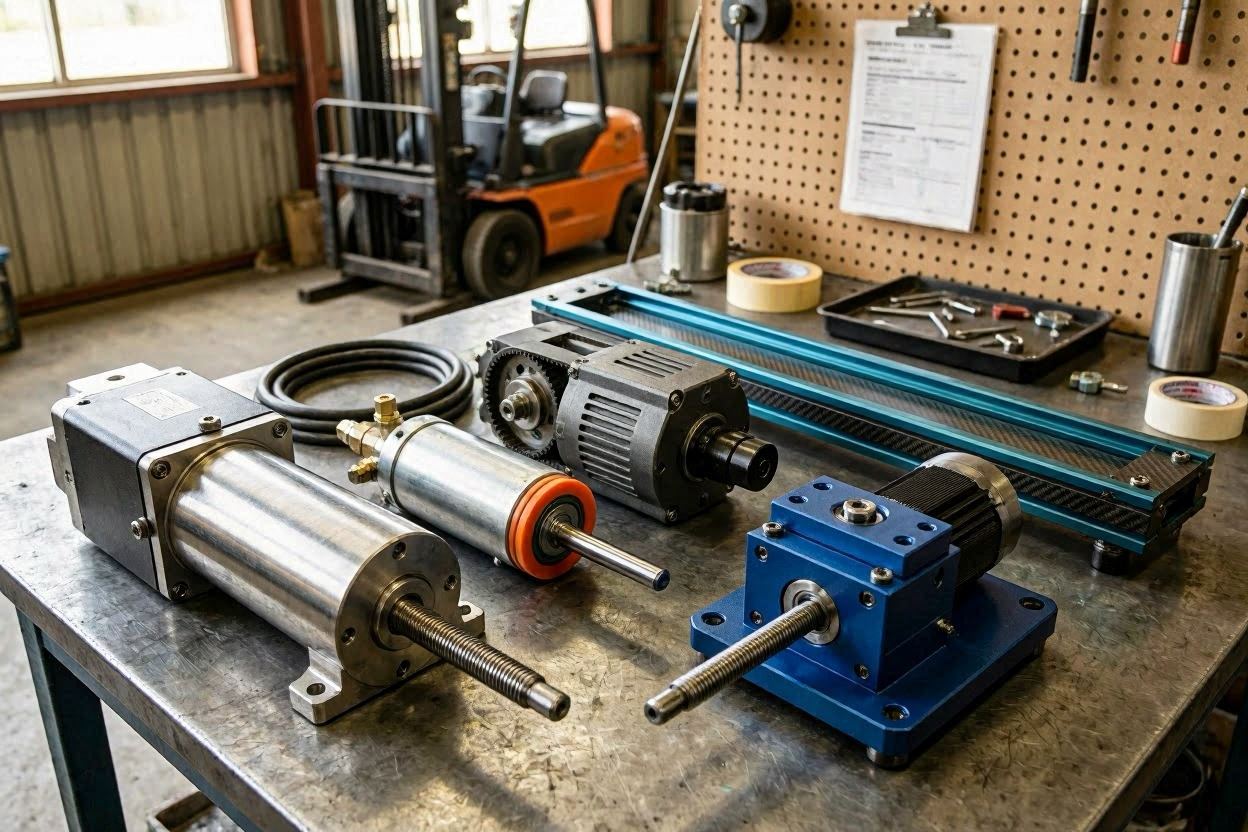
The global actuators market is expected to grow from USD 71.22 billion in 2025 to USD 100.41 billion by 2030 at a CAGR of 7.1% during the forecast period.
Download PDF Brochure @ https://www.marketsandmarkets.com/pdfdownloadNew.asp?id=59465451
The Rise of Smart and Connected Actuators
One of the most dominant actuators market trends is the integration of Internet of Things capabilities directly into motion control devices. Modern actuators now come equipped with embedded sensors, wireless connectivity, and onboard data processing units that enable real time performance monitoring. These smart actuators can detect wear and tear, predict failure points, and automatically adjust their operation to optimize energy use without human intervention. For industries like automotive assembly and pharmaceutical packaging, this intelligence translates into reduced downtime and lower maintenance costs. The adoption of IO Link and industrial Ethernet protocols has further accelerated this trend, allowing actuators to communicate seamlessly with central control systems. Consequently, manufacturers are shifting from reactive to predictive maintenance models, which is a direct result of evolving actuators market trends. This smart transformation is expected to dominate new product launches through the end of the decade.
Electric Actuators Gaining Dominance Over Pneumatic Systems
The shift from pneumatic to electric actuation remains one of the most influential actuators market trends currently observed across manufacturing sectors. Electric actuators offer superior positional accuracy, lower noise levels, and significantly better energy efficiency because they draw power only when moving or holding a position. In contrast, pneumatic systems require continuous air compression, which often leads to energy losses and higher operational expenses. Recent actuators market trends show that industries such as food and beverage, medical devices, and electronics assembly are rapidly adopting electric rod style and rodless actuators. These devices provide cleaner operation without the risk of air leaks or contamination, making them ideal for hygienic environments. Additionally, the falling cost of rare earth magnets and brushless DC motors has made electric actuators more affordable than ever before. This transition is further supported by government incentives aimed at reducing industrial carbon footprints, reinforcing the momentum behind electric actuation.
Key Growth Drivers and Market Restraints
Several powerful factors are shaping current actuators market trends, starting with the explosive growth of collaborative robotics and automated guided vehicles. As factories invest in flexible manufacturing lines, the demand for compact, high force density actuators has surged dramatically. Another major driver is the rapid expansion of the electric vehicle sector, where actuators control everything from battery disconnect systems to active aerodynamics and charging port doors. However, certain restraints continue to challenge the market, including the high initial cost of smart electric actuators compared to conventional alternatives. Supply chain disruptions for semiconductor chips and specialty metals have also created pricing volatility, affecting actuators market trends in the short term. Despite these hurdles, the long term outlook remains positive due to increasing labor costs and the need for safer, remote controlled industrial environments. Manufacturers are responding by developing modular actuator designs that simplify replacement and reduce total cost of ownership.
Regional Analysis of Actuators Market Trends
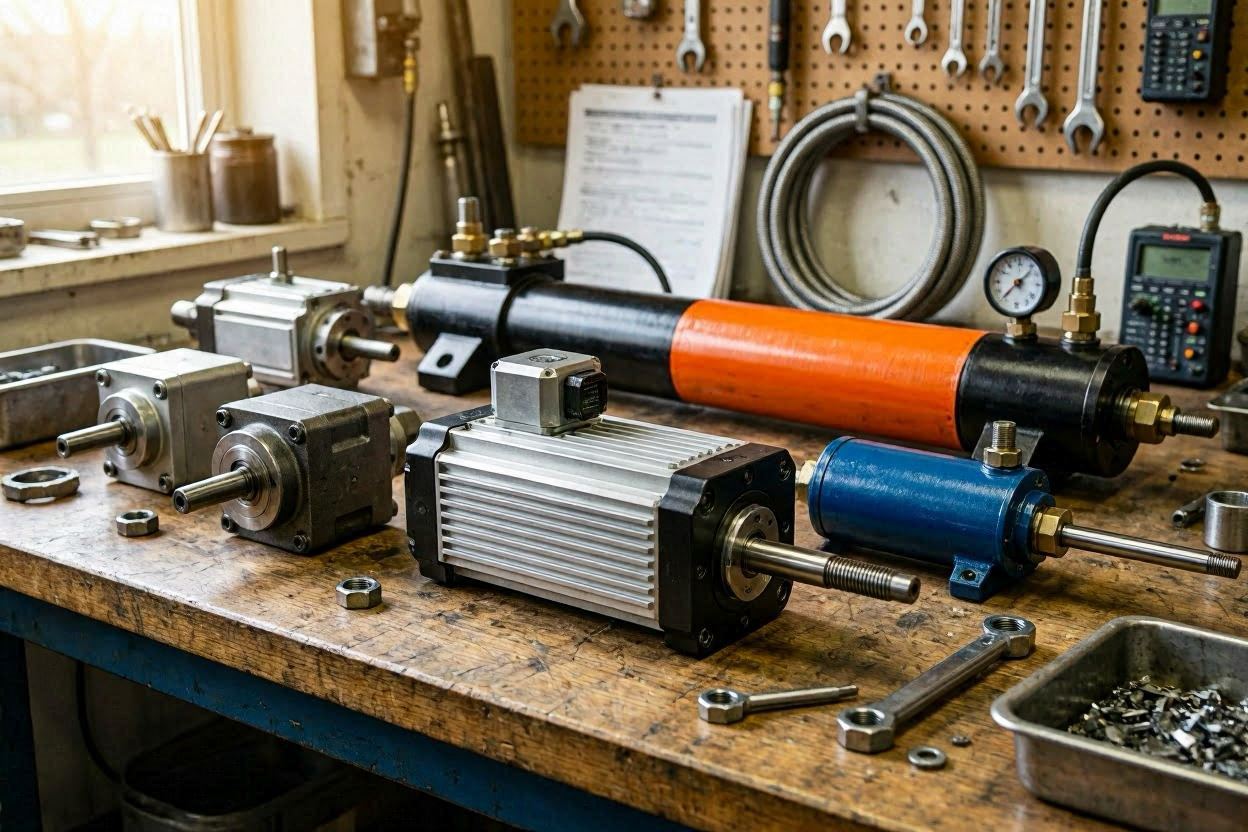
When examining actuators market trends geographically, Asia Pacific continues to lead in both production and consumption, accounting for nearly 45 percent of global revenue. China, Japan, and South Korea are investing heavily in next generation manufacturing and semiconductor fabrication, which requires thousands of precision actuators per facility. In North America, the reshoring of critical supply chains has spurred new factory construction, directly boosting demand for electric and smart actuation solutions. Europe remains a hub for innovation, with German and Italian automation firms pioneering energy harvesting actuators that generate power from motion. Meanwhile, emerging economies in Latin America and the Middle East are slowly adopting these technologies, though price sensitivity remains a barrier. A noteworthy aspect of current actuators market trends is the increasing localization of production to circumvent trade tariffs and reduce lead times. This regional diversification is expected to create a more resilient global supply network by 2027.
Technological Innovations Reshaping the Industry
Breakthrough innovations are continuously redefining actuators market trends, with piezoelectric and electrohydraulic actuators gaining niche applications. Piezoelectric actuators, which expand when electrically stimulated, offer nanometer precision for microscope stages and adaptive optics. On the other hand, electrohydrostatic actuators combine the power density of hydraulics with the controllability of electric systems, making them ideal for aerospace flight control surfaces. Another exciting development involves shape memory alloys that contract when heated, enabling silent, lightweight actuators for prosthetics and soft robotics. These advanced materials are still expensive, but ongoing research will likely reduce costs over the next five years. As actuators market trends evolve, we also see the emergence of wireless power transfer for actuators in rotating or hard to reach machinery. This eliminates the need for slip rings or trailing cables, drastically improving reliability. Consequently, engineers now have more choices than ever to match unique application requirements.
Industry Wise Application Insights
Different verticals exhibit distinct actuators market trends based on their operational priorities and regulatory landscapes. The automotive industry remains the largest consumer, utilizing linear actuators for throttle control, door locks, and adjustable suspension systems. In aerospace, the push for more electric aircraft has led to actuators replacing hydraulic units in wing flaps and landing gear, reducing overall weight. The healthcare sector shows rapidly growing demand for miniature actuators in surgical robots, hospital beds, and laboratory automation equipment. Energy applications, particularly in solar tracking systems and wind turbine pitch control, also contribute significantly to actuators market trends. Each industry requires specific certifications, such as ISO 13485 for medical devices or DO 160 for aerospace, which influences product development priorities. Suppliers are increasingly offering industry specific firmware and safety features to capture these specialized segments. This targeted approach has become a successful strategy amid rising competition from low cost generic actuator manufacturers.
Sustainability and Energy Efficiency Focus
Environmental concerns are now central to actuators market trends, with end users demanding greener motion control solutions. Traditional hydraulic actuators often leak oil, causing soil contamination and requiring costly cleanup, which is why many construction equipment makers are switching to electric alternatives. New regulations in the European Union and California mandate lower standby power consumption for industrial devices, directly favoring smart actuators with sleep modes. Manufacturers are responding by designing actuators using recycled aluminum and biodegradable lubricants, thereby reducing the carbon footprint of their products. Another emerging aspect of actuators market trends is the integration of regenerative braking in linear actuators, which captures energy during deceleration and feeds it back into the system. This feature is especially valuable in high cycle applications such as pick and place machines and conveyor diverters. As corporate sustainability goals become more aggressive, the ability to document energy savings per actuator will become a key selling point.
Bullet Point Summary of Key Market Trends
Here are the most critical actuators market trends that industry participants should monitor closely over the next 12 to 18 months. These bullet points capture the essence of ongoing shifts in technology, demand patterns, and competitive strategies.
- Increasing adoption of IO Link enabled smart actuators with integrated condition monitoring and predictive maintenance alerts.
- Rapid substitution of pneumatic cylinders by electric linear actuators in packaging, assembly, and material handling applications.
- Surging demand for miniaturized actuators in medical wearables, lab on chip devices, and portable diagnostic equipment.
- Growth of wireless actuation systems using Bluetooth and Zigbee protocols for retrofitting legacy machinery without rewiring.
Another set of actuators market trends involves supply chain localization and the rise of actuator as a service business models. These developments are reshaping how manufacturers allocate budgets and manage inventory.
- Emergence of distributed control architectures where each actuator processes data locally rather than relying on a central PLC.
- Increased use of simulation software to virtually commission actuator movements before physical installation, reducing downtime.
- Development of ultra quiet actuators for noise sensitive environments such as hospital operating rooms and recording studios.
- Expansion of modular actuator kits that allow engineers to mix and match motors, gearboxes, and feedback sensors from a single platform.
Future Outlook and Strategic Recommendations
Looking ahead, actuators market trends point toward complete convergence of mechanical, electronic, and software engineering within a single device. By 2028, most new industrial actuators will ship with embedded digital twins, allowing operators to run what if scenarios without stopping production. We also anticipate standardization of wireless charging interfaces for mobile actuators used in automated guided vehicles and drones. Companies that wish to capitalize on these actuators market trends should invest in training their workforce on edge computing and real time analytics. Procurement strategies must evolve to include total cost of ownership calculations rather than upfront price comparisons alone. Collaboration between actuator manufacturers and artificial intelligence firms will yield self tuning actuators that optimize their motion profiles dynamically. Furthermore, open communication protocols like MQTT and OPC UA will become mandatory features in RFQs for large scale automation projects. The market is poised for steady growth, with smart electric actuators leading the charge across all major industrial regions.
Frequently Asked Questions (FAQs)
Q1: What are the most significant actuators market trends in 2026?
The most significant actuators market trends include the rapid adoption of electric over pneumatic systems, integration of IoT sensors for predictive maintenance, and the rise of miniature actuators for medical and robotics applications. Additionally, energy efficiency regulations are pushing manufacturers to develop low power and regenerative braking actuators.
Q2: How are actuators market trends affecting pricing and availability?
Current actuators market trends show that prices for basic pneumatic actuators remain stable, but smart electric actuators have seen a 5 to 8 percent price drop due to mass production. Availability has improved compared to 2023, though lead times for specialty actuators with rare earth magnets can still extend to 20 weeks.
Q3: Which industries are driving actuators market trends the most?
The automotive and electric vehicle industry is the primary driver of actuators market trends, followed by industrial robotics and medical device manufacturing. Aerospace and renewable energy sectors are also significant contributors, especially for lightweight and high force density actuation solutions.
Q4: Are wireless actuators a real part of current actuators market trends?
Yes, wireless actuators represent a growing niche within actuators market trends, particularly for retrofitting older machinery and for use in hazardous environments where wired connections pose safety risks. However, battery life and signal reliability remain challenges for continuous duty cycle applications.
Q5: How can a company stay updated on actuators market trends?
To stay informed on actuators market trends, companies should subscribe to industrial automation journals, attend trade shows like SPS and Hannover Messe, and partner with suppliers that offer technology roadmaps. Regularly reviewing patent filings and standards updates from organizations like IEC and ISO also provides early insights into emerging trends.
