The global bidirectional charging market is emerging as one of the most transformative segments within the electric mobility ecosystem. As electric vehicles evolve into mobile energy storage assets, bidirectional charging technologies are enabling vehicles to not only consume electricity but also supply power back to homes, buildings, devices, and utility grids. Growing adoption of electric vehicles, increasing investments in smart charging infrastructure, and rising demand for renewable energy integration are accelerating bidirectional charging market growth worldwide.
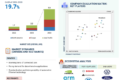
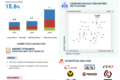
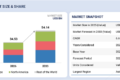
The bidirectional charging market size is projected to grow from approximately USD 70 million in 2025 to more than USD 844 million by 2035, registering a CAGR of over 28% during the forecast period. The expansion of Vehicle-to-Grid (V2G), Vehicle-to-Home (V2H), and Vehicle-to-Load (V2L) technologies is expected to create substantial opportunities across the global bidirectional charging market.
Bidirectional Charging Industry Overview
Bidirectional charging enables electric vehicles to transfer electricity in two directions, allowing energy to flow from the grid to the vehicle and from the vehicle back to external systems. Unlike conventional charging systems, bidirectional charging transforms EVs into flexible energy resources capable of supporting homes, businesses, and utility networks.
Modern bidirectional charging platforms combine intelligent software, communication protocols, smart energy management systems, and advanced charging hardware to optimize electricity flow. These technologies help improve grid reliability, support renewable energy integration, and enhance the overall value proposition of electric vehicles.
As countries invest in energy transition strategies and grid modernization initiatives, bidirectional charging is becoming a critical component of future energy ecosystems.
Vehicle-to-Grid (V2G) Technology Driving Market Growth
Vehicle-to-Grid technology represents one of the most significant growth opportunities within the bidirectional charging market. V2G systems allow electric vehicles to return stored electricity to the power grid during periods of peak demand, helping utilities balance supply and demand while improving grid stability.
Electric vehicles equipped with V2G capabilities can function as distributed energy storage assets, supporting renewable energy integration and reducing pressure on traditional power generation infrastructure. Utilities are increasingly launching pilot projects and commercial programs that enable EV owners to participate in energy trading and demand response initiatives.
As smart grids continue to evolve, V2G technology is expected to become a major driver of bidirectional charging market growth.
Download PDF Brochure @ https://www.marketsandmarkets.com/pdfdownloadNew.asp?id=64700205
Vehicle-to-Home (V2H) Transforming Residential Energy Management
Vehicle-to-Home technology is rapidly gaining attention as homeowners seek reliable and sustainable backup energy solutions. V2H systems allow electric vehicles to supply electricity directly to residential properties during power outages, peak pricing periods, or emergency situations.
By utilizing EV batteries as backup power sources, homeowners can improve energy resilience, reduce electricity costs, and increase energy independence. V2H solutions are particularly valuable in regions experiencing grid instability, extreme weather events, or increasing energy costs.
The growing adoption of smart homes and residential energy management systems is expected to strengthen demand for Vehicle-to-Home technologies during the forecast period.
Vehicle-to-Load (V2L) Expanding EV Energy Applications
Vehicle-to-Load technology currently represents one of the most practical and widely adopted bidirectional charging applications. V2L systems allow electric vehicles to power external devices, appliances, tools, and equipment directly from onboard batteries.
Consumers increasingly use V2L-enabled vehicles for outdoor recreation, remote work environments, emergency power supply, and construction applications. The ability to access portable electricity without additional generators or power sources has significantly enhanced the attractiveness of V2L technology.
As automakers continue integrating V2L functionality into new electric vehicle models, adoption is expected to increase substantially across consumer and commercial markets.
Battery Electric Vehicles Accelerating Bidirectional Charging Adoption
Battery Electric Vehicles are expected to account for the largest share of the bidirectional charging market. Their larger battery capacities and advanced power electronics make them ideal platforms for V2G, V2H, and V2L applications.
Automakers are increasingly integrating bidirectional charging capabilities into their electric vehicle portfolios to provide additional value for customers and support broader energy ecosystem development. Improvements in battery technology, charging efficiency, and energy management systems are further enhancing the viability of bidirectional charging solutions.
The continued growth of the Battery Electric Vehicle market will remain a major factor supporting bidirectional charging market expansion.
Smart Charging Infrastructure Supporting Market Expansion
The development of smart charging infrastructure is essential for the successful deployment of bidirectional charging technologies. Advanced charging stations equipped with intelligent communication systems, energy management software, and grid integration capabilities are enabling seamless two-way energy flow.
Smart charging infrastructure allows utilities, charging network operators, and EV owners to optimize charging schedules, manage energy consumption, and maximize economic benefits from bidirectional energy exchange. The integration of artificial intelligence and cloud-based analytics is further improving charging efficiency and operational performance.
Growing investments in smart charging networks are expected to accelerate bidirectional charging adoption globally.
Europe Emerging as the Fastest-Growing Bidirectional Charging Market
Europe is expected to be the fastest-growing regional market for bidirectional charging due to strong government support, ambitious decarbonization targets, and advanced smart grid infrastructure. Countries such as Germany, the United Kingdom, France, and the Netherlands are actively promoting Vehicle-to-Grid and Vehicle-to-Home technologies through pilot programs and regulatory initiatives.
The region’s commitment to renewable energy integration and energy transition goals is creating a favorable environment for bidirectional charging deployment. Partnerships between utilities, automakers, and charging infrastructure providers are further accelerating market development.
Europe is expected to remain a key innovation hub for bidirectional charging technologies throughout the forecast period.
Future Outlook for the Bidirectional Charging Market
The future of the bidirectional charging market will be shaped by Vehicle-to-Grid services, Vehicle-to-Home applications, renewable energy integration, smart charging infrastructure, and advanced energy management systems. As electric vehicles become increasingly connected to broader energy networks, bidirectional charging will play a crucial role in improving grid flexibility, enhancing energy resilience, and supporting sustainable power systems.
Growing investments in energy storage technologies, intelligent charging platforms, and next-generation electric vehicles will continue creating significant opportunities for automakers, charging solution providers, utilities, and technology companies. As a result, the bidirectional charging market is expected to experience exceptional growth, innovation, and adoption through 2035.
Request Free Sample Report @ https://www.marketsandmarkets.com/requestsampleNew.asp?id=64700205