The Building Automation System Market is evolving as commercial, residential, and industrial facilities increasingly adopt connected technologies to improve operational efficiency, energy management, security, and occupant comfort. Modern building automation combines sensors, controllers, software, communication networks, and connected equipment into centralized or distributed management environments. These systems can coordinate heating, ventilation, air conditioning, lighting, access control, fire protection, and energy management functions. Increasing digitalization is also encouraging building owners to connect previously isolated systems through integrated platforms. As a result, competition is shifting from individual control products toward complete building intelligence ecosystems.
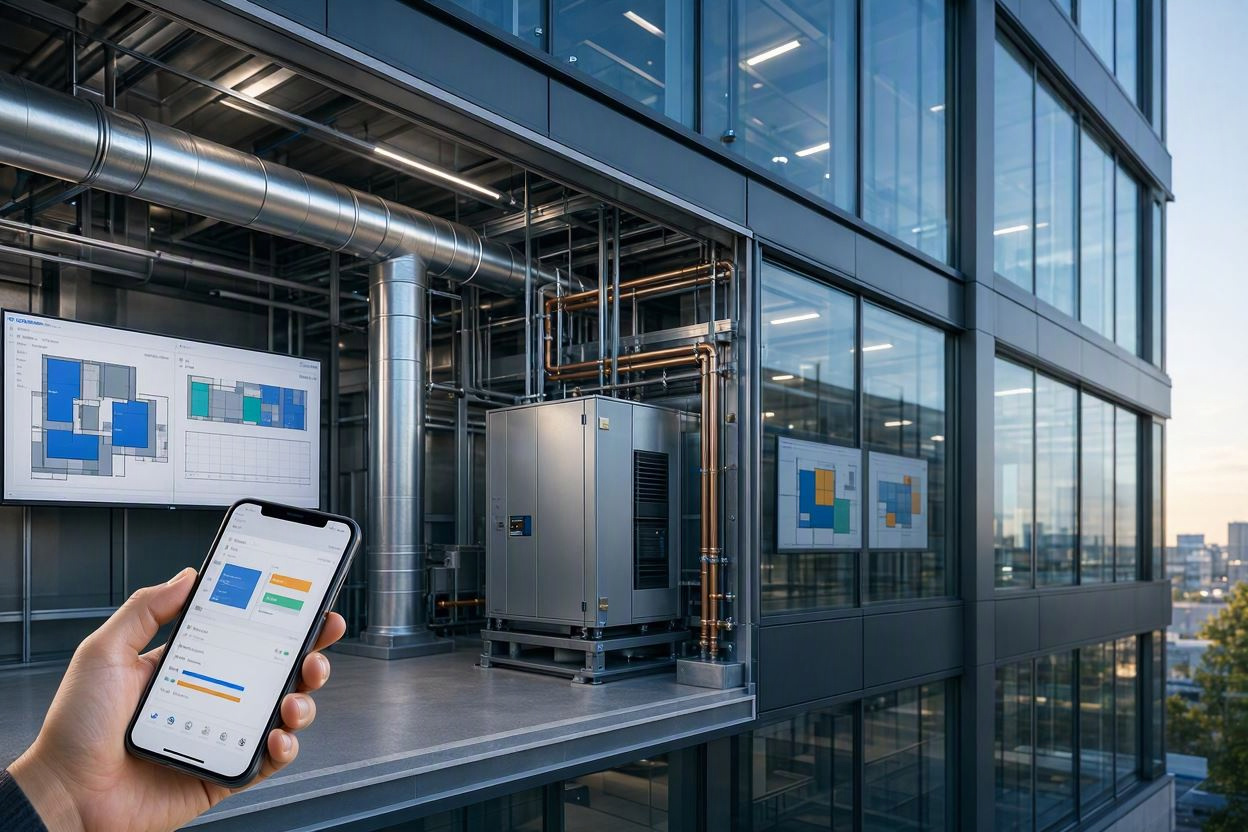
The Building Automation System Market is also being influenced by the growing importance of energy efficiency and sustainable building operations. Facility managers are increasingly looking for technologies that provide real time visibility into energy consumption and equipment performance. Connected sensors can collect information about temperature, occupancy, air quality, equipment conditions, and energy use across different areas of a facility. Software platforms can then convert this information into actionable insights for operators and maintenance teams. This combination of automation, connectivity, analytics, and centralized control is becoming an important foundation for intelligent buildings.
According to Marketsandmarkets, the global building automation system market size was valued at USD 101.34 billion in 2025 and is projected to reach USD 191.13 billion by 2030, growing at a CAGR of 13.4% from 2025 to 2030.
Download PDF Brochure @ https://www.marketsandmarkets.com/pdfdownloadNew.asp?id=408
Another important change is the movement toward software enabled building management. Traditional automation deployments relied heavily on physical controllers and dedicated building management infrastructure. Newer solutions increasingly incorporate cloud connectivity, artificial intelligence, machine learning, advanced analytics, mobile interfaces, and remote monitoring. These technologies allow facility teams to identify abnormal equipment behavior, optimize operating schedules, and improve maintenance planning. The result is a more data driven approach to building operations that creates new opportunities for technology providers and service organizations.
Key Companies in the Building Automation System Market
The competitive structure of the Building Automation System Market includes large technology providers with broad portfolios covering automation, HVAC controls, energy management, security, and digital building platforms. The companies identified on the referenced industry page include Johnson Controls, Schneider Electric, Carrier, Siemens, and Honeywell International. Other important participants include ABB, Bosch, Mitsubishi Electric, Trane Technologies, Legrand, Cisco Systems, Hubbell, Delta Controls, Lutron Electronics, Crestron Electronics, Distech Controls, Leviton Manufacturing, Belimo, and Automated Logic.
The competitive environment is not limited to companies selling traditional automation equipment. Software specialists, connectivity providers, sensor manufacturers, systems integrators, cybersecurity companies, and emerging technology businesses are becoming increasingly relevant. Their solutions can support digital twins, energy analytics, occupancy intelligence, indoor environmental monitoring, predictive maintenance, and remote facility management. This broader ecosystem makes competition more technology intensive and encourages established suppliers to expand beyond hardware. Companies with strong software capabilities and extensive installed bases can increasingly use their existing customer relationships to introduce additional digital services.
Johnson Controls Strengthens Digital Building Capabilities
Johnson Controls remains an important participant in the Building Automation System Market because of its focus on integrated building technologies, energy optimization, HVAC management, and digital services. Its OpenBlue ecosystem connects building equipment and digital capabilities to support operational efficiency and sustainability objectives. In April 2026, Johnson Controls announced the acquisition of Nantum AI, a company specializing in artificial intelligence algorithms for energy savings, system controls, and operational efficiency. The company stated that the acquisition would strengthen OpenBlue through advanced control capabilities and optimization of airflow according to building occupancy.
The Nantum AI transaction illustrates how artificial intelligence is becoming an important component of building automation strategies. Instead of relying only on fixed schedules and predetermined control rules, AI based systems can analyze changing conditions and recommend or implement adjustments. Such capabilities can become particularly useful in large commercial facilities where energy consumption varies throughout the day. The integration of AI into established automation platforms also allows technology providers to strengthen their software portfolios without completely rebuilding existing building infrastructure.
Johnson Controls has also been reshaping its broader portfolio around building solutions. In August 2025, the company completed the sale of its residential and light commercial HVAC business to Bosch. The transaction was presented as part of its transformation toward a more focused building solutions business.
Schneider Electric Expands Connected Building Capabilities
Schneider Electric is another significant participant in the Building Automation System Market, with solutions spanning energy management, automation, electrical infrastructure, and connected building technologies. Its EcoStruxure approach links equipment, sensors, controls, software, and analytics to provide visibility across building operations. This integrated approach reflects the broader shift from standalone automation components toward connected digital infrastructure. Energy management remains an important area because building owners increasingly need better control over electricity consumption and operational costs.
Schneider Electric has also demonstrated an active approach toward strategic expansion. In September 2026, the company announced a proposed acquisition of Shelly Group for approximately EUR 1.2 billion. Shelly develops connected smart home devices and software based energy management capabilities, and the proposed transaction is intended to strengthen Schneider Electric’s presence in connected residential, retrofit, and small commercial building applications. The transaction is subject to regulatory processes and other closing conditions.
The proposed transaction demonstrates how the competitive landscape is expanding beyond conventional commercial building management systems. Connected devices, smart energy management, residential automation, and software platforms are increasingly converging. For established automation companies, acquisitions can provide access to new technologies, customer groups, software capabilities, and geographic markets. This creates an environment where portfolio breadth and digital integration can be as important as traditional control system expertise.
Siemens Builds Intelligent Building Ecosystems
Siemens has a strong position in intelligent infrastructure and building automation through technologies designed to connect building equipment, operational data, energy systems, and digital management platforms. Its Building X ecosystem reflects the industry’s transition toward cloud connected building management and data driven operations. Siemens focuses on combining automation with analytics, cybersecurity, energy management, and digital services. This approach allows building operators to access information from multiple systems through integrated digital environments.
The competitive significance of Siemens comes from its ability to combine building automation with wider infrastructure technologies. Large buildings increasingly require coordination between energy systems, electrical equipment, HVAC assets, security infrastructure, and digital networks. Providers capable of integrating these functions can address a broader portion of the building lifecycle. This creates opportunities for technology suppliers to compete through interoperability, cybersecurity, software capabilities, and service relationships rather than only through equipment specifications.
Honeywell Strengthens Automation Portfolio
Honeywell is another major participant in the Building Automation System Market and has been pursuing portfolio changes that place greater emphasis on automation. The company’s building automation activities cover areas such as controls, building management, energy efficiency, security, and connected building technologies. Its broader portfolio strategy has also included separation and restructuring initiatives designed to create more focused business groups. Honeywell stated in 2025 that planned portfolio changes would position the company around automation activities including building automation, process automation, and industrial automation.
Honeywell has also maintained an active acquisition strategy across automation related areas. Its recent transactions show how established industrial technology companies are using acquisitions to strengthen specialized capabilities while reshaping their overall portfolios. In 2026, Honeywell discussed a continued focus on acquisitions within automation, with particular interest in targeted transactions that complement its existing capabilities.
Mergers and Acquisitions Reshape Competition
Mergers and acquisitions are becoming an important mechanism for companies seeking to expand capabilities within the Building Automation System Market. The industry is increasingly attractive to technology companies because buildings generate large amounts of operational data and require continuous management throughout their lifecycle. Acquiring software, analytics, sensor, cybersecurity, or energy management capabilities can help established providers respond to changing customer requirements. Strategic transactions can also provide faster access to specialized engineering talent and established technology platforms.
Several important M&A themes are becoming visible across the sector.
- Artificial intelligence acquisitions are helping established automation companies improve predictive analytics, equipment optimization, fault detection, and automated control capabilities.
- Smart home and connected device transactions are expanding the addressable market for building automation into residential and smaller commercial applications.
- Portfolio restructuring allows major industrial companies to focus capital and management attention on automation, energy management, and digital infrastructure.
These transactions indicate that competition is moving toward integrated technology ecosystems rather than individual hardware categories. Companies can gain strategic value from combining installed equipment with cloud software, analytics, cybersecurity, and managed services. This can also increase customer retention because facility operators may prefer platforms that connect multiple operational functions through one environment. At the same time, acquisitions can create integration challenges when technologies use different communication architectures or data models.
Competitive Landscape and Strategic Positioning
The competitive landscape of the Building Automation System Market includes global technology companies, specialized automation providers, regional integrators, software developers, and emerging technology businesses. Large companies generally compete through broad portfolios, established customer relationships, global service capabilities, and integrated platforms. Smaller companies can differentiate through specialized applications, flexible architecture, faster deployment, or expertise in particular building categories. This creates a competitive environment where scale and specialization can coexist.
The major competitive factors include system interoperability, software capabilities, cybersecurity, energy management, artificial intelligence, connectivity, installation expertise, and lifecycle services. Building owners increasingly evaluate the total operating performance of automation systems rather than focusing only on initial equipment costs. Service capabilities are also important because automation systems require commissioning, maintenance, software updates, cybersecurity management, and technical support. Providers that can support customers throughout the lifecycle can build deeper relationships with facility owners and operators.
AI and Analytics Transform Building Automation
Artificial intelligence is becoming a significant technology theme within the Building Automation System Market. AI can process large quantities of data generated by sensors, HVAC equipment, lighting systems, occupancy systems, and energy meters. Advanced analytics can identify unusual patterns and support predictive maintenance activities. AI can also help optimize equipment operation according to occupancy, weather conditions, energy demand, and building usage patterns.
The increasing adoption of AI is changing the role of building automation software. Earlier systems primarily followed predefined schedules and control rules. Intelligent platforms can increasingly interpret changing conditions and adjust operations dynamically. For example, occupancy information can be used to modify ventilation, lighting, and temperature settings in different zones. This creates opportunities for software driven optimization while also increasing the importance of reliable sensors and high quality operational data.
Cloud Connectivity Supports Remote Management
Cloud technology is reshaping how building automation systems are deployed and managed. Cloud based platforms allow facility teams to access operational information from centralized dashboards without being physically present at the building. This is particularly useful for organizations managing multiple facilities across different locations. Remote monitoring can support equipment diagnostics, energy analysis, alarm management, and maintenance coordination.
Cloud connectivity also supports the development of service based business models. Instead of purchasing only automation equipment, customers can increasingly access analytics, monitoring, optimization, and technical support as ongoing services. This creates additional revenue opportunities for technology providers while giving building owners access to continuous system improvements. However, greater connectivity also increases cybersecurity requirements, making secure architecture and continuous system monitoring increasingly important.
Energy Efficiency Drives Technology Adoption
Energy efficiency remains one of the strongest factors influencing demand for building automation technologies. Buildings consume substantial amounts of energy through heating, cooling, ventilation, lighting, and other operational systems. Automation allows these systems to operate according to occupancy, environmental conditions, schedules, and real time demand. Better coordination can reduce unnecessary equipment operation while maintaining comfort and safety requirements.
Government sustainability programs and green building initiatives are also encouraging building owners to improve energy performance. Building automation systems can provide measurement and control capabilities that help organizations monitor energy consumption and identify areas for improvement. The combination of energy management software, connected sensors, intelligent controls, and analytics therefore represents a major area of competition among technology providers.
Interoperability Remains a Competitive Challenge
Despite rapid technology development, interoperability remains a significant issue within the Building Automation System Market. Buildings often contain equipment installed at different times and supplied by multiple vendors. These systems may use different communication protocols, data structures, and control architectures. Integrating them into a unified management environment can require additional gateways, engineering work, and software configuration.
Open communication standards and interoperable architectures are therefore becoming increasingly important. Customers want flexibility to integrate new technologies without replacing entire automation infrastructures. Vendors that support broader interoperability can make modernization projects easier to manage. At the same time, cybersecurity must be considered because connecting previously isolated building systems to networks and cloud platforms increases the potential exposure to digital threats.
Services Become More Important in Competitive Strategies
Services are becoming a central component of competitive strategies across the Building Automation System Market. Installation, commissioning, maintenance, remote monitoring, software updates, cybersecurity support, and optimization services can extend the customer relationship beyond the initial system deployment. These services also allow providers to collect operational information that can be used to improve system performance. As buildings become more digitally connected, ongoing technical support becomes increasingly important.
Large providers have an advantage in supporting multinational customers because they can combine technology with engineering and service networks. However, specialized integrators can compete effectively by offering local expertise and customized solutions. The resulting ecosystem includes manufacturers, software companies, system integrators, facility management providers, and specialist service organizations. Collaboration among these participants can become an important route for delivering complex intelligent building projects.
Regional Competition and Adoption Patterns
The Building Automation System Market is developing across North America, Europe, Asia Pacific, and other regional markets, with adoption patterns influenced by construction activity, energy regulations, technology infrastructure, and modernization requirements. Developed markets have significant opportunities for retrofit projects because many existing buildings require upgrades to improve energy performance and digital connectivity. Emerging markets are also adopting automation as new commercial, industrial, residential, and infrastructure projects incorporate smart technologies from the design stage.
Asia Pacific is an important region because of urban development, industrial expansion, smart city programs, and increasing investment in modern building infrastructure. North America and Europe continue to benefit from established building automation ecosystems, sustainability requirements, and demand for energy efficient facilities. Regional competition therefore depends on a combination of new construction, modernization, regulatory requirements, and technology adoption.
Future Competitive Direction
The future competitive direction of the Building Automation System Market will increasingly center on intelligent software, integrated platforms, interoperability, cybersecurity, and lifecycle services. Hardware will remain essential, but software capabilities are becoming more influential in determining how efficiently building systems operate. Companies are investing in analytics, AI, cloud platforms, connected sensors, digital twins, and remote management capabilities to differentiate their offerings.
Mergers and acquisitions are likely to remain an important strategic tool as companies seek specialized technologies and digital capabilities. Recent transactions involving automation, artificial intelligence, and connected building technologies demonstrate how established providers are expanding their technology ecosystems. The industry is therefore moving toward broader platforms that combine physical infrastructure with digital intelligence and ongoing services.
Key Takeaways
The Building Automation System Market is undergoing a transformation from conventional control systems toward connected and intelligent building ecosystems. Competition increasingly involves automation hardware, software, analytics, cloud connectivity, energy management, cybersecurity, and professional services. Major participants are strengthening their portfolios through organic development, partnerships, acquisitions, and strategic portfolio changes. Artificial intelligence and connected technologies are becoming important differentiators as building operators demand greater visibility and operational efficiency.
The competitive environment also provides opportunities for specialized technology providers. Companies focused on energy analytics, occupancy intelligence, cybersecurity, digital twins, smart sensors, and connected devices can become strategic acquisition targets or ecosystem partners. Established providers can use their installed customer base to introduce these capabilities across existing facilities. This creates a market structure where innovation from smaller technology businesses can influence the strategies of larger automation companies.
Frequently Asked Questions
What is the Building Automation System Market?
The Building Automation System Market covers technologies used to monitor, control, and automate building functions such as HVAC, lighting, security, fire protection, energy management, and facility operations. Modern systems increasingly combine sensors, controllers, software, connectivity, analytics, and cloud platforms to improve building performance and occupant comfort.
What are the major companies in the Building Automation System Market?
Major companies include Johnson Controls, Schneider Electric, Carrier, Siemens, Honeywell International, ABB, Bosch, Mitsubishi Electric, Trane Technologies, Legrand, Cisco Systems, Delta Controls, Lutron Electronics, Crestron Electronics, Distech Controls, Leviton Manufacturing, Belimo, and Automated Logic. The competitive environment also includes regional integrators, software providers, technology startups, and specialized automation companies.
Why are mergers and acquisitions important in building automation?
Mergers and acquisitions allow established companies to obtain specialized software, artificial intelligence, analytics, connected devices, cybersecurity capabilities, engineering expertise, and new customer relationships. Recent transactions show that automation companies are increasingly using acquisitions to expand digital capabilities and strengthen their connected building ecosystems.
How is artificial intelligence changing building automation?
Artificial intelligence enables automation platforms to analyze operational data and identify patterns associated with energy use, equipment performance, occupancy, and maintenance requirements. AI can support predictive maintenance, intelligent control, anomaly detection, and energy optimization, making building management more responsive to changing operating conditions.
What role does cloud technology play in building automation?
Cloud technology enables centralized monitoring, remote access, analytics, software updates, and management of multiple facilities through connected platforms. It can also support ongoing service models in which customers receive continuous monitoring and optimization rather than relying only on periodic maintenance.
What are the main challenges for building automation systems?
Important challenges include system customization, integration complexity, interoperability, cybersecurity, installation requirements, skilled workforce availability, and the need to keep technology updated. Existing buildings can be particularly challenging because they may contain equipment from different vendors and different technology generations.
Why is energy management important for building automation?
Energy management is important because HVAC, lighting, ventilation, and other building systems can represent substantial operating expenses. Automation technologies can help organizations monitor consumption, optimize equipment schedules, identify inefficiencies, and coordinate building systems according to occupancy and operating requirements.
How is the competitive landscape changing?
The competitive landscape is moving from individual automation products toward integrated digital ecosystems. Companies are increasingly competing through software, analytics, cloud connectivity, AI capabilities, cybersecurity, interoperability, and lifecycle services alongside traditional control equipment. This is also encouraging partnerships and acquisitions across adjacent technology categories.
What opportunities are emerging in building automation?
Opportunities are emerging in AI based optimization, connected sensors, smart energy management, cloud monitoring, cybersecurity, digital twins, predictive maintenance, building analytics, and retrofit modernization. Smart city development and sustainability initiatives are also encouraging investment in digitally connected buildings.
What is the role of services in building automation?
Services support installation, commissioning, maintenance, remote monitoring, optimization, cybersecurity, software updates, and system upgrades. As building systems become more complex and connected, ongoing services can become as important as the original automation equipment in maintaining reliable building performance.