The United Kingdom digital health market is a rapidly advancing sector that integrates technology into healthcare delivery to improve patient outcomes and operational efficiency. Driven by significant investment from the National Health Service and a favorable regulatory environment, the market encompasses various technologies such as telehealth, mobile health applications, electronic patient records, and artificial intelligence-driven diagnostics. This digital transformation aims to reduce the burden on frontline services, shift care toward community and home settings, and enhance personalized medicine through remote monitoring and data analytics. While the industry faces challenges related to data privacy and interoperability, it continues to evolve with a strong focus on scaling innovative solutions that streamline clinical workflows and improve accessibility for the population.
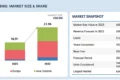
The UK Digital Health Market was valued at USD XX billion in 2026, and is projected to reach USD XX billion by 2030, rising at a CAGR of XX%
Global digital health market valued at $162.1B in 2024, $199.1B in 2025, and set to hit $573.5B by 2030, growing at 23.6% CAGR
Download PDF Brochure: https://www.marketsandmarkets.com/pdfdownloadNew.asp?id=45458752
Driver
The UK digital health market is primarily driven by the National Health Service (NHS) Long Term Plan, which prioritizes digital transformation to alleviate pressure on frontline services and improve patient outcomes. A significant surge in the adoption of telehealth and remote patient monitoring, accelerated by the COVID-19 pandemic, has normalized virtual consultations and home-based care. Technological advancements in artificial intelligence, machine learning, and wearable devices are enabling more personalized and proactive healthcare, particularly for chronic disease management. Government initiatives, such as the 2023 medical technology strategy and increased funding for hospital digitization, further propel market growth. Additionally, the rising elderly population and the increasing prevalence of obesity and chronic conditions create a sustained demand for scalable digital solutions that can deliver care outside traditional clinical settings. High levels of smartphone penetration and growing public digital literacy also facilitate the widespread use of health apps and mobile health (mHealth) platforms across various demographics.
Restraint
Significant restraints in the UK digital health market include stringent and complex regulatory requirements, such as the transition from CE marking to the UKCA (UK Conformity Assessed) mark. Data privacy and cybersecurity concerns remain paramount, especially following high-profile ransomware attacks on NHS trusts, which have led to increased compliance costs and longer procurement cycles. Interoperability gaps within legacy NHS IT infrastructure pose a major hurdle, as fragmented systems often require costly middleware to share data effectively, contributing to technical debt. Financial constraints also play a role; while central funding is allocated for digital transformation, local budget shortfalls sometimes lead to the reallocation of these funds to cover operational deficits. Furthermore, a shortage of specialized IT and analytical talent within the healthcare sector limits the ability of organizations to successfully implement and manage complex digital systems. Finally, digital exclusion remains a challenge, as usage often skews toward younger, more digitally literate cohorts, potentially widening health inequalities for the elderly or marginalized populations.
Opportunity
The integration of AI-driven diagnostics and predictive analytics presents a major opportunity to revolutionize clinical decision-making and streamline administrative workflows. There is significant potential for expansion in “virtual wards,” with NHS England targeting a capacity of 15,000 beds by 2027, which allows for the relocation of monitoring from hospitals to patients’ homes. The shift toward preventative and wellness-focused digital tools, though currently underfunded, offers a vast untapped market for long-term health management. Advancements in genomic medicine and data-driven personalized treatment plans provide opportunities for innovators to partner with the NHS in life sciences research. Additionally, improving interoperability through the adoption of open standards like FHIR can unlock the value of siloed health data, fostering a more connected ecosystem. Small and medium-sized enterprises (SMEs) have the opportunity to fill specialized gaps in the market, particularly in niche areas like mental health software or obesity management, provided they can navigate the procurement landscape. International expansion also remains a viable path for UK-based health tech firms as global demand for scalable digital solutions continues to rise.
Challenges
Navigating the slow and fragmented NHS procurement process remains one of the most significant challenges for new entrants and SMEs, who often lack the resources to manage long sales cycles. Fierce competition from established tech giants and incumbent software vendors can stifle innovation and create high barriers to entry for smaller startups. The high cost of medical and technology specialists places a financial strain on companies trying to scale their operations within the UK. Ensuring consistent clinical buy-in and managing the cultural change required for digital adoption is another hurdle, as clunky systems can lead to clinician burnout or “shadow IT” workarounds. Maintaining data security and public trust is an ongoing struggle, especially as the volume of sensitive health data being processed increases. Furthermore, the need for continuous technological updates to keep pace with emerging innovations leads to market volatility and requires constant reinvestment. Lastly, the lack of clear reimbursement models for many digital health services, particularly mHealth apps, makes it difficult for companies to establish sustainable, recurring revenue streams within the public health system.
Download PDF Brochure: https://www.marketsandmarkets.com/pdfdownloadNew.asp?id=45458752