The United Kingdom healthcare IT market is a rapidly expanding sector centered on the digital transformation of the National Health Service and private healthcare providers through the integration of advanced software, hardware, and services. Driven by government initiatives to modernize health infrastructure, the market emphasizes the adoption of electronic health records, telemedicine, and artificial intelligence to improve clinical efficiency and patient outcomes. Key trends include a shift toward cloud-based solutions and integrated care systems that facilitate seamless data sharing across various medical settings. Challenges such as cybersecurity concerns and the need for interoperability persist, yet the industry continues to attract significant investment as providers seek to address workforce pressures and an aging population through digital innovation.
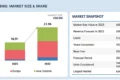
The UK Healthcare IT Market was valued at USD XX billion in 2026, and is projected to reach USD XX billion by 2030, rising at a CAGR of XX%
Global healthcare IT market valued at $420.23B in 2024, $480.49B in 2025, and set to hit $961.26B by 2030, growing at 14.9% CAGR
Download PDF Brochure: https://www.marketsandmarkets.com/pdfdownloadNew.asp?id=252
Driver
The UK healthcare IT market is propelled by the urgent need for digital transformation within the National Health Service (NHS) to address a growing backlog and workforce shortages. Government initiatives, such as the NHS Long Term Plan and the 10 Year Health Plan, emphasize the digitization of services to improve operational efficiency and patient access. A major driver is the rapid adoption of Electronic Health Records (EHRs) and Electronic Patient Records (EPRs), which provide clinicians with immediate access to comprehensive patient histories. Furthermore, the COVID-19 pandemic acted as a catalyst, normalizing the use of telehealth and remote consultation platforms. The rise of “mHealth” and the widespread use of the NHS App, which has over 36 million users, have created a digitally engaged patient base. Technological advancements in AI-driven diagnostics and analytics are also significant drivers, as they offer the potential to automate administrative tasks and provide better decision support for clinicians. Additionally, the shift toward integrated care models requires robust IT infrastructure to ensure seamless data sharing across primary, secondary, and social care sectors, further stimulating market growth.
Restraint
A primary restraint in the UK healthcare IT market is the significant gap in digital maturity across different NHS trusts and care sectors. While some organizations are highly advanced, others still rely heavily on paper-based systems, making large-scale integration difficult. This fragmentation is compounded by the high costs of implementing and maintaining sophisticated IT systems, which can be prohibitive for smaller providers or those facing severe budget constraints. The industry also faces a critical shortage of skilled technology workers and a digitally literate workforce capable of navigating complex new systems. Furthermore, data privacy and cybersecurity remain major concerns; high-profile ransomware attacks and the increasing frequency of data breaches have made healthcare organizations cautious. Compliance with stringent regulations, such as the UK Medical Devices Regulations and data protection standards, adds layers of administrative complexity and cost to procurement cycles. These factors, combined with a historically slow and complex procurement process within the public sector, often deter innovation and delay the realization of benefits from digital investments.
Opportunity
The integration of Artificial Intelligence (AI) and machine learning presents a vast opportunity to revolutionize diagnostics and personalized medicine in the UK. AI-powered tools that scan medical images can spot diseases earlier and more accurately, while predictive analytics can optimize patient flow and staffing models. There is a growing opportunity in the expansion of “hospital-at-home” and virtual ward capacity, which aim to reach 15,000 beds by 2027. This shift drives demand for remote vital monitoring devices and wearable technologies that allow patients to be managed safely in their own homes. Another significant opportunity lies in the development of “multi-omics” platforms that integrate EHRs with genomic and molecular data to enhance disease prevention and therapy. Furthermore, targeting regional markets outside of the saturated London and South East hubs can unlock new growth. Partnerships between big tech firms and specialized SMEs can foster a marketplace of innovation, particularly through the use of cloud-based solutions and blockchain for secure data sharing, ensuring that the UK remains a global leader in health technology.
Challenges
The UK healthcare IT market faces the immediate challenge of navigating a rapidly evolving regulatory landscape, including new licensing and safety standards for medical device software. Adapting to these standards requires substantial investment in training and compliance. Additionally, the “trifecta threat” of a massive elective care backlog, long waiting times, and a diminished workforce puts immense pressure on IT systems to deliver immediate results. Cybersecurity is an escalating challenge, as criminals use AI to launch more sophisticated attacks on interconnected health systems, threatening patient safety and data integrity. There is also the “pilot trap,” where many innovative digital solutions fail to scale beyond initial trials due to a lack of long-term funding or integration into standard clinical workflows. Competition is intensifying among global IT vendors, leading to a crowded market where smaller firms struggle to compete with established giants like Oracle and Epic. Finally, ensuring that digital tools are inclusive and accessible to the elderly or less digitally literate populations remains a persistent hurdle to achieving equitable healthcare outcomes across the country.
Download PDF Brochure: https://www.marketsandmarkets.com/pdfdownloadNew.asp?id=252