The United Kingdom active pharmaceutical ingredient market is a sophisticated and integral segment of the nation’s life sciences sector, focusing on the production of the biologically active components in pharmaceutical drugs. The market is characterized by a strong emphasis on high-quality standards, innovation in chemical synthesis, and a robust regulatory framework that ensures safety and efficacy. Growth is driven by the increasing prevalence of chronic diseases, a rising demand for generic medications, and significant investment in biotechnology and specialized medicine. British manufacturers are increasingly adopting advanced manufacturing technologies and sustainable practices to maintain a competitive edge while supporting the domestic and global supply chains for essential healthcare treatments.
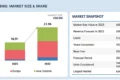
The UK Active Pharmaceutical Ingredient Market was valued at USD XX billion in 2026, and is projected to reach USD XX billion by 2030, rising at a CAGR of XX%
Global active pharmaceutical ingredient market valued at $136.22B in 2024, $144.20B in 2025, and set to hit $198.39B by 2030, growing at 6.6% CAGR
Download PDF Brochure: https://www.marketsandmarkets.com/pdfdownloadNew.asp?id=263
Driver
The UK Active Pharmaceutical Ingredient (API) market is experiencing significant growth, primarily fueled by the rising prevalence of chronic diseases such as diabetes, cardiovascular conditions, and cancer. As the geriatric population expands, the demand for long-term medication increases, necessitating a steady supply of high-quality APIs. A major driver is the surge in research and development investment, particularly in oncology and specialized therapeutics. The UK remains a hub for pharmaceutical innovation, with increasing activities in developing branded and innovative APIs that offer higher therapeutic efficacy. Furthermore, there is a substantial shift toward generic drugs as healthcare administrators seek cost-effective alternatives to branded medicines, especially as major blockbuster drugs lose patent protection. Technological advancements in manufacturing, such as continuous processing and green chemistry, are also enhancing production efficiency and safety. Government initiatives and increased healthcare spending, which rose significantly in recent years, further bolster the market by supporting drug discovery and infrastructure upgrades. The integration of digital health and AI in drug development is also accelerating the timeline for bringing new APIs to market, ensuring the UK remains competitive in the global pharmaceutical landscape.
Restraint
A primary restraint for the UK API market is the high cost and complexity associated with manufacturing and regulatory compliance. Stringent guidelines, such as the FDA’s cGMP and EU-GMP requirements, demand significant investment in specialized facilities, quality control testing, and administrative oversight. The industry also faces a heavy reliance on overseas suppliers, particularly from China and India, for raw materials and intermediate chemicals. This dependency makes the UK vulnerable to global supply chain disruptions, as seen during the COVID-19 pandemic, which led to severe shortages of essential drugs. Geopolitical instability and trade barriers further complicate the movement of goods and increase production expenses. Additionally, the UK market faces high and unpredictable clawback rates on pharmaceutical revenues, which can dampen investor confidence compared to other European nations. The specialized nature of API development means that scaling up production involves long lead times and substantial capital risk. Furthermore, environmental regulations and the need for sustainable manufacturing practices add another layer of operational cost. Competition from low-cost manufacturing hubs abroad also puts pressure on domestic profit margins, leading some local factories to close because they cannot compete with subsidized international prices.
Opportunity
The UK API market has a major opportunity in the development of complex and high-potency APIs (HPAPIs), including peptides, oligonucleotides, and antibody-drug conjugates. As the pharmaceutical industry moves toward precision medicine, there is a growing need for specialized APIs tailored to individual patient needs. Expanding into regenerative medicine and biopharmaceuticals also offers significant potential, as biotech-derived APIs are projected to grow faster than traditional synthetic versions. There is a strategic opportunity for the UK to enhance its domestic manufacturing resilience by reshoring supply chains and reducing reliance on foreign imports. Investment in advanced manufacturing technologies, such as AI-driven process optimization and modular designs, can improve yields and lower long-term costs. Furthermore, the UK’s strong academic and research infrastructure provides a foundation for leadership in “green” chemistry, appealing to a global market that is increasingly focused on sustainability. Collaborations between pharmaceutical companies and contract development and manufacturing organizations (CDMOs) can help bridge the gap between R\&D and commercial scale production. Targeting under-penetrated therapeutic areas and leveraging health data assets for clinical trials also present pathways for diversifying revenue streams and attracting foreign direct investment.
Challenges
The immediate challenge for the UK API industry is navigating a rapidly evolving regulatory landscape and ensuring alignment with international standards post-Brexit. Maintaining the integrity and security of the supply chain remains a constant struggle, as even a single disruption abroad can trigger local medicine shortages. The recruitment and retention of a highly skilled technical workforce is also a significant hurdle, as specialized expertise is required for complex API synthesis and quality assurance. Economic pressures, including inflation and rising energy costs, have increased operational overheads for independent and large-scale manufacturers alike. Competition is intensifying as global players adopt aggressive pricing strategies, potentially leading to a “race to the bottom” that compromises quality. Additionally, many manufacturers still rely on legacy IT systems that are not fully interoperable, hindering the transition to a fully digitized and resilient supply chain. Cybersecurity risks, such as ransomware and data breaches, pose threats to operational continuity and data integrity. Finally, balancing the need for rapid innovation with the long timelines required for clinical trials and regulatory approval remains a difficult task for many firms looking to maintain their market position.
Download PDF Brochure: https://www.marketsandmarkets.com/pdfdownloadNew.asp?id=263