The United Kingdom eClinical solutions market is a sophisticated landscape driven by the necessity to modernize clinical trial operations through digital transformation and cloud-based integration. This sector is characterized by a strong emphasis on technological advancements, including the adoption of artificial intelligence and real-time data analytics to enhance trial efficiency and data integrity. The market benefits from a robust healthcare infrastructure, significant research and development investments, and a favorable regulatory environment that supports the transition toward decentralized and hybrid clinical trial models. Key trends include the seamless integration of platforms with electronic health records and an increasing reliance on software-as-a-service models to streamline complex multi-country studies while ensuring strict compliance with data governance standards.
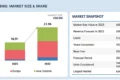
The UK eClinical Solutions Market was valued at USD XX billion in 2026, and is projected to reach USD XX billion by 2030, rising at a CAGR of XX%
Global eclinical solutions market valued at USD 11.62B in 2024, reached USD 13.18B in 2025, and is projected to grow at a robust 13.9% CAGR, hitting USD 25.22B by 2030.
Download PDF Brochure: https://www.marketsandmarkets.com/pdfdownloadNew.asp?id=553
Driver
The UK eClinical solutions market is experiencing significant growth, primarily fueled by the increasing complexity of clinical trials and the urgent need for digital transformation within the pharmaceutical and biotechnology sectors. A major driver is the rapid adoption of decentralized clinical trials (DCTs), which rely heavily on integrated digital platforms to facilitate remote patient monitoring and virtual consultations. The integration of Artificial Intelligence (AI) and machine learning into eClinical platforms is another pivotal driver, as these technologies enable predictive analytics, automated data cleaning, and more efficient patient recruitment processes. Furthermore, the UK’s robust life sciences ecosystem, supported by government initiatives to streamline clinical research, encourages the adoption of advanced Electronic Data Capture (EDC) and Clinical Trial Management Systems (CTMS). The shift toward patient-centric trial designs, which prioritize ease of participation through mobile health (mHealth) tools and electronic Clinical Outcome Assessments (eCOA), is compelling sponsors and Contract Research Organizations (CROs) to invest in comprehensive eClinical suites. Additionally, the need to reduce the time and cost associated with drug development in a competitive global market is pushing UK researchers to replace fragmented manual processes with unified, cloud-based digital trial ecosystems that ensure real-time data visibility and improved decision-making.
Restraint
Despite the positive growth trajectory, several restraints challenge the widespread adoption of eClinical solutions in the UK. One of the most significant hurdles is the high initial cost of implementation and the ongoing maintenance of sophisticated digital platforms. Small to medium-sized enterprises (SMEs) and academic research institutions often face budget constraints that limit their ability to invest in high-end, integrated eClinical suites. Another major restraint is the concern surrounding data privacy and security. With the increasing volume of sensitive patient data being captured and stored digitally, ensuring compliance with stringent regulations like the UK GDPR is paramount; any perceived vulnerability can lead to hesitation among sponsors. Furthermore, the industry faces a technical barrier related to the lack of standardization across different eClinical platforms. This fragmentation often leads to interoperability issues, making it difficult to integrate new software with existing legacy systems. Additionally, there is a degree of resistance to change among traditional clinical researchers who may be accustomed to paper-based or hybrid workflows. The requirement for specialized training to operate complex AI-driven tools can also create a talent gap, as the demand for professionals with both clinical expertise and high-level digital literacy currently exceeds the available supply, potentially slowing down the transition to fully digital trial models.
Opportunity
The UK eClinical solutions market is ripe with opportunities, particularly in the realm of personalized medicine and real-world evidence (RWE) integration. As clinical trials move toward more targeted therapies, there is a growing opportunity for eClinical providers to develop specialized modules that can handle complex genomic data and longitudinal patient tracking. The expansion of the “Internet of Medical Things” (IoMT) offers a strategic opportunity to integrate wearable devices directly into eClinical ecosystems, allowing for continuous, objective data collection that was previously impossible. There is also significant potential in the development of AI-powered “smart” recruitment tools that can scan electronic health records (EHRs) across the NHS to identify eligible participants more accurately and quickly. Furthermore, the rising trend of “green” clinical trials—aimed at reducing the environmental footprint of research through reduced travel and paper waste—positions digital solutions as an essential component of sustainable corporate strategies. Regional expansion also presents an opportunity; while much of the research activity is concentrated in the “Golden Triangle,” promoting digital trial infrastructure in northern clinical hubs can tap into diverse patient populations and underutilized research capacity. Finally, providing scalable, pay-as-you-go cloud models can open the market to a broader range of smaller biotech firms that were previously priced out of the eClinical space.
Challenges
Navigating the evolving regulatory landscape remains a primary challenge for the UK eClinical solutions market. While bodies like the MHRA are supportive of innovation, keeping pace with new guidelines for AI validation and decentralized trial methodologies requires constant vigilance and significant administrative investment. Competition within the market is also intensifying, with global tech giants and niche startups vying for market share, leading to a crowded environment where standing out requires continuous innovation and high levels of customer support. The technical challenge of ensuring seamless data integration between disparate systems—such as EDC, CTMS, and lab information management systems (LIMS)—remains a persistent pain point for many organizations. Furthermore, maintaining patient engagement in a digital-first environment is a unique challenge; if interfaces are not user-friendly or if patients feel a lack of human connection, retention rates can suffer, potentially compromising trial results. There is also the ongoing pressure of managing rising operational costs while clients demand more competitive pricing and faster delivery timelines. Lastly, the global nature of clinical trials means that UK-based solutions must maintain compatibility with international standards and diverse regulatory requirements, adding a layer of complexity to software development and data hosting strategies for providers operating in a globalized research environment.
Download PDF Brochure: https://www.marketsandmarkets.com/pdfdownloadNew.asp?id=553